Sponsor

Film

Explore Madison’s art-house screenings and the adventurous corners of local cinema.
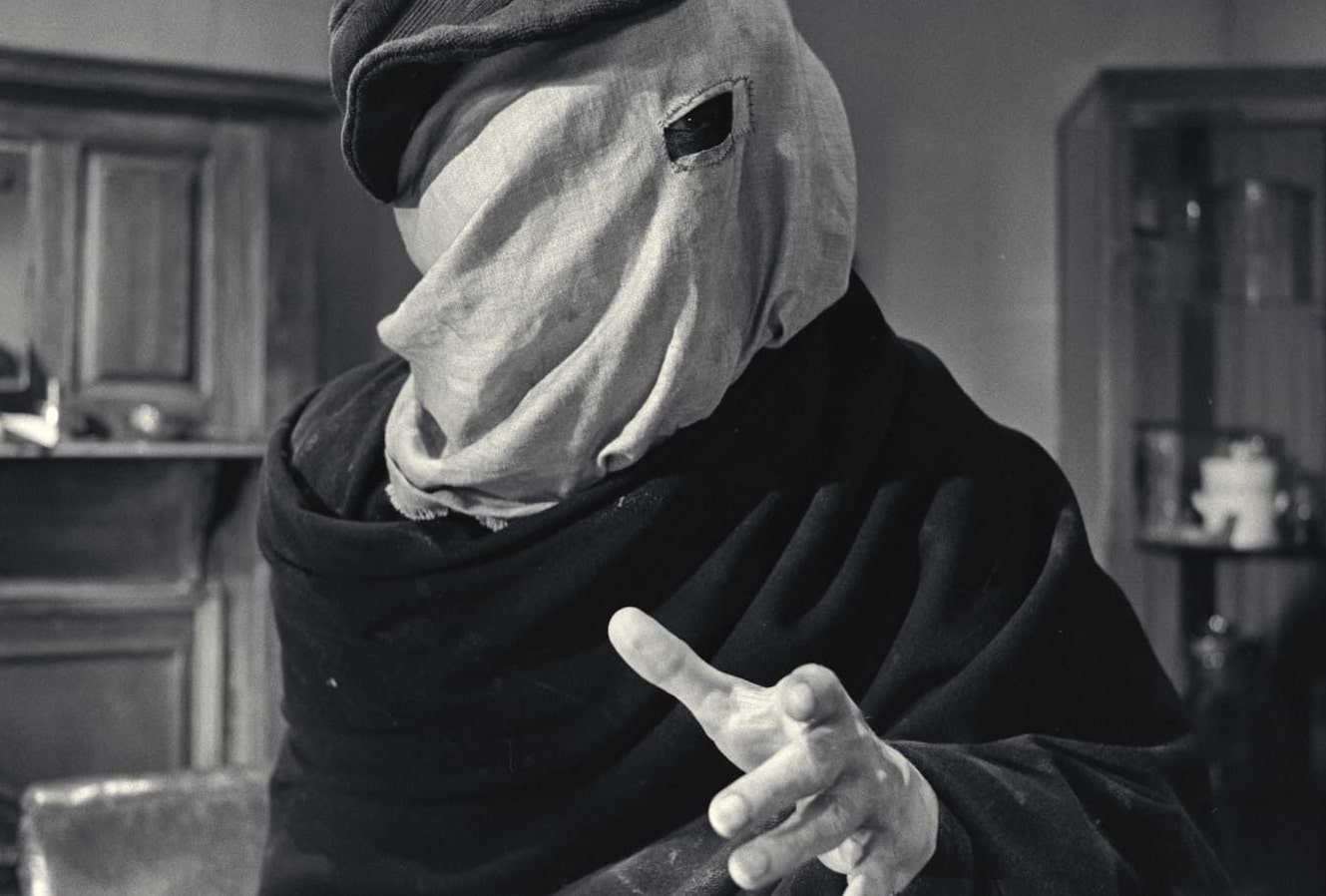
A black and white still image from the 1980 film, "The Elephant Man" shows a male figure standing in an office room. He is shrouded in dark garments and a lighter cloth that covers his entire head. A small eyehole section is cut from the lighter cloth to reveal his left eye. His left hand gestures forward.

“The Elephant Man” imbues a transcendent portrait of a tortured outsider with deep compassion

David Lynch's haunting sophomore feature kicks off the summer season at UW Cinematheque on June 25.
Sponsor
Latest in Film
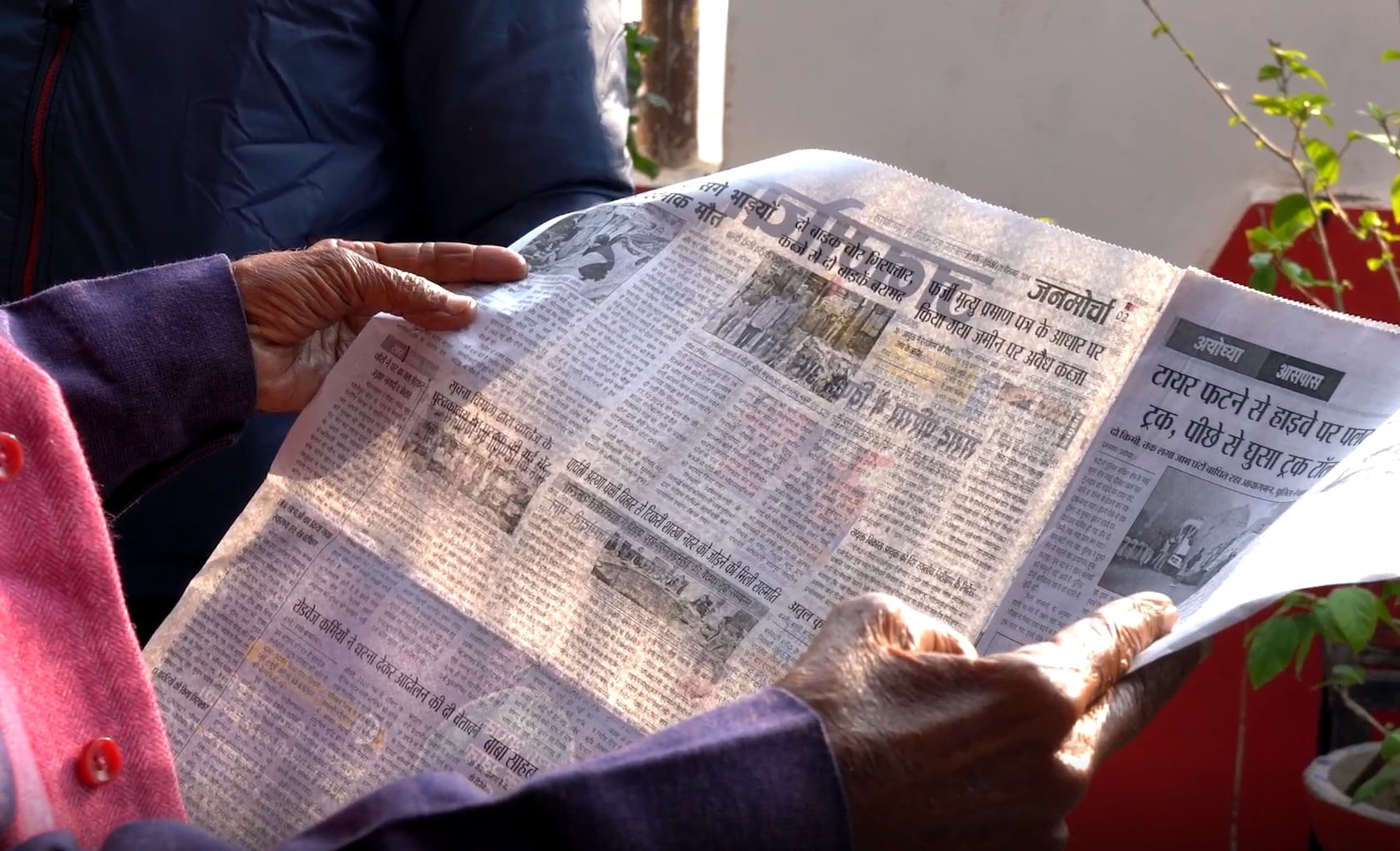
An Indian person's hands are shown at a close-up holding open a printed copy of a newspaper. Sunlight makes parts of the newsprint transparent, blurring the Hindi text on the cover page and second page that are printed on opposite sides.
“Sheetla” bears the weight of familial history as tethered to cultural destruction

Multidisciplinary artist Anamika Singh's short documentary on leftist Indian newspaper Jan Morcha screens twice at the Chazen in June alongside her multimedia gallery exhibition "Corpus."

A still from the political documentary "No Other Land" shows two men sitting outside in the foreground. They wear jackets and turn towards one another with tentative expressions. White structures behind them extend into the hills in the distance along with trees and a bright white sky.
“No Other Land” centers the resilience of Palestinians living under Israeli occupation

The urgent documentary by a Palestinian-Israeli collective sees its belated Madison premiere at the Bartell on May 25.

A photo captures a dimly lit movie theater from the point of view of someone sitting near the middle row. The large white projection screen is blank, but parenthetical black text had been added digitally that reads "(anxious writer expounds upon attachment to accessibility feature)." A row of 10 red seats directly in front of the screen are empty.
Worlds hidden in (captions)

Recognizing the expressive translation endeavors of film subtitlers.

A black-and-white still from the 1930s propaganda film "Reefer Madness" shows a living room set with seven young people partying. Four of them are dancing in the foreground in the center and right part of the frame. Notably, the leftmost woman is leaning back and throwing her arms in the air in a silly, almost-victorious gesture. Three people sit behind them in chairs, staring on with smiles on their faces.
Take in the hysterically half-baked cult classic, “Reefer Madness”

"Schlock and Awe" presents a free screening of the 1930s propaganda film with live comedic commentary at the Crucible on May 15.

At a medium shot, three people sit in a conference room in a triangular-like formation at a large tan table. Two of them, sitting at the left and center, are turned towards the host, who sits at the right. They all have paper notes in front of them. The table consumes the entire foreground of the frame.
Video: Talking 2025 Wisconsin Film Festival with Josiah Wampfler

A collaborative episode with OCA Media after recovering from festival fatigue in the wake of the 27th annual event, which was held from April 3 through 10.

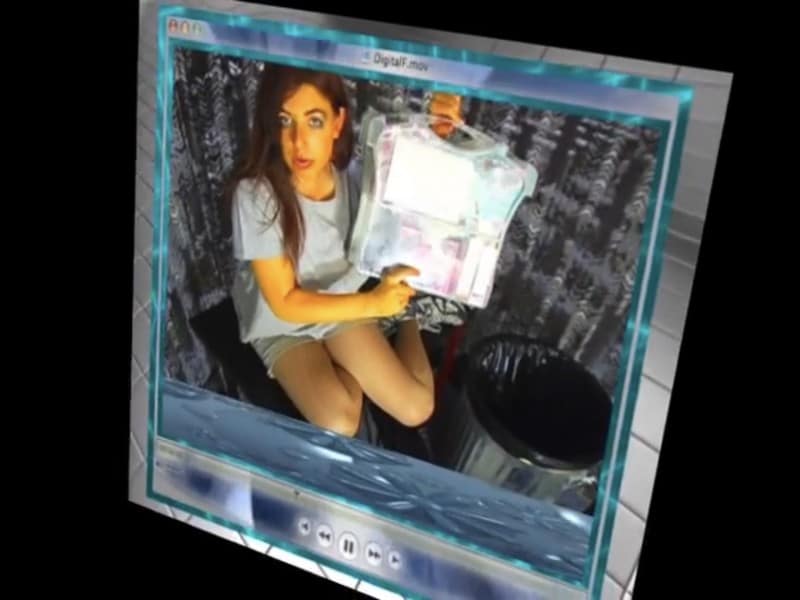
Superimposed images create a psychedelic effect in a still from "Honky Tonk Angels." In the foreground, a glass-bead necklace is threaded with plastic cowboy boots. The necklace is laying flat on a surface with an ambiguous print pattern with one of the boots nearly centered in the frame. A night sky-like pattern spinning in mid-motion is overlaid on top.
The garish glamor of “Honky Tonk Angels”

Meggen Heuss' "dessert project"—a video accompaniment for a Westley Heine poem—premieres at Project Projection at Arts + Literature Laboratory on April 30.

Slightly blurry and superimposed footage shows a crowd of masked protestors marching outside. Many of them are holding signs that speak to "Black Lives Matter" and against police brutality. The edges of the frame on the left and right sides have red/pink/black color flare aberrations from celluloid processing.
The dense digital palettes of “Body Prop” confront the horrific normalization of violence in America

M. Woods' experimental collage essay film screens as part of Mills Folly Microcinema on April 23 at Arts + Literature Laboratory.

An aging man in slightly weathered 18th century clothing sits in a chair in an asylum hallway. He raises both his arms up in a pleading gesture and facial expression.
“Amadeus” understands the artist’s allure better than a traditional biopic

Miloš Forman's fantastical 1984 period drama screens on 35mm at UW Cinematheque on April 18.

In the foreground of an image in a forested area, a woman in a white lab suit lays on the grass in the fetal position. Behind her, yellow tape that faintly reads "crime scene do not enter" is wrapped in a semi-triangular shape around a cluster of trees.
Mortal and moral inquiries at the 2025 Wisconsin Film Festival

Our writers ponder four incisive, formidable documentaries (and essay films) screening as part of the fest from April 4 through 10.