
Oral History: In 1981, I had just turned 17 and begun my senior year of high school
“It bothers me when people who are opposed to abortion glibly dismiss elective abortion as selfish and for convenience.”
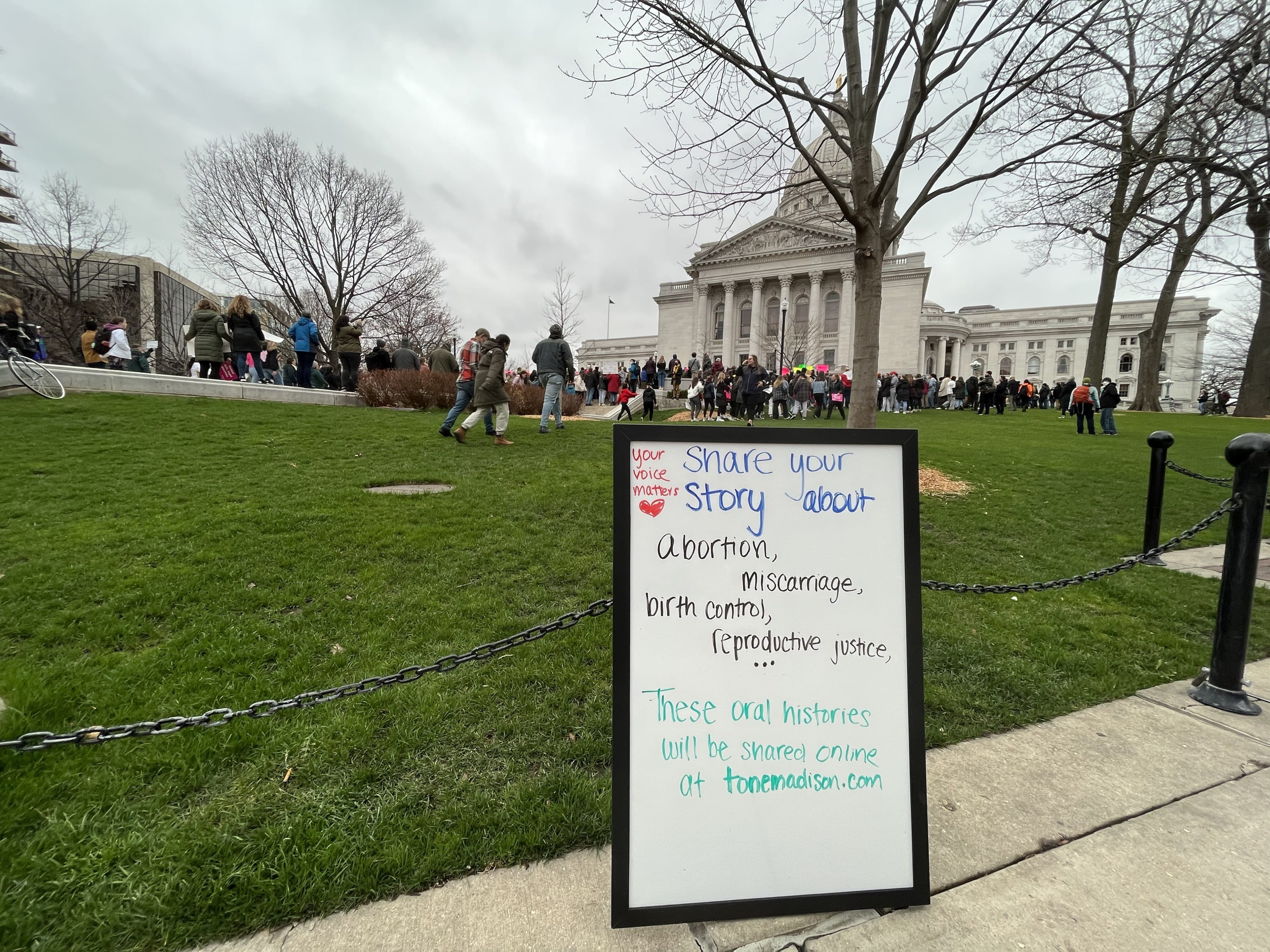
Tone Madison is publishing oral histories related to abortion, miscarriage, birth control and reproductive health from people in the Madison area. Read more about this project and find information about sharing your story. We are also publishing brief messages of support for storytellers.
We ask that these stories are not reprinted in other outlets.
Below is a verbatim account from anonymous:
In 1981, I had just turned 17 and begun my senior year of high school. I had a boyfriend over the summer before who had graduated and went to college. It was a horrible relationship—I had horrible judgement when it came to guys. Also, I had pretty significant social issues—I really didn’t have friends and had trouble relating to people. I was miserable and easily led. My home life was not good. My mom has histrionic personality disorder and had me when she was 16; she married my father, a bully whose priority was his bar time. They were miserable and young—so wrapped up in their own issues and not capable of parenting. My parents had mercifully divorced when I was 10. My mom was having significant financial issues when I was in high school and there was rarely food in the house. She paid little attention to me, other than to worry about people thinking she was a bad mother if I did something wrong.
I was on birth control pills but stupidly stopped without consulting the clinic because it made me break out in acne. I ended up pregnant. I told my mom and boyfriend and he told his parents and all (including me) were in agreement that an abortion was for the best. My mom accompanied me to the clinic. There was no way I was emotionally/psychologically capable of raising a baby, and the father ended up developing severe mental health issues that began about a year after this. I couldn’t imagine raising a baby in my home situation. The idea of adoption wasn’t discussed—it was terrifying to me—the shame of it was terrifying. The next summer before I went to college, a girl from my class came into the fast food restaurant I was working in and a co-worker said, “Maria just had a baby.” And I asked, “Where is the baby?” and was told she gave the baby up for adoption. I didn’t feel any shame for her—I felt compassion and admiration. If I have any regrets it is that I didn’t consider that option more. If I’d had the emotional capacity to go through with that, maybe other things would have been different too.
It bothers me when people who are opposed to abortion glibly dismiss elective abortion as selfish and for convenience. It is so personal and blanket opposition to it insults that very personal and real experience of having an abortion.
We can publish more
“only on Tone Madison” stories —
but only with your support.
Author
Related Articles

Oral History: I’m a 40-year-old female single mother of three children
“I felt as though I had only one choice at this point and it was to end my third pregnancy.”
Oral History: Last year I was in a sexually abusive relationship
“It’s still really difficult, especially seeing so many people be pro-life, because I just couldn’t imagine if I had to bear that child.”

Oral History: I am a 46-year-old mother of adult children in Madison, Wisconsin, who found out I was five weeks pregnant last week
“I don’t understand how at my age it can be somebody else’s decision what is right for me and my family.”