
Oral History: In 2017, I needed to have abdominal surgery
“I was so humiliated to have my husband come to my pre-op appointment just to sign a permission slip for me to longer be able to become pregnant.”
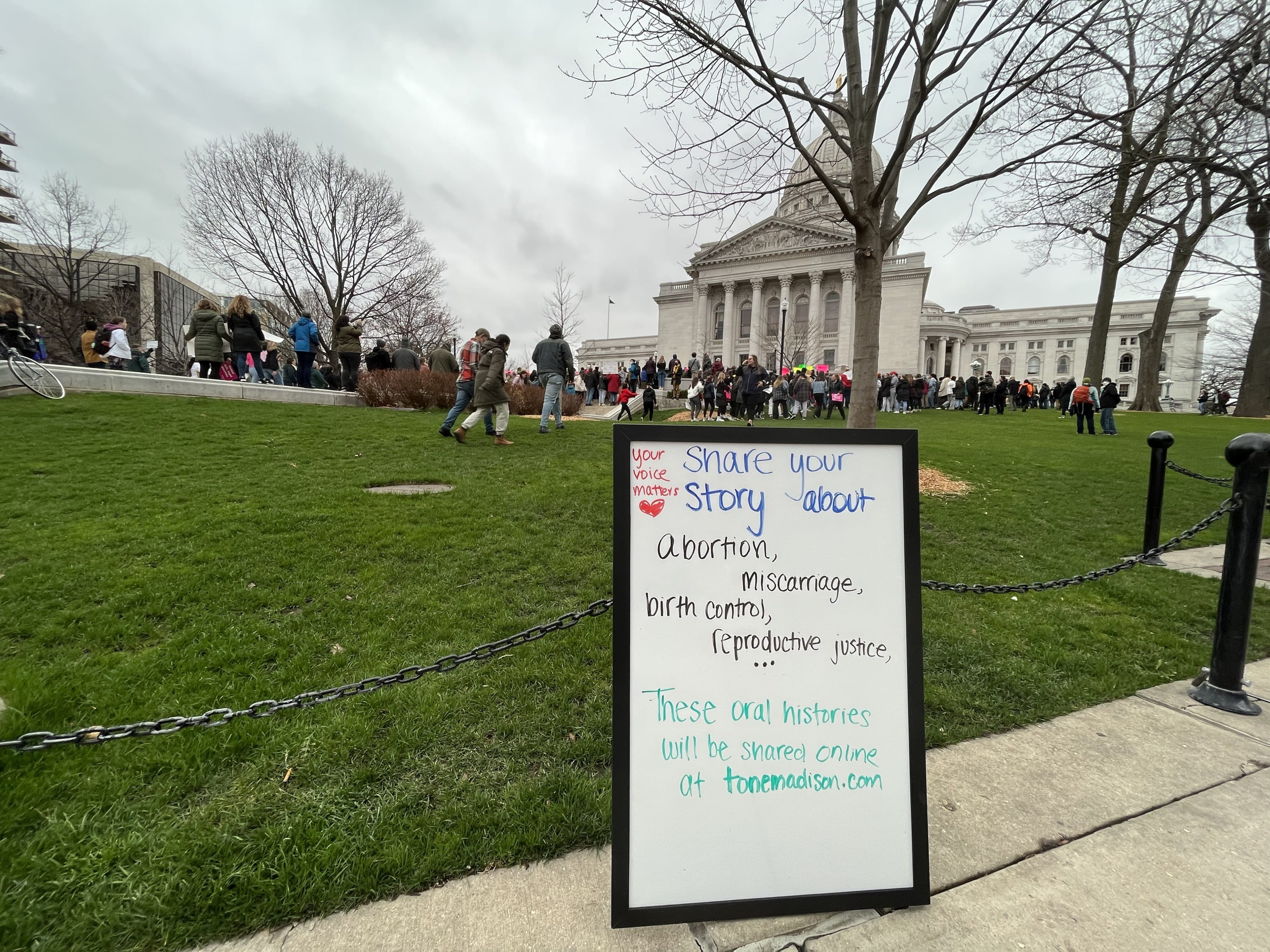
Tone Madison is publishing oral histories related to abortion, miscarriage, birth control, and reproductive health from people in the Madison area. Read more about this project and find information about sharing your story. We are also publishing brief messages of support for storytellers.
We ask that these stories are not reprinted in other outlets.
Below is a verbatim account from Lori:
In 2017, I needed to have abdominal surgery. I requested that my surgeon would also remove my fallopian tubes so I would no longer need to take birth control. Because I am married the hospital required my husband to sign approval for the additional procedure. I was so humiliated to have my husband come to my pre-op appointment just to sign a permission slip for me to longer be able to become pregnant. I asked the nurse if my husband would have needed my signature to have a vasectomy and was told no.
We can publish more
“only on Tone Madison” stories —
but only with your support.
Author
Related Articles

Oral History: I’m a 40-year-old female single mother of three children
“I felt as though I had only one choice at this point and it was to end my third pregnancy.”

Oral History: Last year I was in a sexually abusive relationship
“It’s still really difficult, especially seeing so many people be pro-life, because I just couldn’t imagine if I had to bear that child.”

Oral History: I am a 46-year-old mother of adult children in Madison, Wisconsin, who found out I was five weeks pregnant last week
“I don’t understand how at my age it can be somebody else’s decision what is right for me and my family.”