
Starter homes? No, we need starter apartments
As homeownership continues to be out of reach for too many Madisonians, we should build more owner-occupied, multi-family housing.

This is our newsletter-first column, Microtones. It runs on the site on Fridays, but you can get it in your inbox on Thursdays by signing up for our email newsletter.
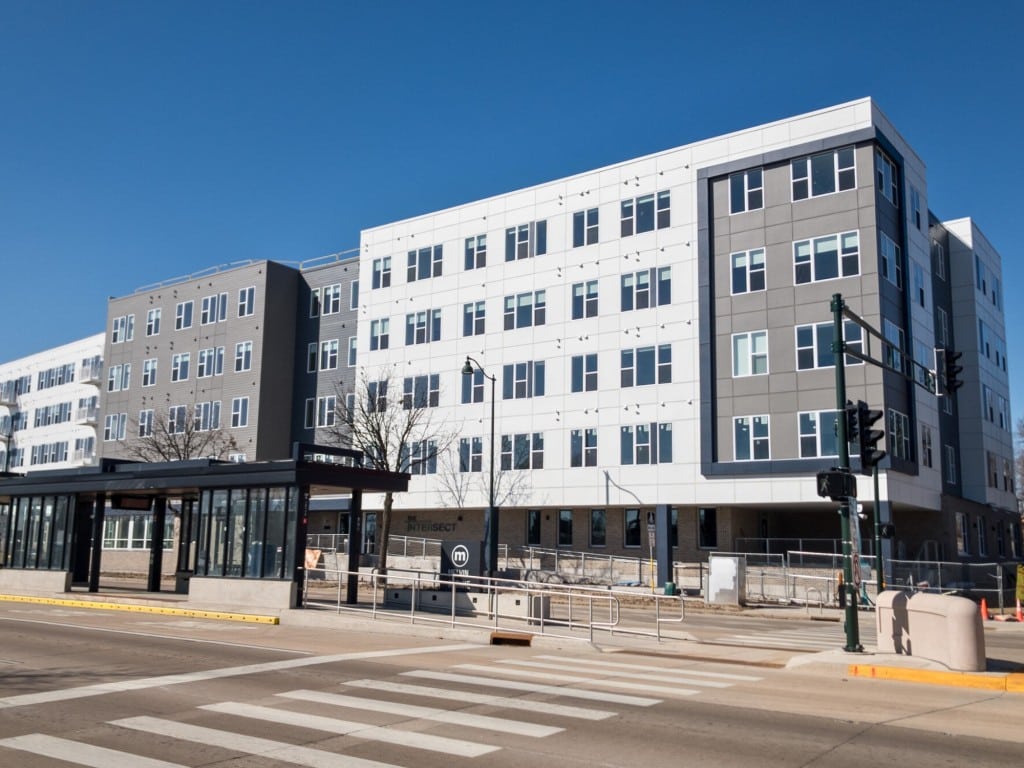
Anyone with eyes has noticed Madison’s apartment-building bonanza. The City’s 2025 Housing Snapshot shows that in 2024, 3,040 housing units were completed, the second-highest number in the past decade. That year also saw the largest proportion of new units in buildings with 100 or more units. As a sign that things are moving in the right direction, the new estimated vacancy rate is 4.8%. A “healthy” vacancy rate is 5% to 7%, so we’re not there yet, but we’re getting close. And we may get there sooner rather than later—vacancy rates do not include new buildings until at least 90% of their units are leased out. Once some of the newly-completed multi-family buildings are included, we’ll have a better idea what the vacancy rate truly looks like.
While vacancies in the rental market have grown, the vacancy rate in the homeownership market is only 0.6%, and has been since 2021. All the ownership data in the Housing Snapshot paints a picture of an extremely tight market for homeownership: homes average 42 days on the market; buyers on average make offers higher than the listed price; and, with no new listings, all homes listed would be closed within two months.
And those are the obstacles for people who can afford a house in Madison. With an average price of $418,000, most people who want to buy houses are priced out. That also means owners of affordable homes who may want to sell, are not going to. Where would they go? Madison’s overpriced, oversaturated rental market?
With ever-diminishing parcels of land in the City limits and continually growing costs for building, Madison needs to shift from multi-family rental units, to owner-occupied. More owner-occupied apartments or condos would allow more people to right-size their housing to fit their budgets and needs.
Most of Madison’s rental units are affordable for households earning between 30 and 80% of the Area Median Income (AMI). In real dollars, that’s $27,270 for a one-person household and $38,940 for a four-person household at the low end. At the high end, that’s $70,000 for one person and $103,000 for four. That’s not to say people in that range are not overpaying or cost-burdened when it comes to housing, but that the bulk of Madison’s housing is considered affordable (costing less than 30% of their income) for those brackets.
However, those households have to compete with the underserved income brackets above and below their own. The most urgent need is for low-income housing to serve households earning under 30% AMI. The City estimates there are 5,190 units affordable for the 16,420 households in that income bracket. This does not take into account people “doubling up” with roommates or family, who would prefer to live in their own unit.
There is a housing gap at the high end of the income spectrum as well. The City notes that “a household making $160,000 per year can technically afford to spend $4,000/month for housing, but few choose to do so.” Well, yes. Even if someone can afford to pay $48,000 a year for housing, anyone with two brain cells is going to want ownership and equity with that. In other words, most people in a higher income bracket are only going to pay so much money to rent. What they need is the opportunity to buy. Those opportunities, however, are few and far between.
While Madison is certainly a sellers market, not all homeowners are sitting pretty. Significantly more renters are cost-burdened, but thousands of homeowners are also cost-burdened by their housing. And what should other homeowners do who have too much housing for their needs, such as retirees who are living on a fixed income? In theory they could downsize, but to what? The median home value in this city is over $400K. And who in their right mind is going to sell their home and willingly enter this rental market?
So, to reiterate: high-income households are competing with median-income households for rentals, because not enough homes are available to buy. And median-income families are blocked from buying a home because of inflated home prices. Homeowners who may want to sell are not going to without an affordable, stable alternative to their current home—so, not the rental market. Finally, we have limited space for building and building costs are high. The dream of the inexpensive starter home is not compatible with our economic reality, but a starter apartment under $200,000? That’s more realistic.
To make this work, Madison will need to rethink the apartment market: who these units are for and what purpose they serve in the larger housing ecosystem. Culturally, places like Madison assume apartments are meant for temporary housing, not for long-term ownership or even growing a family. As a result, apartments are built as temporary housing, a square box that people can endure for a few years. The assumption is that the occupant will save up to one day buy a single-family home. Apartments are built as a means to an end, not a home in itself.
Owner-occupied multi-family housing could provide median-income families with the stability they do not have with rentals, and cannot afford with single-family homes. Affordable apartments or condos would allow a lot of households to leave the rental market, which would hopefully cool off those prices as well. They could also provide a place for seniors who cannot manage their homes (and property taxes) but also don’t want to rent. That would free up more single-family homes for renters to buy.
The key problem with Madison’s rental and owner-occupied housing markets is the lack of options, which inhibits people’s movement to housing that best fits their needs. Building affordable owner-occupied apartments or condos would provide another option—one that I think a lot of people would take advantage of and positively affect the housing market as a whole.
Who has power in Madison,
and what are they doing with it?
Help us create fiercely independent politics coverage that tracks power and policy.
Author

Related Articles
Police surveillance technology needs proper accountability
Grassroots resistance against Flock cameras are writing the blueprint for comprehensive reform.
Don’t shrink the Common Council and County Board
Madison needs more representation, not less.
Madison needs a wake-up call
The longer we pretend this City is a progressive haven, the more people will be harmed.