
Ja’Tovia Gary’s films earnestly confront Black identity in an overly saturated, visually contradictory culture
The multimedia artist’s avant-garde essays, “The Giverny Document” and “Quiet As It’s Kept,” screen at Arts + Literature Laboratory on May 22.
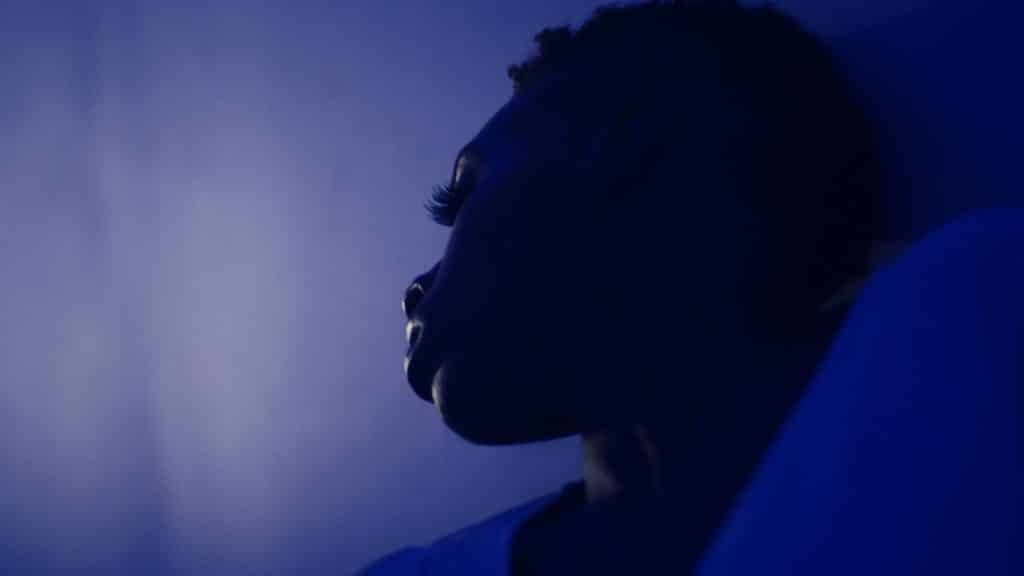
The multimedia artist’s avant-garde essays, “The Giverny Document” and “Quiet As It’s Kept,” screen at Arts + Literature Laboratory on May 22.
“Do you feel safe in your body?” Brooklyn-based multimedia artist Ja’Tovia Gary poses this pensive question to about a dozen Black women over the course of her avant-garde tour de force The Giverny Document (2019). It elicits a range of responses, but most answers fall into two broad categories. If the women do feel safe, it’s usually due to their own capabilities and the support they receive from those around them (or God) when out in the world; and if not, it’s because the world is an inherently unsafe place, particularly for Black women.
This duality of the self as both divinely individual and externally constructed is present within all of Gary’s work, particularly her two longer short films The Giverny Document and Quiet as It’s Kept (2023). They’re both part of a 67-minute Mills Folly Microcinema program at Arts + Literature Laboratory on Wednesday, May 22, at 7 p.m.
If the avant-garde could be said to incorporate conventional genre signifiers, Gary is a deft genre-masher, mixing street interviews with found-footage material, glitch-kissed original footage, and flourishes of painted-celluloid animation. Between YouTube videos taken at sites of police violence and publicly available clips of Black Panther Fred Hampton, Gary reflects the plurality and subjectivity of the self in her mixed materials. This is especially the case in Giverny, the longer of the two films (at 41 minutes), which expands her New York-localized interview footage to consider the legacy of French colonialism in Haiti and its connection to the broader African diaspora.
Where the scope of Giverny nearly overwhelms the power of its individual observations, Quiet as It’s Kept provides a stronger structure for Gary to work with by exploring the worlds of meaning in Toni Morrison’s 1970 novel, The Bluest Eye. Dr. Kokahvah Zauditu-Selassie, a Morrison scholar, provides most of the film’s explicit text in her on-screen discussion, crystalizing its themes of society’s anti-Blackness and its effect on Black peoples’ psyches. The “doubleness” this engenders, she says, “is a way to remind you that you walk in this world, but you’re not of this world.”
The duality also extends to most found-footage material Gary uses, where subjects confront themselves both within and outside of the value society has placed on them. Some examples are funny, like the incisive montage in Quiet that shows the way racial jealousy has inverted since the time of Morrison’s novel via TikToks and Instagram reels of white people speaking in increasingly exaggerated AAVE. But the material Gary has collected from revered artists more clearly illustrates the schism of performance labor touched on in Morrison’s novel. Morrison delivering her own patient explanations of her work to an interviewer seems like a subtler echo of Nina Simone’s dignified struggle onstage at Montreaux in 1976, excerpted at length in Giverny.
To this end, some key images in both films feature Gary herself as both subject and artist. She asks questions of her subjects on camera but appears separately, too, as a host of inquiry for her film’s searching considerations. In one section of interview footage in Quiet, Morrison states that she wrote The Bluest Eye due to her own need to read such a book; one gets the feeling Gary made these films with the same prerogative, as a means of organizing the noise in a world oversaturated with visual culture and evermore conflicting narratives about the value of a life. These films may not provide easy answers, but they suggest the process itself could be the answer. All you can hope to do is outline each contradiction.
We can publish more
“only on Tone Madison” stories —
but only with your support.
Author
Related Articles
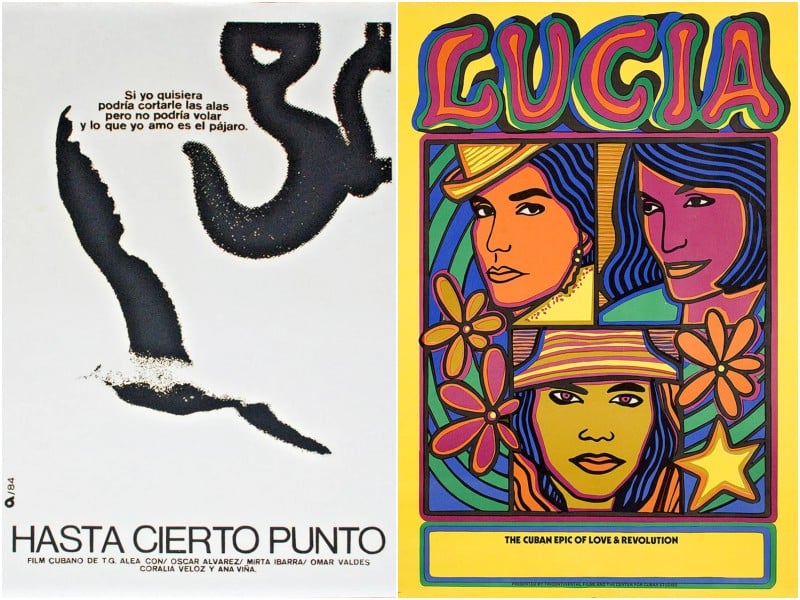
The Cardinal Bar’s Cuban film series invites local support for Madison sister city
Cine Cubano bridges interest in Cuban cinema with the cultural exchange and aid mission of the Madison-Camagüey Sister City Association.
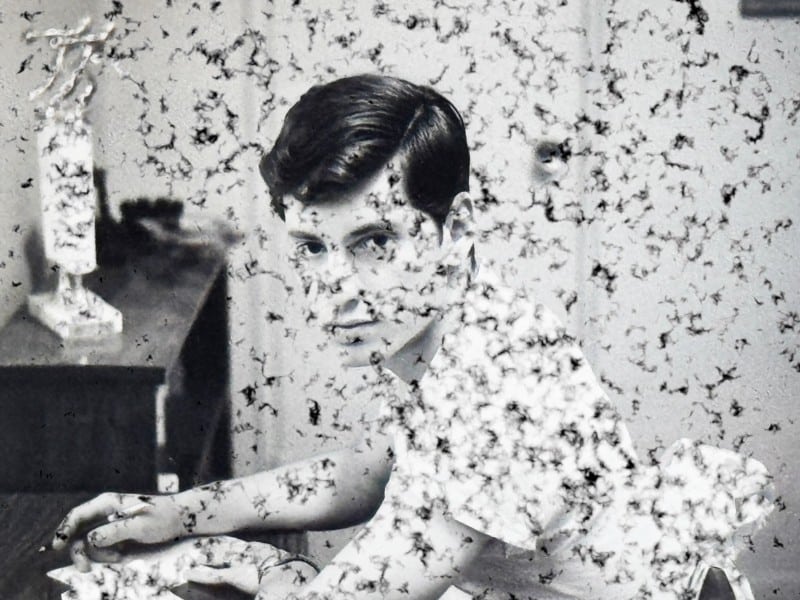
Three video artists tap into personal histories in the 150 Artists x 150 Years exhibition
Chele Isaac, Toby Kaufmann-Buhler, and Aaron Granat reveal the creative depths of their works, which are on display through February 28 at Central Library.
Video: Sizing up local screening events and prominent performances of 2025
A chat with Josiah Wampfler at OCA Media about our favorite movie-going experiences and acting roles of last year.