
The Cardinal Bar’s Cuban film series invites local support for Madison sister city
Cine Cubano bridges interest in Cuban cinema with the cultural exchange and aid mission of the Madison-Camagüey Sister City Association.
Despite being over a thousand miles away from Cuba, the Madison community has developed a direct line of intercultural dialogue with the neighboring nation.
One of the strongest connections between the isthmus and the island stems from a decades-long sister-city relationship with Camagüey. Cultural exchange trips to the city, located on the east-central region of Cuba, have opened a channel for community members to strengthen this partnership through the Madison-Camagüey Sister City Association (MCSCA).
That tradition of cultural exchange is now being displayed on the screen at The Cardinal Bar (418 East Wilson Street) through Cine Cubano, a new film series organized by local film enthusiast Victoria Gutierrez, with the support of the MCSCA.
“Film has been a pivotal way for me to learn about Cuba,” says Gutierrez on why she wanted to introduce these films to a local audience. She anticipates that Cine Cubano will become a monthly series to showcase popular and historic Cuban films.
The series debuted on February 8, 2026, with a double feature that included the comedy Guantanamera (1995), which stars Mirtha Ibarra, one of the most prominent stars in Cuban cinema. (Her director and spouse, Tomás Gutiérrez Alea, is colloquially known as “Titón,” a titan of Cuban film.) This ’90s classic was followed by Juan De Los Muertos (2011), a take on Shaun Of The Dead (2004), and one of the first action films produced in the Cuban film industry in collaboration with a Spanish studio.
The screenings welcome anyone interested in Cuba’s film tradition to directly support the MCSCA’s initiatives at The Cardinal Bar, a space with a historic connection to the sister city.
“Over the years it really turned into… a major hub, you know, kind of for me growing up here in Madison for community events and a community space,” says Gutierrez. “And so, it was like it had to be at The Cardinal Bar, just the legacy with Cuba and the connection.”
Ricardo Gonzalez, a Camagüey-born local leader and advocate for the Latine community in Madison, originally opened The Cardinal Bar in 1974. The following year, Mayor Paul Soglin established one of the first direct connections between the City of Madison and Cuba after a historic visit, making Gonzalez one of the first U.S. officials to reengage the island since the severance of diplomatic ties in 1961.
“Engagement is the way to go with Cuba,” says Gonzalez.
Gonzalez began taking trips to the island with small groups in the late 1970s. Eventually, the travel agency arranging some of these trips offered him the opportunity to lead tours in Cuba for U.S. visitors. He continued this direct intercultural engagement in Wisconsin through support initiatives that responded to the mass exodus of refugees to the state following the Mariel Boatlift in the 1980s.
Following a dedicated period of support for refugees, Gonzalez did not return to Cuba until after his election to the Madison Common Council in 1989. In 1994, he joined a delegation of Cuban-Americans involved with the Cuban Committee for Democracy (CCD) for a conference in Havana.
“The conference was called by the Cuban government… I had joined a new group of progressive Cuban-Americans who were interested in working toward a peaceful democratic transition in Cuba,” says Gonzalez. Following the delegation visit, he returned to Madison with a proposal to establish the MCSCA.
“I was more and more involved with progressive groups in Madison. So I had a community here that had also developed an interest in Cuba. When I came back and proposed the sister-city relationship, I had a whole community of people,” Gonzalez says.
According to the City of Madison’s Resolution 44907, which passed in 1998, the city supports the transnational efforts of sister-city relationships “in the belief that person-to-person ties are the strongest, and to work for peace and better understanding of all cultures.” The Madison-Camagüey sister-city relationship was signed and established on March 8, 1999, officializing a commitment to cultural exchange developed through the efforts of the MCSCA’s volunteers.
During a time when the U.S. is suffocating a sovereign nation through a fuel blockade and pressuring allies to stand by or face the consequences, the person-to-person bonds established through cultural dialogue and exchange—and fostered by the MCSCA—uphold a commitment to an open line of communication between the people of these nations.
“My group, Golpe Tierra, which was kind of an Afro-Peruvian Jazz Ensemble, played there very frequently,” says President of the MCSCA Board Nick Moran, describing how Gonzalez first approached collaboration on music-based visits to Camagüey through the association.
“We ended up doing other kinds of what we were calling ‘cultural exchange trips,’ where we were bringing musicians, artists, and people from the community interested in just visiting Cuba along in groups and doing these types of concerts and live performances.” says Moran.
Along with cultural connections and an array of musical talent, many of the volunteers also carried material aid to provide for the Camagüey community. “…We'[d] bring an extra suitcase of these types of supplies that we can give directly to the people,” he adds.
Suitcases full of surplus musical equipment and medical supplies represent just one of the ways that the MCSCA facilitates access to resources in this community. The aid aspect of the association’s mission doesn’t stop at individual suitcases of supplies; the MCSCA also helps fundraise efforts of the Wisconsin Medical Project (WMP). The WMP emerged in 2003 by a group of medical professionals led by Dr. Bernie Mickey as a response to renewed sanctions and travel restrictions imposed by the Bush administration that specifically targeted sister cities.
“They have sent about 25 containers in all these years full of medical supplies and equipment, wheelchairs, electric cardiogram units, beds, you name it… And they have been supplying to the public health facilities in Camagüey Province over the years… The Wisconsin Medical Project has saved lives in Camagüey,” says Gonzalez.
Donations collected at the Cine Cubano screenings will go toward MCSCA initiatives like supporting WMP’s upcoming aid shipments. “What’s going on in Cuba is in a lot of people’s hearts right now here, even though there’s just so much other news going on,” Moran continues. “Doing these types of things where we can celebrate Cuban arts and Cuban culture at the same time as raising funds for Cuba’s future and our future partnerships with Cuba, I think it’s all a good thing.”
“People can feel paralyzed by a lot of the bad news that’s happening right now. I think the best antidote is just action in whatever way we can,” Moran says. “Obviously, [Gutierrez] is a huge fan of Cuban movies… so that was her way of kind of getting things started. I think the more instigators there are out there the better that we all will be.”
Similar to the conditions that brought about the Cine Cubano series and MSCSA’s mission, communities around the world are expressing solidarity with Cuba during this period of severe economic precarity imposed by the tightening vise of hostile U.S. foreign policy. From calls for the U.S. to end its blockade and even commitments to directly provide humanitarian aid, everyday citizens are standing against this brutal attempt to fully isolate Cuba from the world.
Recognizing the chaotic uncertainty spurred by this latest assault on Cuban sovereignty, Gutierrez emphasizes that showing up and connecting with a neighboring culture with deep ties to Madison can inspire the local community into action.
“I feel like people have a yearning to come together for positive things… movies are always a way to lose yourself in another place, another time,” says Gutierrez. “And there’s some of that yearning, I think, going on right now and also having a window on Cuba, which right now is in the headlines.”
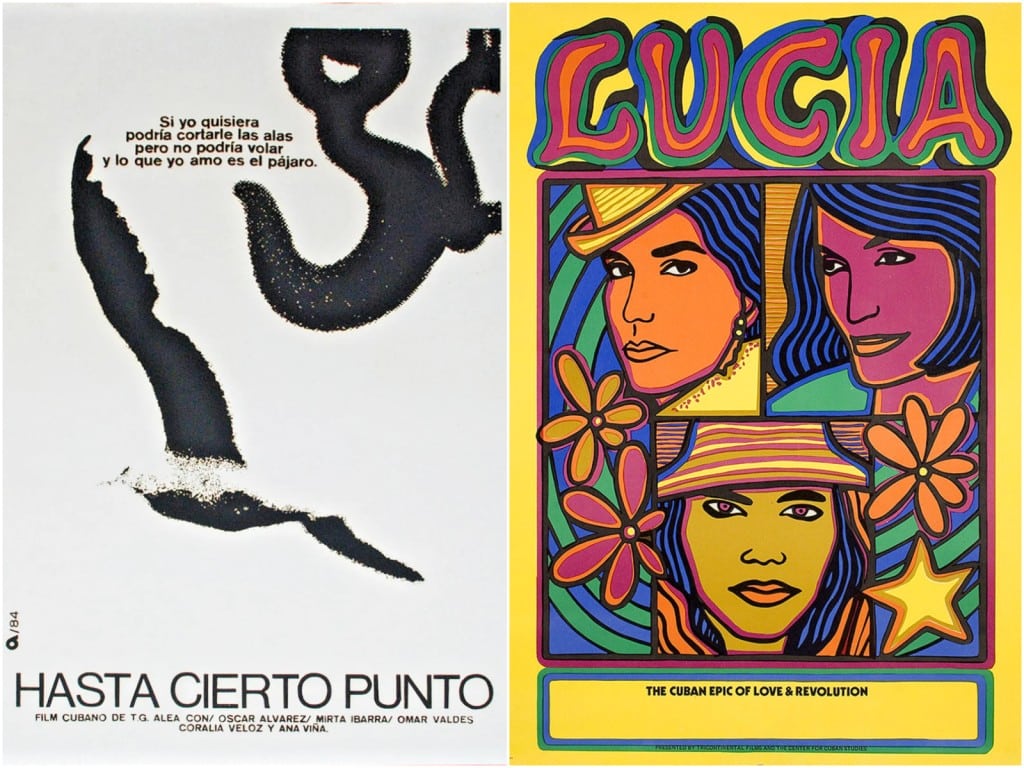
The next installment in the Cine Cubano series is set for International Women’s Day on March 8, 2026, at 1 p.m., at The Cardinal Bar. The double feature will highlight women in Cuba, first in the social commentary on workplace gender roles and machismo in the romantic drama Hasta Cierto Punto [Up To A Certain Point] (1983), also starring Ibarra. The other screening will be Humberto Solás’ Lucía (1968), a three-part epic drama that tells the story of three women, each a titular character, at different periods in Cuba’s history.
An April screening date has yet to be announced, but future information can be found on The Cardinal’s social media and events web page. The film screenings will all have English subtitles, and entry to the Cine Cubano series is free of charge, though a suggested donation of $20 will support the MCSCA’s cultural exchange and aid initiatives.
We can publish more
“only on Tone Madison” stories —
but only with your support.
Author
Related Articles
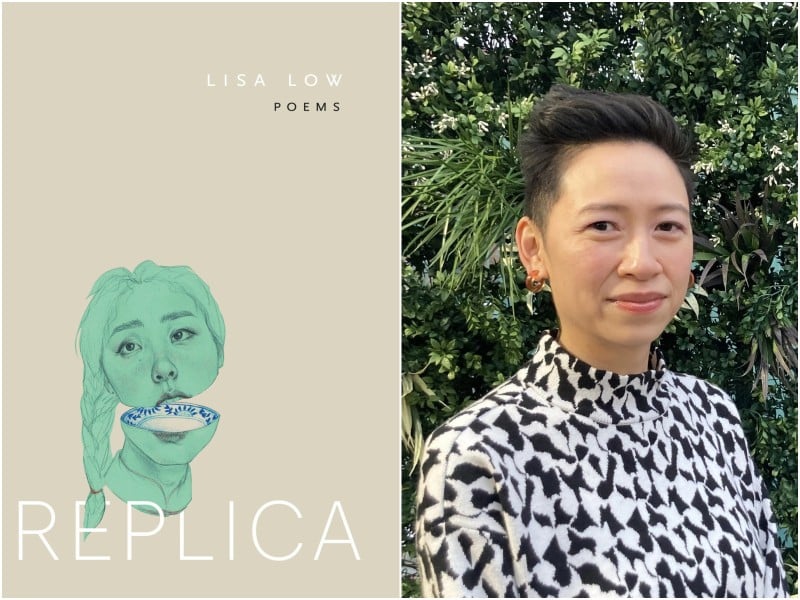
Lisa Low’s “Replica” grapples with racial alienation and whiteness
Moving from childhood to adulthood, the author’s new poetry collection confronts and reconciles expectations in order to live authentically.
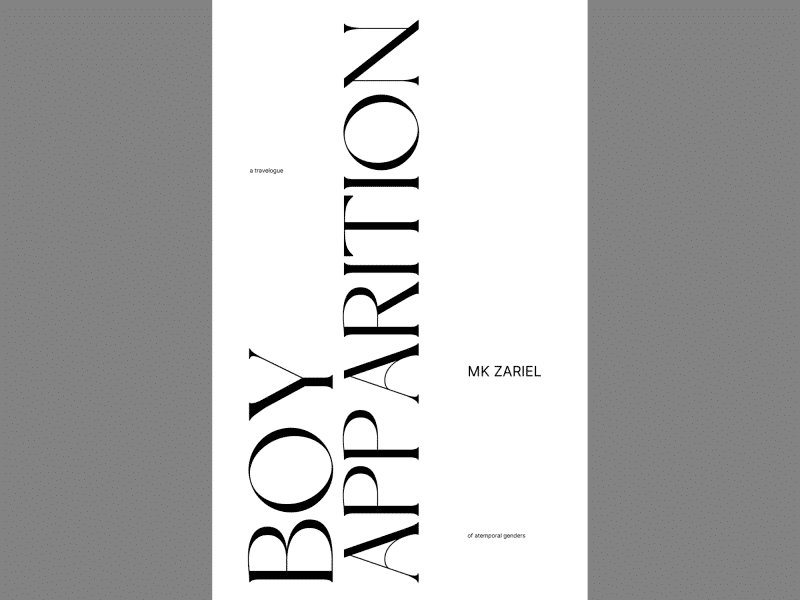
“Boy Apparition” finds queer liberation by challenging normative constructions of masculinity
mk zariel’s chapbook coaxes us to the edges of our imaginations, and is infused with the undercurrent of love that is necessary to keep going.

Small Bites: How I make bread
Meditating on the process, flour, flavor, time, and place.