
“Blood Simple” exudes giddy nihilism in its sordid existential entanglements
A 35mm presentation of the Coen brothers’ 1984 neo-noir debut feature kicks off the UW Cinematheque’s summer series on June 19.
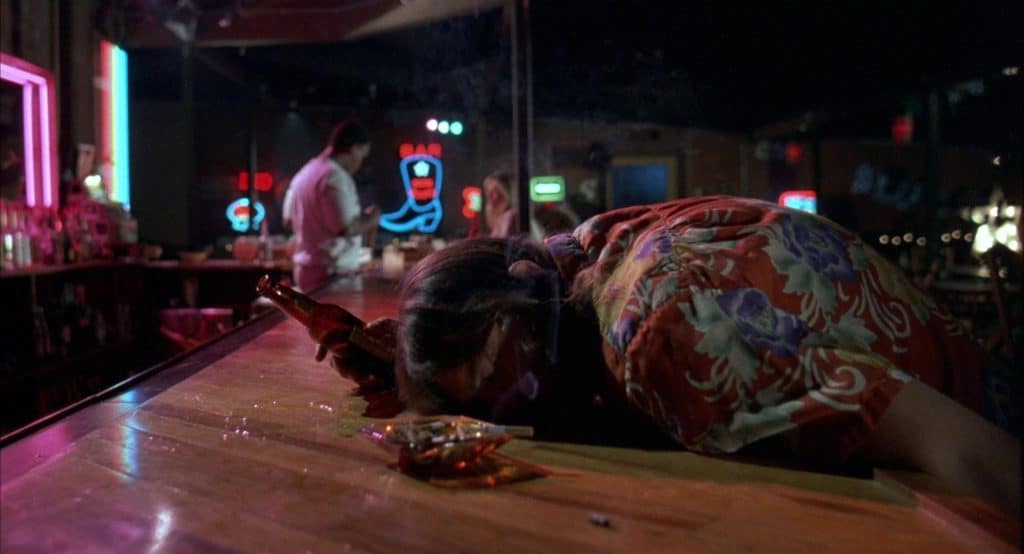
A 35mm presentation of the Coen brothers’ 1984 neo-noir debut feature kicks off the UW Cinematheque’s summer series on June 19.
In Dashiell Hammett’s 1929 novel Red Harvest, the narrator, the Continental Op, talks about going “blood-simple like the natives” of the fictional metropolis of Personville, where 16 murders have occurred in less than a week: “This is the first time I’ve ever got the fever. It’s this damned burg. You can’t go straight here. I got myself tangled […] I had to swing the job the best way I could. How could I help it if the best way was bound to lead to a lot of killing?” Originally coined in Hammett’s novel, the phrase blood simple—defined as “crazed by violence”—was borrowed 55 years later for the title of a Coen brothers film that would permanently alter the landscape of American independent cinema.
From the haunting title sequence, Blood Simple (1984) instantly grabs the viewer, pulls them in, and refuses to let go. The disembodied voice of a tough unsentimental narrator matter-of-factly explains his bleak worldview over a dissolving series of stark, painterly tableaux, including a two-lane desert highway strewn with detritus; abandoned oil derricks; a remote cityscape surrounded by wilderness; a desolate industrial agricultural facility; a blank billboard in a field overgrown with parched grass; and a pitch-black night sky punctuated by the harsh glare of an oncoming car’s headlights. Director Joel Coen’s gritty, innovative, existentialist neo-noir thriller positively pulses with seedy underworld life and bold cinematic flair.
Co-written with his brother, Ethan, who produced the film, Blood Simple tells the lurid story of a backwoods bar owner (Dan Hedaya) in Texas who hires an unsavory private investigator (played by veteran character actor M. Emmet Walsh) to murder his young adulterous wife (Frances McDormand, in her debut performance). The Coen brothers proceed to weave this well-worn, deceptively simple premise into an increasingly tangled, sordid web of violence, betrayal, misperceptions, and absurdity. With its dynamic visual style, exceedingly complicated plot, wickedly clever script, and pervasive sense of giddy nihilism, Blood Simple envelops viewers in a singularly exhilarating sensory experience.
UW Cinematheque kicks off its summer program on Wednesday, June 19, at 7 p.m. with a 35mm print of the Coens’ first feature, courtesy of the Wisconsin Center for Film and Theater Research. The free screening in 4070 Vilas Hall will immediately be followed by a 15-minute video essay by the late David Bordwell (1947-2024)—Professor Emeritus of Film Studies at UW-Madison—in which he analyzes storytelling strategies in Blood Simple. The film marks the beginning of a six-week Wednesday series honoring the memory of the beloved scholar, mentor, and cinephile called “Thank You, David Bordwell.”
In a 2021 post on the Observations On Film Art blog, which Bordwell shared with his partner Kristin Thompson, the professor describes Blood Simple as “endlessly rewatchable.” And in his video essay, Bordwell explores how the film’s complex intermixture of perspectives continually heightens suspense, while achieving a cool, calculated detachment from the labyrinthine twists and turns of the narrative. As he puts it, “We’re a step ahead of the characters, but the film is a step ahead of us.” The Coens carefully calibrate every aspect of their elusive story to articulate a wholly original cinematic language that breathes new life into the long and varied noir tradition.
A seamless fusion of hard-boiled crime fiction and the ’80s splatter movie, Blood Simple plunges spectators into a sleazy, neon-drenched setting teeming with cynical lost souls. The film crafts an intense, ominous atmosphere through expressionistic photography and an eerily evocative score, while incorporating furtive touches of dark irony and sudden bursts of over-the-top gore. Alternately farcical and disturbing, it feels like a slapstick comedy dressed in the trappings of an edgy noir. While it may be true that nothing in the world comes with a guarantee, moviegoers who haven’t had the pleasure of seeing this masterpiece are sure to have a bloody good time.
We can publish more
“only on Tone Madison” stories —
but only with your support.
Author

Related Articles
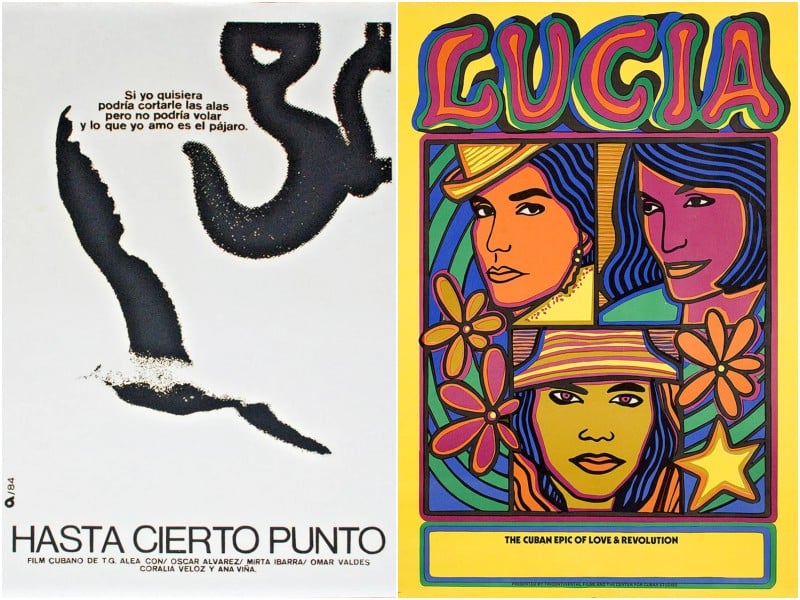
The Cardinal Bar’s Cuban film series invites local support for Madison sister city
Cine Cubano bridges interest in Cuban cinema with the cultural exchange and aid mission of the Madison-Camagüey Sister City Association.
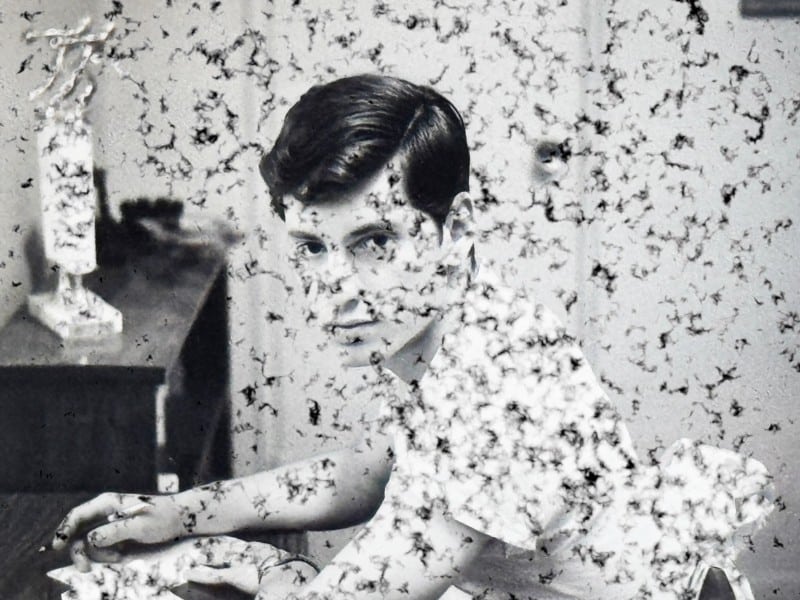
Three video artists tap into personal histories in the 150 Artists x 150 Years exhibition
Chele Isaac, Toby Kaufmann-Buhler, and Aaron Granat reveal the creative depths of their works, which are on display through February 28 at Central Library.
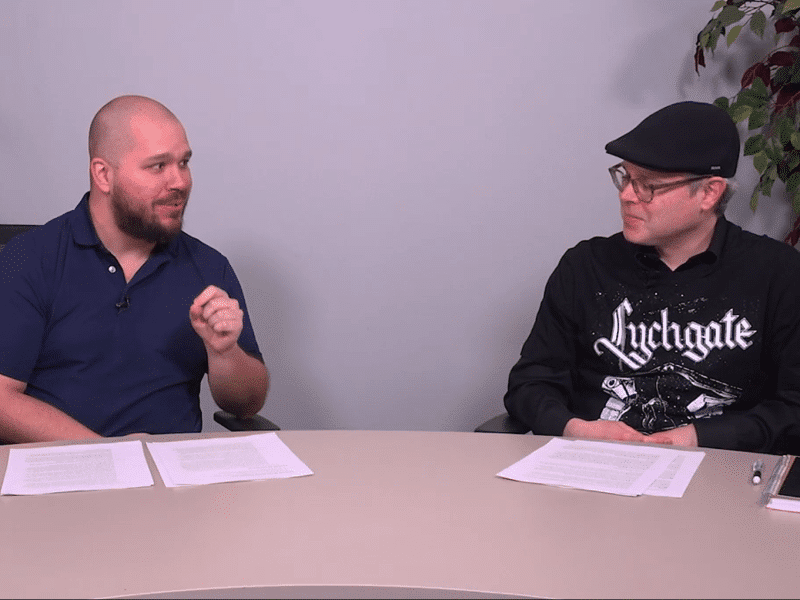
Video: Sizing up local screening events and prominent performances of 2025
A chat with Josiah Wampfler at OCA Media about our favorite movie-going experiences and acting roles of last year.