
A new view of seasonal change
Embracing greater meaning through backyard photography.
Embracing greater meaning through backyard photography.

This is our newsletter-first column, Microtones. It runs on the site on Fridays, but you can get it in your inbox on Thursdays by signing up for our email newsletter.
Finding new sources of meaning in life can be a difficult exercise. Humans are habit-driven creatures, and anything that breaks those dynamics or fundamentally shifts our understanding of the world is often met with personal hostility. Reckoning with contradictions in belief and value systems is never easy, something most of us—including myself—learn the hard way.
Photography is a medium that continues to be instrumental when it comes to expanding my own perception of the world. Few disciplines mean as much to me personally for this reason. I lightly touch on this exact element in my recurring live music photo essay series, and more fully in my Microtones essays on the various values of photography. But there is always more to discover.
As my interest in photography grows, I find myself endeavoring to fill the genre lapses in my portfolio. Wildlife photography—while boasting a high-cost barrier of entry for anyone looking to pursue it in a “professional” capacity—is incredibly accessible. But over the past winter, a realization hit: I’ve never given this kind of photography serious or proper attention. You take your camera, you go outside, and you photograph nature. It’s a simple dynamic that can offer complex takeaways. Despite all of this, from 2014 to 2023, it never consistently holds my focus. A few wildlife vloggers ensnare my attention at the start of 2024 through their professional expertise or their endearing love of red squirrels (an animal that I gain affection for, despite their relative absence within Madison). I aspire to course-correct and begin taking mental notes on how to set about pursuing wildlife photography in earnest.
Looking out my bedroom window one day in January, I follow an impulse to go outside. This kicks off a six-months-and-counting effort to document how seasonal changes affect the life around me. The backyard of the near east side apartment I share with my partner and our roommates takes on new meaning through the process, and I take on a greater interest in local ecological and wildlife history. Through those emergent interests and habits, I start reflecting more deeply on the meaning of our relationship to the places we inhabit and how they can act as defining points. I spend many moments in quiet contemplation, sitting or standing in our yard, reflecting on the ebb and flow of not just location, but the cyclical nature of existence.


January 2024 stands out as one of the warmer Wisconsin Januarys, registering as the 10th hottest in the state’s history. While that’s a relative extreme for a state with 175 and a half years under its belt, the warmer temperatures allow me to go outside a bit more often. (If the world is heating up to unlivable extremes, we may as well enjoy the outdoors while we can.) On a day where the sky appears to be shock-white and fresh snow adorns the city, Madison becomes a scenic reverie. For what would be the first time in 2024, I take my camera and go outside to capture the city in a state that seems worth preserving. Taking in the neighborhood in near-silence—or at least as close to it as you can get near East Washington—proves to be a serene experience. During that walk another realization emerges: at some point, over the six and a half years I’ve been a Madison resident, the city has become my home.
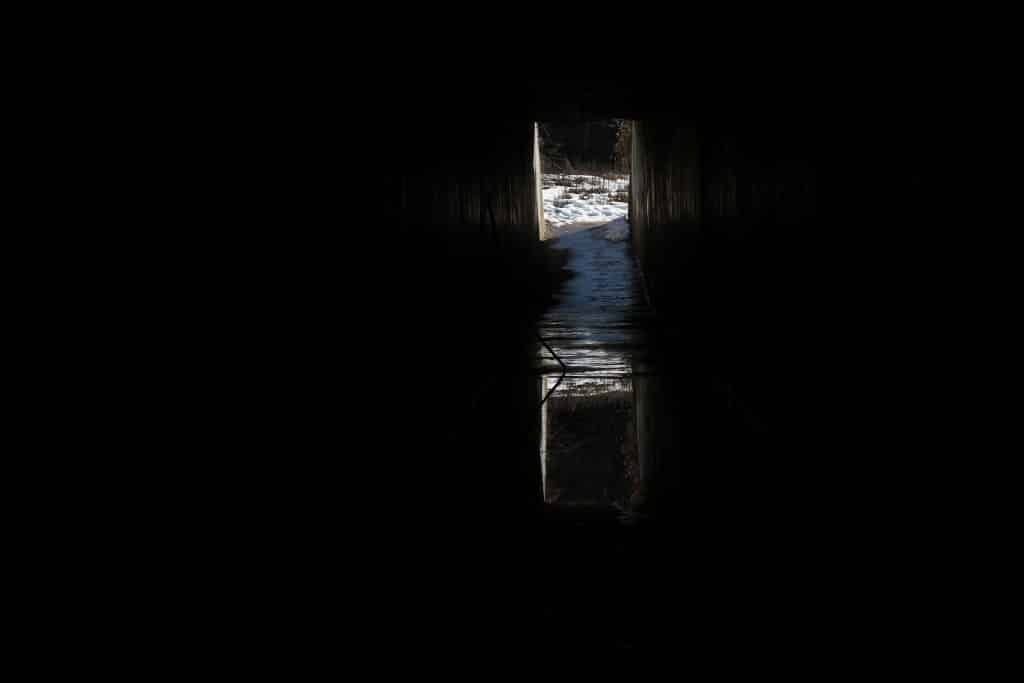
On a similarly walkable day in February, my partner and I venture out for a stroll at the UW Arboretum. During the walk, we hit one of my favorite spots: a long highway underpass. We don’t make it far into the shadowy tunnel, stopping at a point of flooding, rather than wading through the muck to the other side. But the deep-pooling condensation’s reflective surface within the tunnel makes it appear as if the world is splitting apart, inviting even more contemplation on the ongoing climate crisis. In the midst of the hottest February in Wisconsin’s record, a portal to another potential world manages to seem more inviting than usual. Towards the end of the month—perhaps spurred on by the rising heat—our backyard starts showing more signs of life. Squirrels and birds begin making themselves known more readily. Their presence both calms and invigorates me, and my focus shifts from wintry landscapes to spring wildlife.

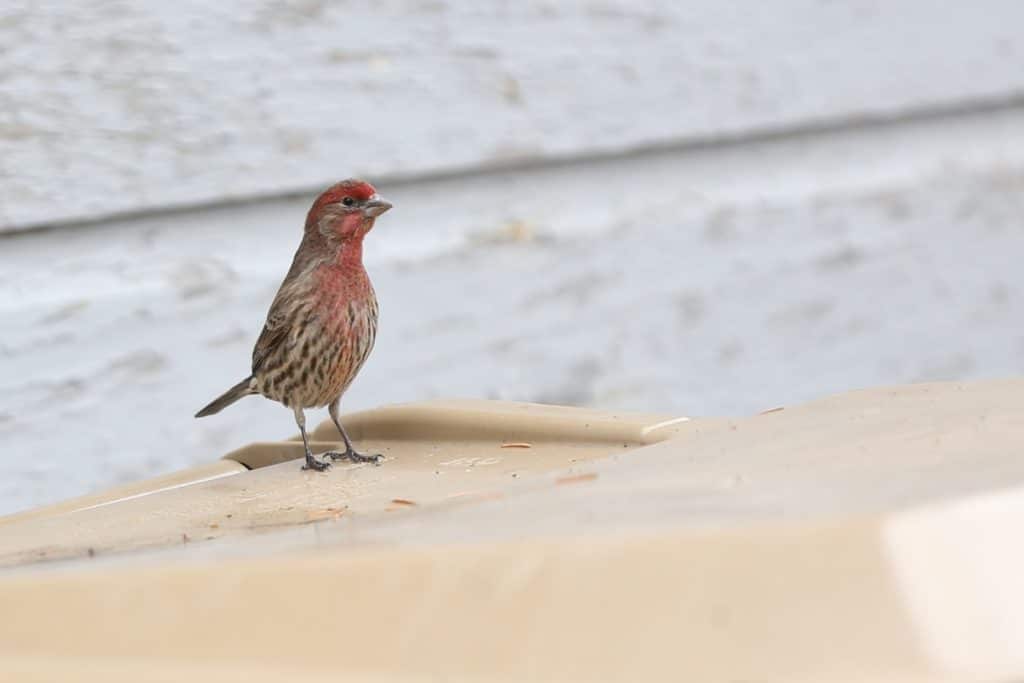


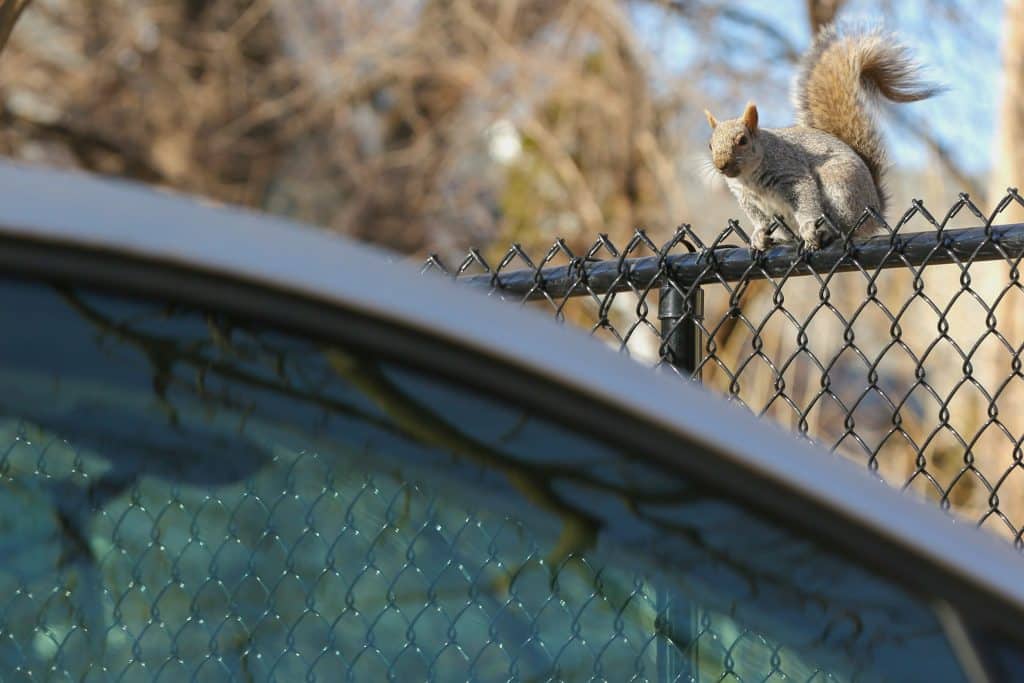
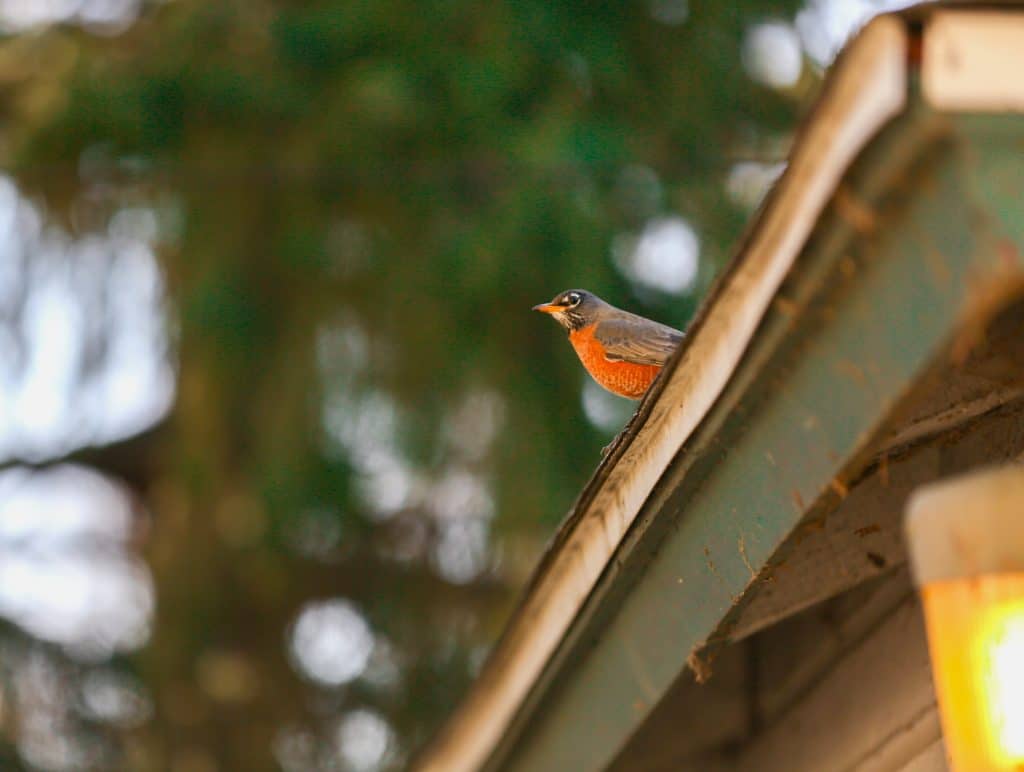
In a hotter-than-usual March, I drill firmly into backyard photography. A few specific animals draw my attention: a squirrel with gold-tinted fur, a small number of American robins that prove to be both brash and largely unbothered, and a chipmunk taking residence in a bit of loose piping. As this small handful of critters pique my interest, the weather becomes noticeably temperamental. Most days are dry but a few cover the ground in snow.
On snowier days, I limit my time outside and begin exploring Madison’s rich wildlife history. I unearth Tone Madison publisher Scott Gordon’s piece on Sam Sanfillippo’s warped taxidermy showcase, Dead Pals Of Sam Sanfillippo, and ponder whether there were deeper reasons behind its short-lived existence. I revisit Tone contributor Holly Marley-Henschen’s lovely tribute to the state’s squirrels, as well as all the other Making The Nature Scene pieces. Emily Mills’ excellent Microtones on a notable personal moment in birding similarly reabsorbs my attention.
The American robin’s status as Wisconsin’s state bird cuts deeper than I expect and—having the distinction of being the state bird selection, courtesy of some schoolchildren in the 1920s—implicitly reflects our “Forward” motto. To most, the American robin’s designation as such is explicitly tied to feeling good around the time spring arrives. To me, the American robin’s exemplification of the state lies more in its indomitable spirit. It’s a genuine delight to watch them frantically hop around the yard and occasionally shoot over a questioning look while weighing whether to fly off or investigate further. Something about the way they interact with the world feels characteristic of Wisconsin residents as a whole; tacitly accepting, fairly adventurous, and surprisingly comfortable. I become immensely fond of their playfulness and fold them a bit more into my sense of identity.

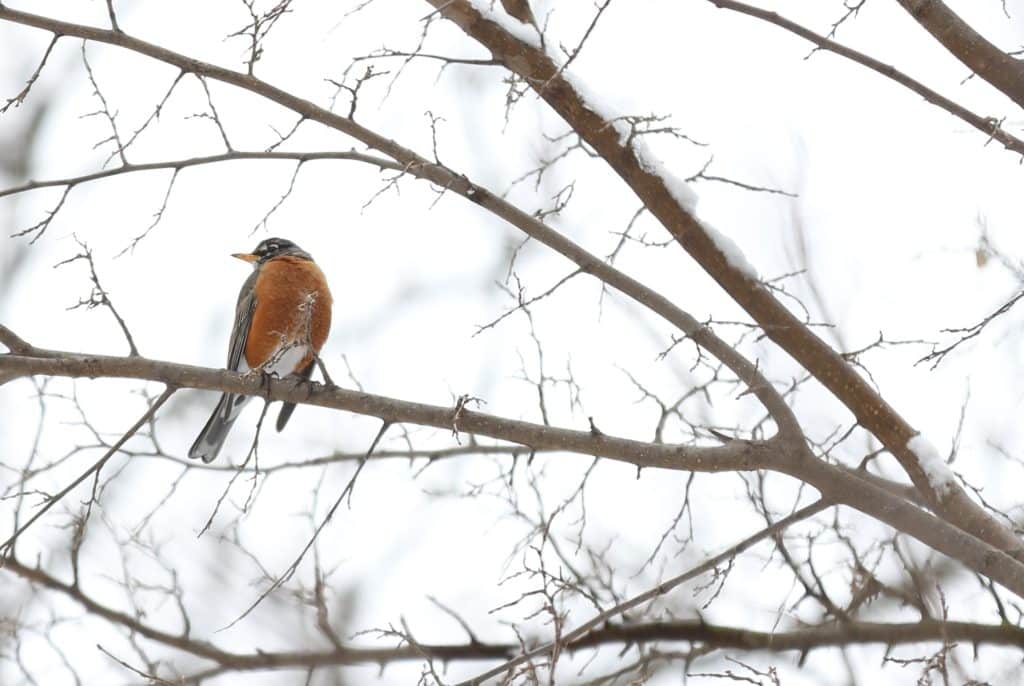

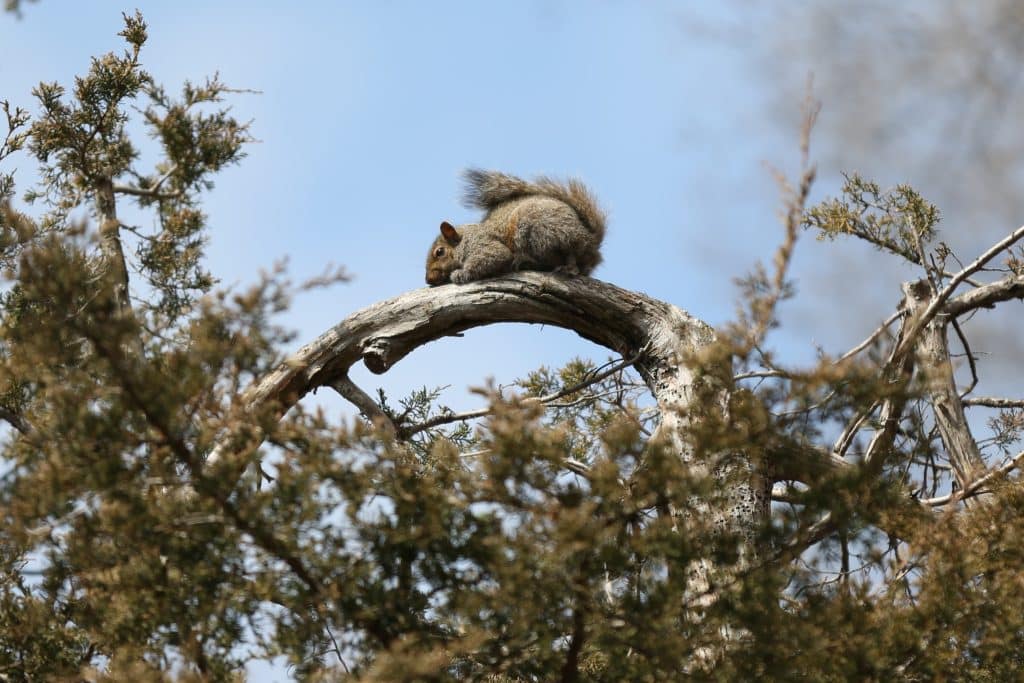


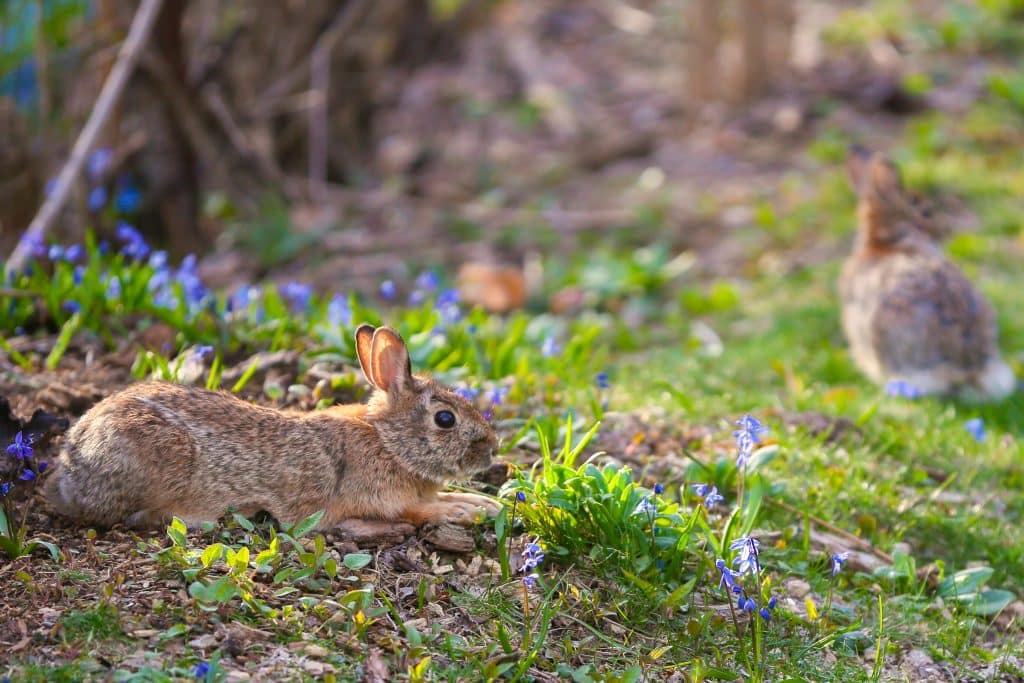
I dive more deeply into general wildlife research throughout a relatively temperate April, learning how to more acutely identify birds and squirrels through distinct visual markers in an effort to track how many I photograph. (The seemingly inescapable “Pokémon for adults” quip is a frighteningly astute one.) As time marches forward, spring establishes itself. The robins become a constant. A palpable sense of rebirth settles in, and I afford more effort and energy to acclimating myself with the animals and ecology that surround me. I watch a Cooper’s hawk violently take down a grackle in the month’s early stretch. In late April, I see a young squirrel and an even younger rabbit begin to explore the yard; the circle of life in full effect.
For as jarringly violent as nature can be, moments of genuine tenderness and affection abound. I become enamored with a cardinal couple who like to perch on a fence and share sunflower seeds from the birdfeeder between their beaks. I become similarly fond of a pair of rabbits who take to lazing in patches of sunny grass together. Sitting outside, patiently waiting for another bird to descend or a small creature to emerge, I realize how meditative the practice of documenting these moments and relationships has become.
In mid-May, I turn another leaf, going from 34 to 35. And, as tends to be the case on such occasions, my thoughts turn towards how we create and find meaning within our lives for the astonishingly short time we have the opportunity to do so. I embrace my immediate environment more fully and with a deeper sense of gratitude, even as the higher heat averages continue to point towards bleak environmental outcomes. Around this time our backyard completes a seemingly rapid transformation from near-barren to wildly overgrown, showcasing a new range of flowers, colors, and animals. The large tree stump at the edge of the yard is now barely visible, as rampant greenery begins to obscure its location. In a few months, no one will be able to spot it beneath the leaves. Many of my mornings involve photographic tributes to these new signs of life.



In late May, my thoughts repeatedly turn to a particularly lively sequence from a guest-directed, stop-motion Adventure Time episode that feels strangely emblematic of my newfound routines. As painfully cliché as it is, there really is value to stopping and slowing down, especially in a cultural landscape that values immediacy above all. While considering the virtues of patience in a world that insists on diminishing its utility, I gain an even more fervent belief in its importance. Good things take time. And sometimes you need to wait for a great shot to come to you. But five full months into my backyard wildlife practices, a new impulse begins to set up shop in my brain. As beautiful and occasionally limitless as a small backyard can seem, the temptation to document the breadth of areas in and outside of Wisconsin takes on a new, enticing sheen. While it’s true that patience is absolutely critical in wildlife photography, you can’t always wait for the shot to come to you. Sometimes you have to go to the shot.
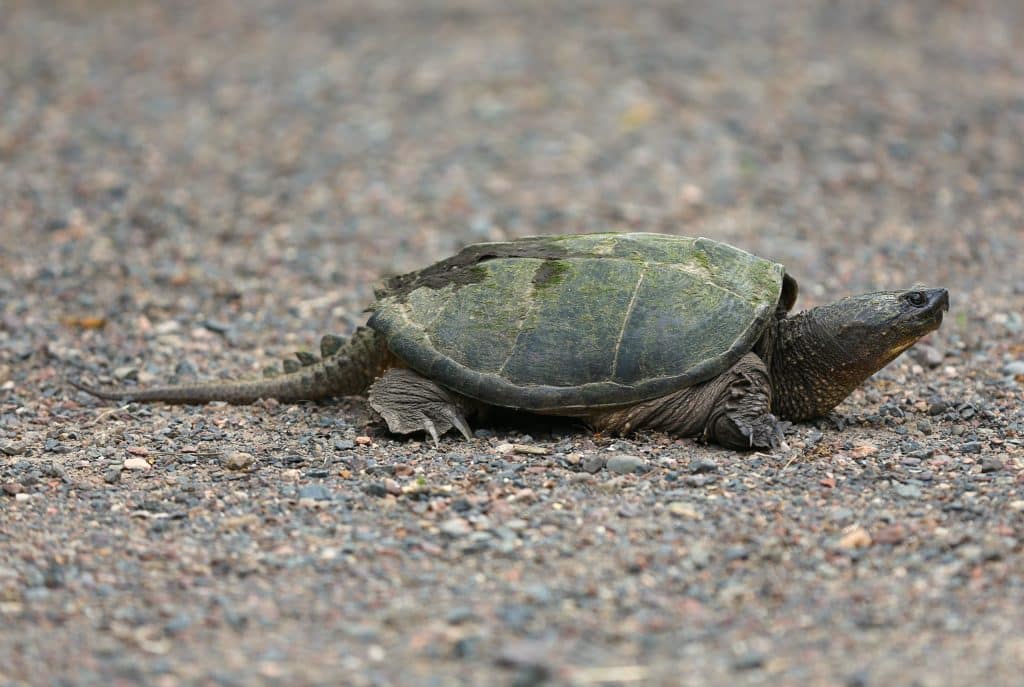
June presents a perfect occasion to get out and capture new scenes via a beautiful weekend-long wedding celebration in the small northern Wisconsin town of Sarona. I embrace a handful of opportunities for exploring the grounds of the wedding’s location: Hunt Hill Audubon Sanctuary. I stop to admire a number of scenic expanses, areas well-kept and undisturbed by urban development, and revel in a few quiet encounters. I slip quietly out of our cabin during our first morning on the grounds and make my way down a perilously steep hill to the water, before climbing a fallen tree and sharing a small moment with an adventurous gray squirrel. I somehow manage to scale the hill to the main grounds, and not long after, run into a snapping turtle, who seems to have survived the ravages of time better than most. Observing its deep-set wrinkles and slow, deliberate movements, I wonder what obstacles the turtle has had to endure and overcome, admiring its steadfast perseverance.
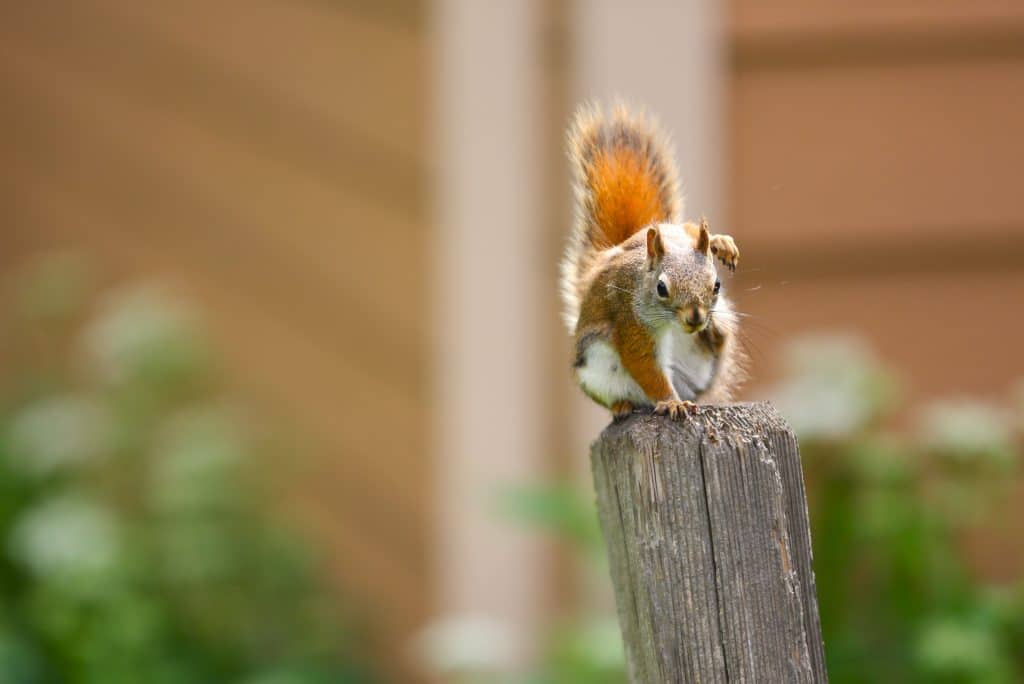
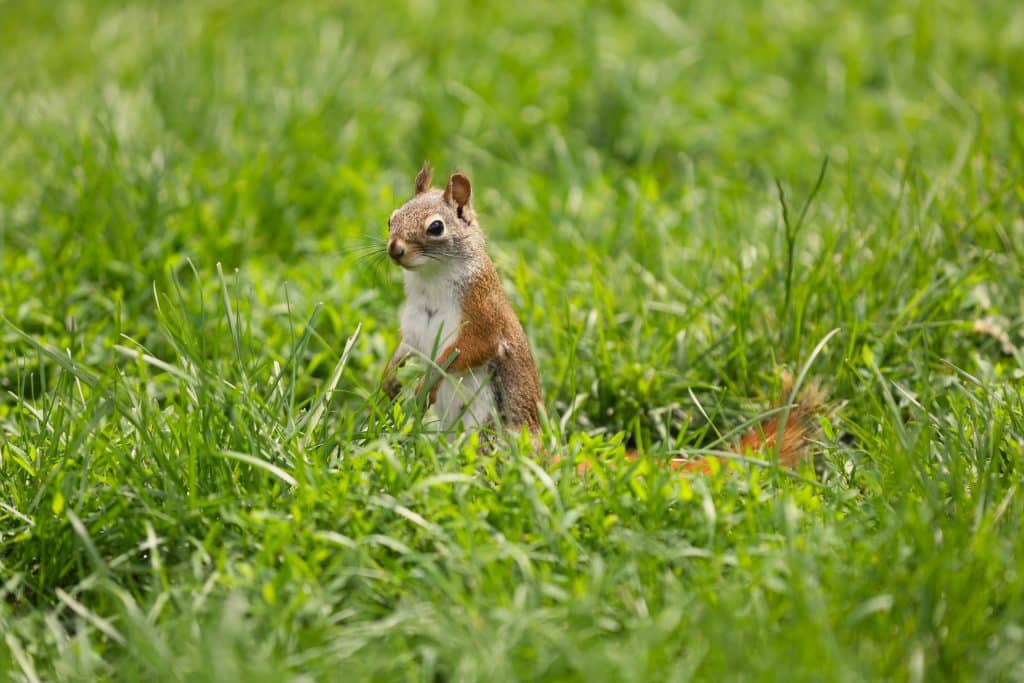
I’m nowhere near the end of this particular journey, but that sense of turtle-like perseverance is proving resonant. It’s difficult to make sense of macro-existential quandaries but the progress of the life around us can help us contextualize it, at least a bit. There is a slow, steady march that we all have to take, and we deal with it in different ways. We can never fully understand the human predicament (especially when contending with our own mortality), but having the company of the intrepid life around us makes those particular unknowns feel a little less lonely. All of this is on my mind in Sarona. But outside of our designated cabin, I manage to sit down and find several minutes to happily engage with a particularly playful red squirrel. All of those broader thoughts fall away. I find genuine joy in capturing a small moment. As long as these moments with nature continue to come, all of the effort to find and honor them will be worthwhile.



The photography included in this article is a curated selection of a larger gallery, which can be accessed on Flickr here.
We can publish more
“only on Tone Madison” stories —
but only with your support.
Author

Related Articles
Police surveillance technology needs proper accountability
Grassroots resistance against Flock cameras are writing the blueprint for comprehensive reform.
Don’t shrink the Common Council and County Board
Madison needs more representation, not less.
Starter homes? No, we need starter apartments
As homeownership continues to be out of reach for too many Madisonians, we should build more owner-occupied, multi-family housing.