
Small Bites: How much garlic is too much garlic?
With “double the garlic” dominating social media, it’s time to reevaluate your recipes.

This is our newsletter-first column, Microtones. It runs on the site on Fridays, but you can get it in your inbox on Thursdays by signing up for our email newsletter.
“Small Bites” is about exploring the broader world of food and drink in Madison through approachable and specific experiences.
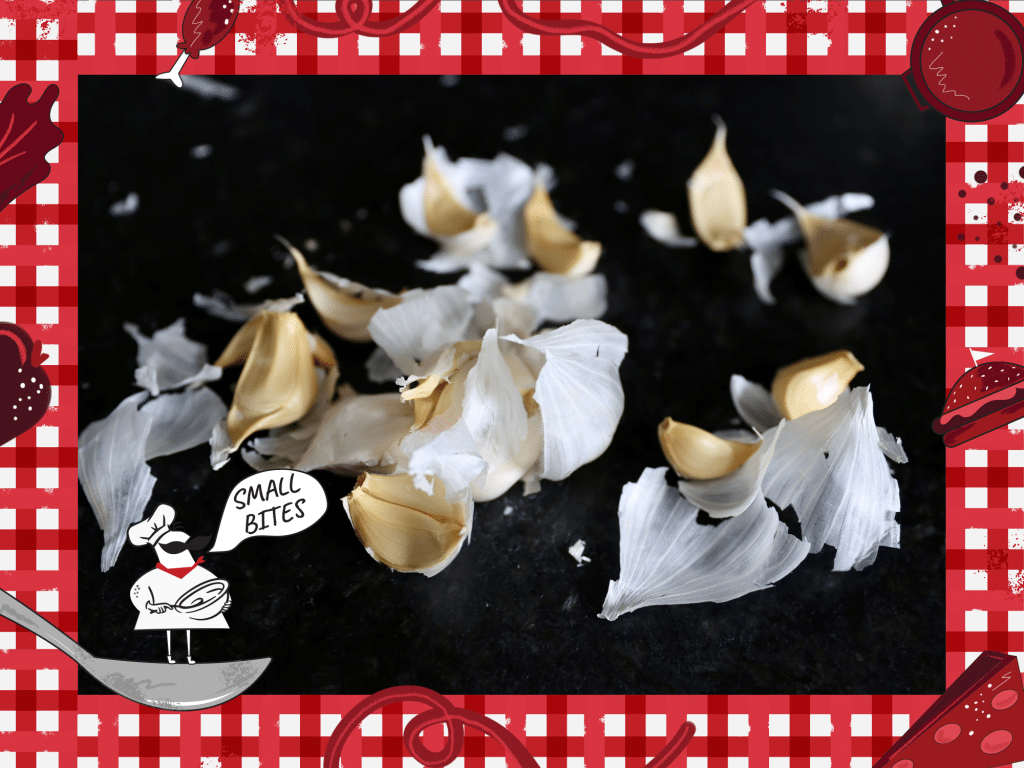
A little while ago, my partner and I were sitting at the bar at Mint Mark when executive chef Kasey Cooke set our next dish in front of us. “It’s a house-made sausage with garlic,” he said as the plate hit the counter. “Enjoy.” And enjoy we did. My memory of the complete dish itself is a bit murky—I’m fairly sure there was a paprika-heavy tomato sauce, maybe a potato pancake—but I couldn’t stop thinking about the garlic, or the fact that the chef made sure to highlight that garlic was a key ingredient in the dish. In the last few years, “just double the garlic” has become a rallying cry for home cooks everywhere (search any social media site with that phrase, and you’ll get the gist), but the recommendation is always for any recipe—not just recipes where garlic is the star.
The overuse of garlic in home cooking has been covered plenty of times, including by Rax King at MEL Magazine and Bettina Makalinta at Eater, but the sentiment hasn’t faded online. It’s easy to understand why. I, myself, have been guilty of smashing six to eight cloves into olive oil to start any simple pasta recipe. After all, if the dish only contains garlic, olive oil, sausage, broccoli rabe, and some pecorino romano, why not try to boost your flavors at every possible stage?
That mentality shifted for me when I visited Italy last year. Throughout the Mugello Valley and Bologna, I was surprised at how subtle each dish was. Potato-stuffed tortelli ladled with a simple meat sauce, braised wild boar bolognese tossed with tagliatelle, cavatelli tossed in an herbal and fragrant pesto—it was hard to tell if there was garlic in any of these dishes. Aided by the previous pieces of smart writing on garlic overusage, I toned down my clove allotment at dinner to let the simplicity of each dish shine.
But I wanted a professional opinion, so I reached out to my former colleague and Serious Eats editorial director, Daniel Gritzer. “The celebration of big-flavor-at-all-costs is akin to listening to music with the volume always at 11. Sometimes you need to turn the volume down, because, just as with music, food has dynamics,” says Gritzer. His opinion is one of nuance. Some recipes might require garlic, but most are likely written with balance and structure in mind: “It’s not uncommon, for example, to very gently and lightly brown a clove in some olive oil, then fish the clove out before continuing with whatever else is going into the pan.”
The plea for subtlety from a professional recipe writer is a strong endorsement for reducing garlic usage. Gritzer thinks it has more to do with flavor expectations than a preference for garlic: “Most food tastes great with nothing more than the right amount of salt; so often when people say food is missing flavor, it’s really missing salt.” I get what he’s saying, but I also understand that the average person doesn’t engage with active tasting in their day-to-day lives. When I go home, my mom demands I make my “famous guacamole recipe,” which is just lime juice and the proper amount of salt. No matter how often I try to explain the concept of “salting to taste,” she’s firm on sticking to recipe quantities. Even over Thanksgiving, when my dad asked me to make mashed potatoes, he balked at the amount of salt I sprinkled in. When I told him to taste it, he relented: they were the best mashed potatoes he’d had in a long time.
As an aside, the salt advice is key for Madisonians. Too often, I have encountered bland food in this city. Throw off the shackles of ’70s health fad low-sodium diets: even the American Medical Association admits that the majority of people’s sodium intake comes from processed foods. It’s difficult to manually add the amount of salt to a dish that would be equivalent to the amount of sodium in a single can of soup. Make your own soup, salt to taste, and you can even add some Aleppo pepper to spruce it up.
Gritzer isn’t anti-garlic, however: “If someone wants to use tons of garlic in their cooking, more power to them. Sometimes, I would agree with that desire—sometimes lots and lots of garlic is exactly what a dish needs.” I also find that to be true. The Hungarian-inspired sausage at Mint Mark was extremely garlic-forward and delectable. Punchy, savory, and sharp, the garlic cut through the pork fat nicely. I find it hard to remember what else was in that dish because of how strongly I reacted to the sausage itself. So, to find out more about garlic-heavy dishes, I went straight to the source.
“I grew up in the suburbs of Chicago. My mom did all of the cooking, and I’d say her identity in the kitchen was very Midwestern with some Hungarian in there,” says Cooke. His cooking at Mint Mark is rooted in hearty and savory meals, though he also stresses balance and refinement. “I am absolutely all about refinement and making dishes balanced, no matter the inspiration.” For Cooke, finding the right use of garlic depends on what you’re planning to cook and why it’s being used. But he also feels like garlic is shorthand in American cooking for richness and umami. Says Cooke: “Something missing garlic would be like your favorite song without the kick drum… you may not notice immediately, but you’d know something was absolutely off.”
Regardless of how contrasting the dueling music metaphors from Gritzer and Cooke were, they definitely harmonized from a broader perspective. After all, finding balance is all about mastering the layers of flavor being presented. Too much garlic throws off the balance, but if a dish is missing garlic, it would be sorely missed. Both Makalinta and King called for restraint in their pieces, and rightly so. But some cuisines rely heavily on garlic’s presence driving the dish, and in those instances, balance might look different.
Cooke refers specifically to Korean cuisine, which he learned from his mentor, Dave Park. “When I first started in his kitchen, I was shocked by the amount of garlic used and how closely his native cuisine was related to that which I knew of Hungarian food,” says Cooke. “He would simmer it in stews or stocks. Make roasted paste to enhance sauces. Pickle it and serve it as a side dish. I was captivated.” For Cooke, learning how to maximize garlic’s versatility was a cornerstone of his culinary career. That is to say: large quantities of garlic have different effects on a dish’s flavor profile depending on how they’re used. In Korean cuisine, different types of garlic preparation are layered for maximum effect. For Cooke’s Hungarian-inspired sausage, a strong presence of fresh garlic blended into the meat ensures that its punchiness is preserved.
Gritzer also notes that usage dictates garlic’s strength. “There are so many ways to play with garlic’s flavor—how you cut the clove, if you cut it at all (the smaller the pieces of garlic, the stronger the flavor); whether you blend it with an acid or not (acid suppresses the formation of garlic’s more potent flavors, a technique used in a lot of hummus recipes to make it garlicky without being pungent); and whether and how much you cook it. Garlic grows sweeter as it slowly sizzles and roasts,” he says. That added layer of versatility complicates the question of how much garlic you need to use in a recipe. Garlic confit, roasted for hours in fat, has a sweet and nutty flavor profile that can be used liberally as a condiment. Raw garlic added to a Caesar salad dressing can be overpowering.
Regardless of personal preference, reworking a recipe requires some conscious thought and experimentation. Quantitative analysis often pales in comparison to comparative analysis when it comes to taste. You may want to score a recipe four out of five stars after preparing it, but without tasting two versions of it, how will you know which one scores the best? For home cooks, Cooke has this advice: “If and when I am cooking someone else’s recipe, I do every single thing I can by the book… the first time. I believe in cooking, 1) you should respect the creator’s recipe, and 2) you need to establish a baseline to see how much you can then disrespect the creator’s recipe.”
For some people, that disrespect might mean an extra clove or two. But it would be impossible to know without trying the recipe as written first. After all, cooking the same recipe twice is a lot cheaper than booking plane tickets to Italy.
We can publish more
“only on Tone Madison” stories —
but only with your support.
Author

Related Articles
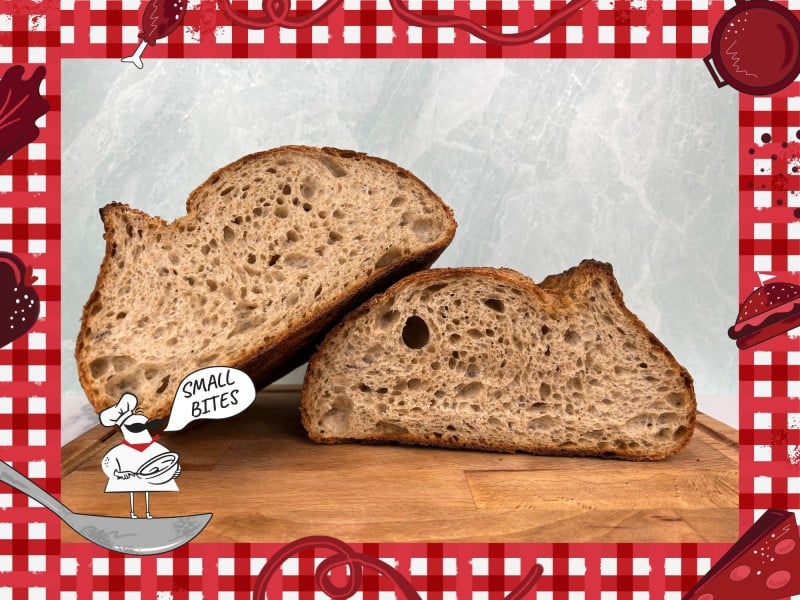
Small Bites: How I make bread
Meditating on the process, flour, flavor, time, and place.
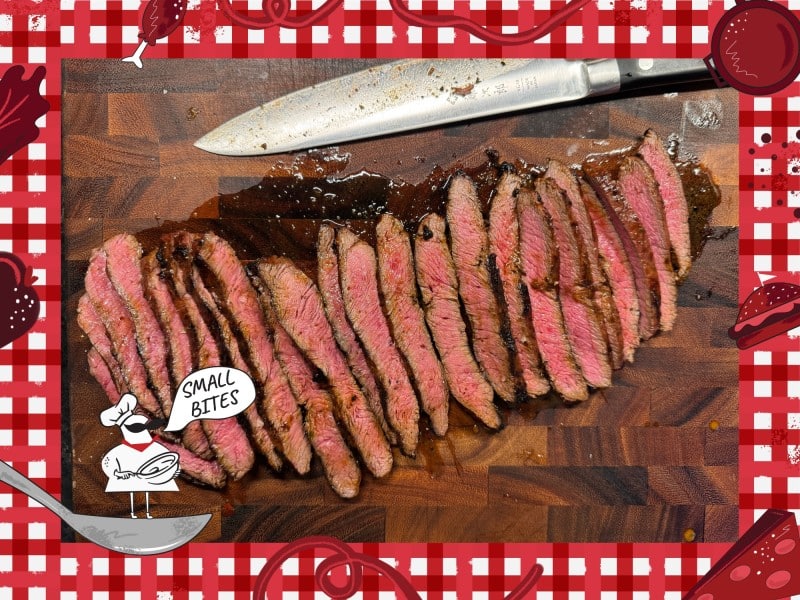
Small Bites: The moral cost of meat
How a bad dream prompted more intentional eating in the new year.
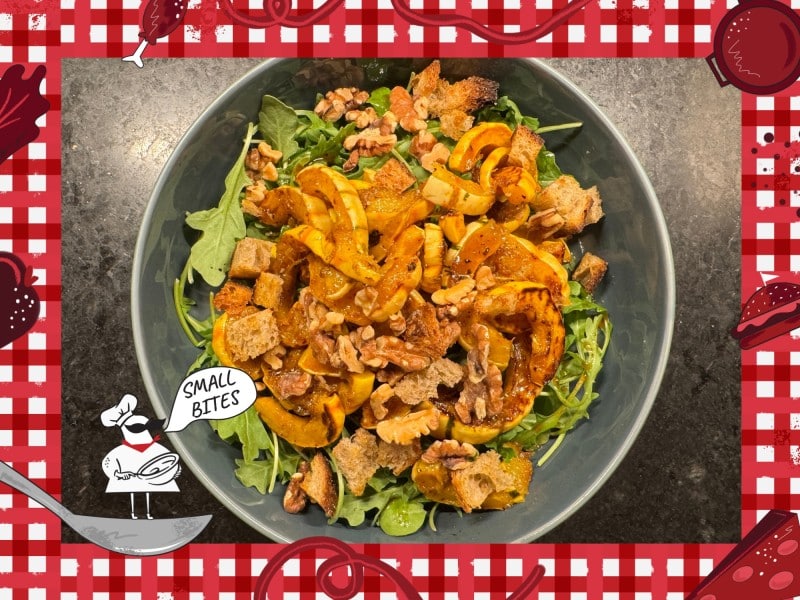
Small Bites: To make it through the fall, roast your vegetables
A low-effort guide to bringing maximum flavor to your table when seasonal produce is limited.