
Reflections in an animal well
Madison-based video game publisher Bigmode makes a splash with their debut title.
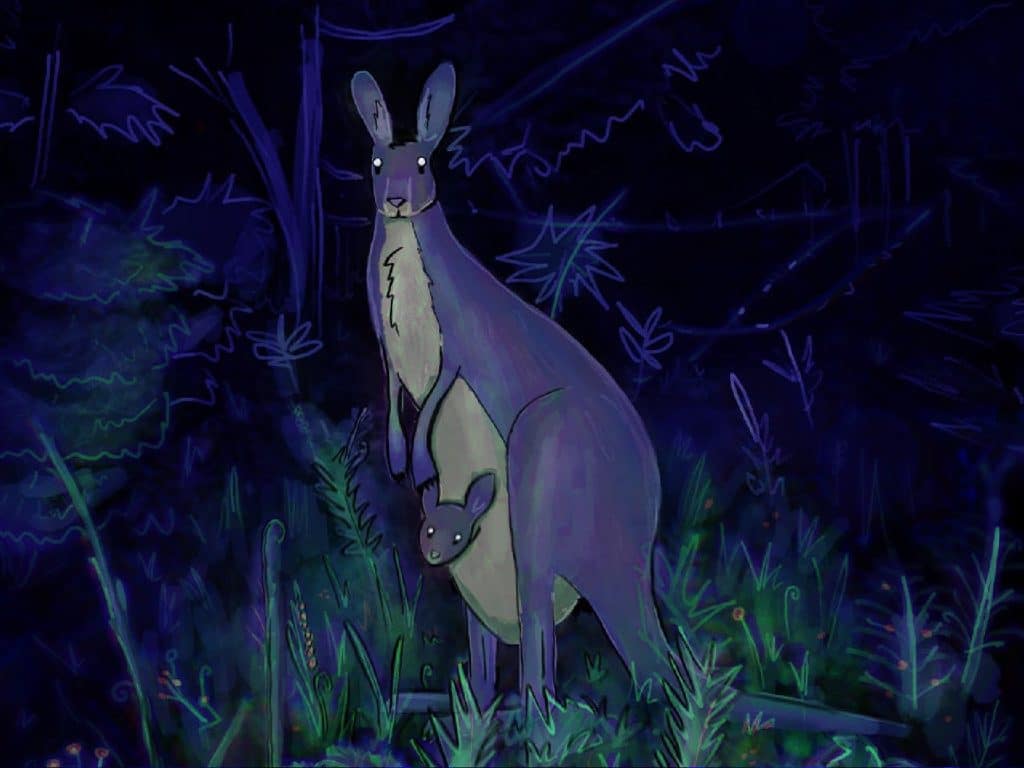
Madison-based video game publisher Bigmode makes a splash with their debut title.

This is our newsletter-first column, Microtones. It runs on the site on Fridays, but you can get it in your inbox on Thursdays by signing up for our email newsletter.
When probable-Madisonian Jason Gastrow and his wife, Leah Gastrow—undoubtedly better-known as Videogamedunkey or just “Dunkey” and “Leahbee,” respectively—first announced Bigmode, the idea was met with a mixture of excitement and skepticism. How could a couple, whose primary gaming industry experience was being (admittedly high-profile) YouTube reviewers, believe they could be qualified to run a video game publishing company? There is little, if any, doubt remaining on whether Bigmode’s bonafides could successfully translate. Animal Well, the first game to be published by Bigmode, released on May 8 to both commercial success and overwhelming critical acclaim.
As of May 20, aggregate critical review site Metacritic had the game’s average score listed at an astonishing 91 (after 27 reviews). At that score, Animal Well ranks as the second best-reviewed video game of 2024 thus far, trailing only Final Fantasy VII: Rebirth. “Magical wizard genius” Billy Basso, Animal Well‘s developer, turned out to be the perfect candidate to help launch Bigmode’s reputation into the stratosphere. In every public appearance, Basso has given the impression of a classic game dev: slightly withdrawn, incredibly thoughtful, and unmistakably passionate about their project. He’s exactly the type of dev that Bigmode pledged to showcase, while his timid modesty serves the additional benefit of tempering some of the hubristic miscalculations plaguing Dunkey’s past.
Further helping Bigmode’s reputation throughout the company’s rapid ascension is the fact that Dunkey himself has largely shied away from a well-established—and frequently outright indefensible—edgelord persona. (Whether or not it was satirical continues to be a moot point; that these overwhelmingly toxic personalities have been falling out of favor in the video game industry is a blessing.) Dunkey’s apparent maturation hopefully stems from a genuine desire to be better rather than a fear of backlash. Growth is, after all, inherent to achieving success and even more inherent to maintaining the longevity of that success. And that’s something that ties right back into the mechanics of Animal Well. Basso’s game doles out an increasing sense of reward as its scope evolves, true to its classic Metroidvania nature. Simply put: it’s a triumph.
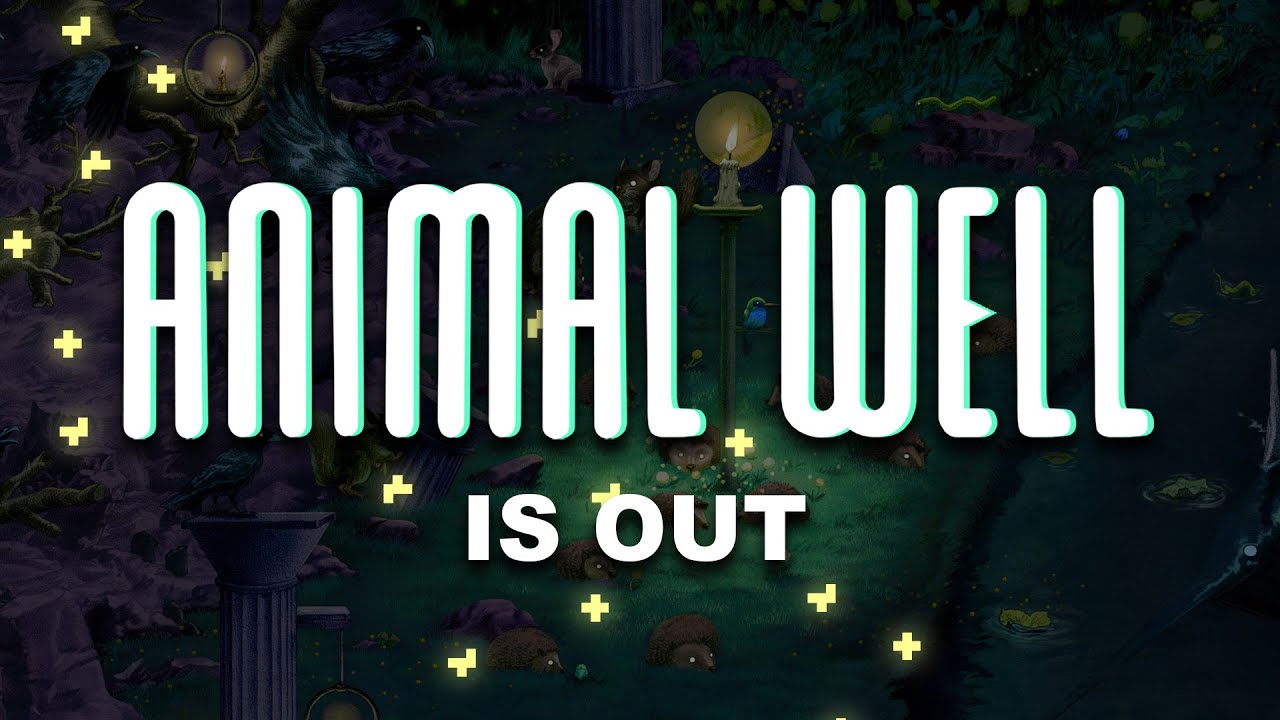
I downloaded the game on launch day and have since sunk about a dozen hours into exploring its ghostly, pixelated world of puzzles. Like Outer Wilds, the game hands a sense of trust and confidence over to the players, even while harboring myriad secrets and deceptively cerebral solutions to many of its obstacles. While it recalls a handful of past titles—Hollow Knight, Rain World, and Celeste among them—in various respects, Animal Well feels distinctly like its own beast. Basso has managed to successfully collate a handful of striking influences into a world that comes across as singular, likely thanks in part to the distinct engine the game runs on (which Basso also created, along with the level designer, and various tools essential to its visuals).
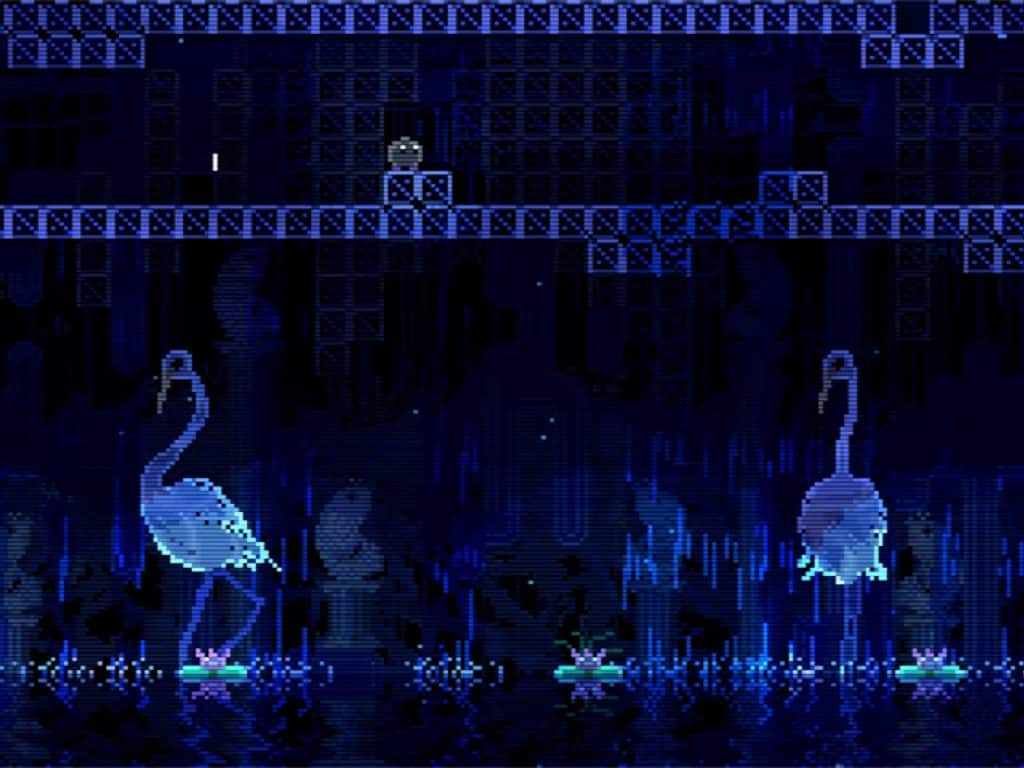
One particularly striking aspect of the game’s visual construction is the small vertical breaks that run through the character designs, allowing players to see the backgrounds and register a greater sense of depth of field. It’s an exceedingly small detail, but the impact of that choice is enormous. Everything in Animal Well‘s 2D pixel art world feels a touch less flat and significantly more vibrant as a result of that visual marker, heightening the enticement of exploration. It’s one of a sweeping handful of small grace notes that Basso has littered across Animal Well‘s extraordinarily considered production.
Zooming out and looking at the landscape of the games industry, it’s not hard to clock a particular element that is likely integral to Animal Well‘s appeal: it’s an original. If we go back through every nominee from The Game Awards’ Game Of The Year category since 2020, there are only six titles among the 24 nominees that aren’t sequels, remasters, remakes, or franchise extensions (last year’s nominees were exclusively made up of such titles). Up until the mid-May releases of Mullet Madjack and Lorelei And The Laser Eyes, the only original titles in Metacritic’s 10-best reviewed games of 2024 list were Animal Well, Balatro, and Unicorn Overlord. Gaming—in a manner not too dissimilar from the box office trends of recent years—has been utterly dominated by games that are part of franchises that have already been familiarized to players. And yes, sequels can be great (there is a reason why people still haven’t shut up about Baldur’s Gate 3, which released last August), but more often than not, players know what to expect from those titles. A feeling of discovery can still be gleaned from those worlds, but it’s often dulled by prior firsthand experience with those characters, narratives, and worlds.
Bigmode knows the value of pushing back against corporatism and explicitly commercial interests more than most. In Bigmode’s announcement video, Dunkey rails against “soulless cash grabs” and points to his history of consistently championing “the very best indie games out there.” At that point, he reminds viewers of his glowing recommendations for near-exclusively non-sequel titles, including the aforementioned Hollow Knight and Celeste. Cuphead, Undertale, LISA, Hades, Monolith (which Bigmode acquired the rights to last year and will be re-releasing in a “definitive version” as Star Of Providence), Furi, Downwell, and the Ori games all get name-dropped in this section as well, among others. And while a few of those games would eventually spawn sequels of their own, at the time of their release, they were heralded as true originals, sparking a heightened sense of intrigue. The wide-eyed wonderment that accompanies unearthing a genuine, unmitigated sense of discovery seems to fall in line with Bigmode’s overarching goals. Given the landscape of the industry as whole, that could prove invaluable in broadening the impact of video games as an artform.
Animal Well is set to join the ranks of those games Dunkey mentioned, with Bigmode doing their part to deliver on a promise to seek out the best of the best in indie gaming. Bigmode’s Madison connection also plants them firmly in an increasingly strong connection between the city and video game studios, publishers, artists, and creators. Their presence here is a welcome one. And if it keeps unveiling games like Animal Well, it’ll go a ways in further establishing Madison as an unlikely hotspot for independent games.
I still haven’t finished Animal Well, as I’ve been enjoying luxuriating in its world and reflecting upon some of the issues and contradictions within the industry that the game’s development and release have raised, inadvertent or not. But I have enjoyed every second of the game so far and will likely enjoy it even more once I can bring myself to see it through to the finish. Until then, I’m just going to keep picking away at it, a small bit at a time, and reveling in what it has to offer.
We can publish more
“only on Tone Madison” stories —
but only with your support.
Author

Related Articles
USRowing’s trans-exclusionary policies only divide us all
Amid institutional erasure of their autonomy, trans athletes deserve to be openly embraced by their teammates and representatives.

Small Bites: The moral cost of meat
How a bad dream prompted more intentional eating in the new year.
“Liking This Angle” finds artistic inspiration in degrees of the edit
Nicholas R. Wootton’s experimental short, featuring sculptor Christina A. West, premieres at Art Lit Lab as part of Project Projection on January 21.