
“Choose The Pond” testifies to the power of self-advocacy
Susan Borri’s inspiring documentary short premieres locally at the Wisconsin Film Festival on April 5.
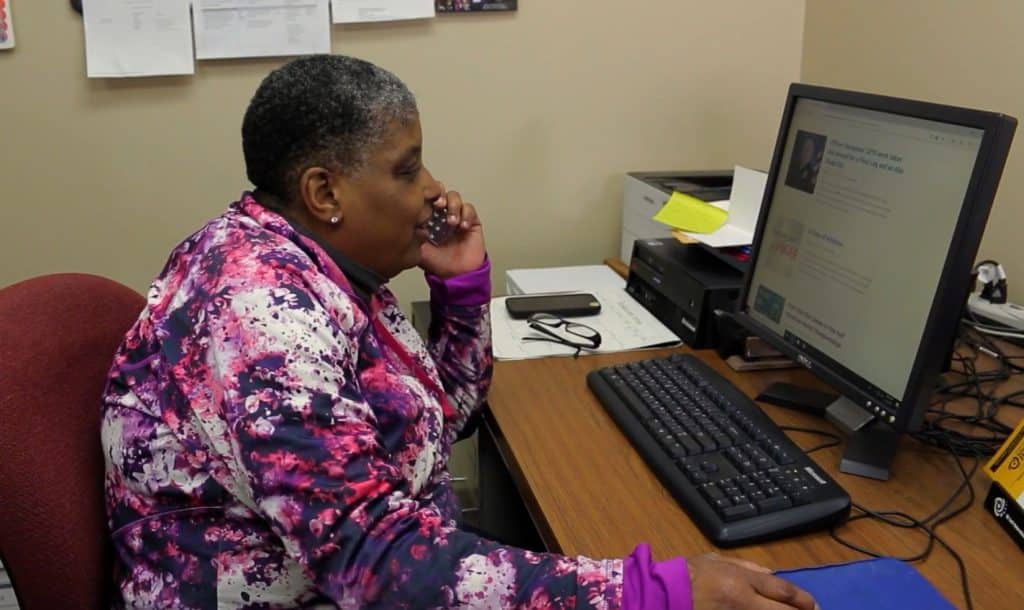
Susan Borri’s inspiring documentary short premieres locally at the Wisconsin Film Festival on April 5.
Cindy Bentley is something of a celebrity in Wisconsin disability advocacy. She is currently working as the executive director of People First Wisconsin, and is the first person with a developmental disability to do so. Milwaukee filmmaker Susan Borri has collaborated with Bentley’s since 2010, when Borri created videos for the Wisconsin Board for People with Developmental Disabilities (WBPDD) about self-advocates in the state.
The two would go on to co-found WBPDD’s Self-Determination Channel, and the pair further this work in their newest 14-minute video, Choose The Pond (2024), which is screening as part of the 2025 Wisconsin Film Festival’s “Wisconsin’s Own: Portraits” program at the Chazen Museum of Art on Saturday, April 5, at 4 p.m.. At the time of this article’s publication, tickets are still available.
While Choose The Pond is a simple portrait of Bentley, it is one that speaks to the power of simplicity when showing what a person is capable of when given the resources to thrive. In interviews with Borri, Bentley details her life growing up in foster care, eventually living in a nursing home, and working at a sheltered workshop doing meaningless piecework. Eventually, Bentley connected with a social worker who helped her move out into her own apartment. Her life kept expanding from there, and she credits her participation in the Special Olympics in particular with boosting her self-esteem to the point that she eventually became a touring representative of the program.
In addition to being tremendously accomplished, Bentley is a funny and engaging presence on screen, qualities that have surely aided her in her current position. When Bentley gives the film its title by saying that we all should “choose the pond, not the fishbowl,” she speaks to the power of opening up someone’s world so that they can try, fail, and shape themselves in ways that are impossible in confined, controlled settings.
Bentley’s story is inspirational, of course, but the film thankfully avoids the objectifying pitfalls of “inspiration porn” by staying grounded in history and process, showing not just the special qualities of this one person but the way that structural changes were needed for this type of potential to flourish. As Bentley frames it, the problem of mass institutionalization is both a personal and financial one: personal in the way that nursing homes and psychiatric institutions are innately dehumanizing; and any reduction of their presence in the world gives way to more autonomy for those previously there. The problem is also financial, as these places suck up resources and reduce potential productivity for the people there.
In these ways, disability rights work carries a de-carceral ethic, a sense that discarding human beings is a material problem not just for said people but for society at large. It’s portraits like Choose The Pond that make institutionalization an evermore untenable process, simply by putting someone previously marginalized at the center of the frame and letting them tell their story.
We can publish more
“only on Tone Madison” stories —
but only with your support.
Author
Related Articles

Video: Talking 2025 Wisconsin Film Festival with Josiah Wampfler
A collaborative episode with OCA Media after recovering from festival fatigue in the wake of the 27th annual event, which was held from April 3 through 10.
Mortal and moral inquiries at the 2025 Wisconsin Film Festival
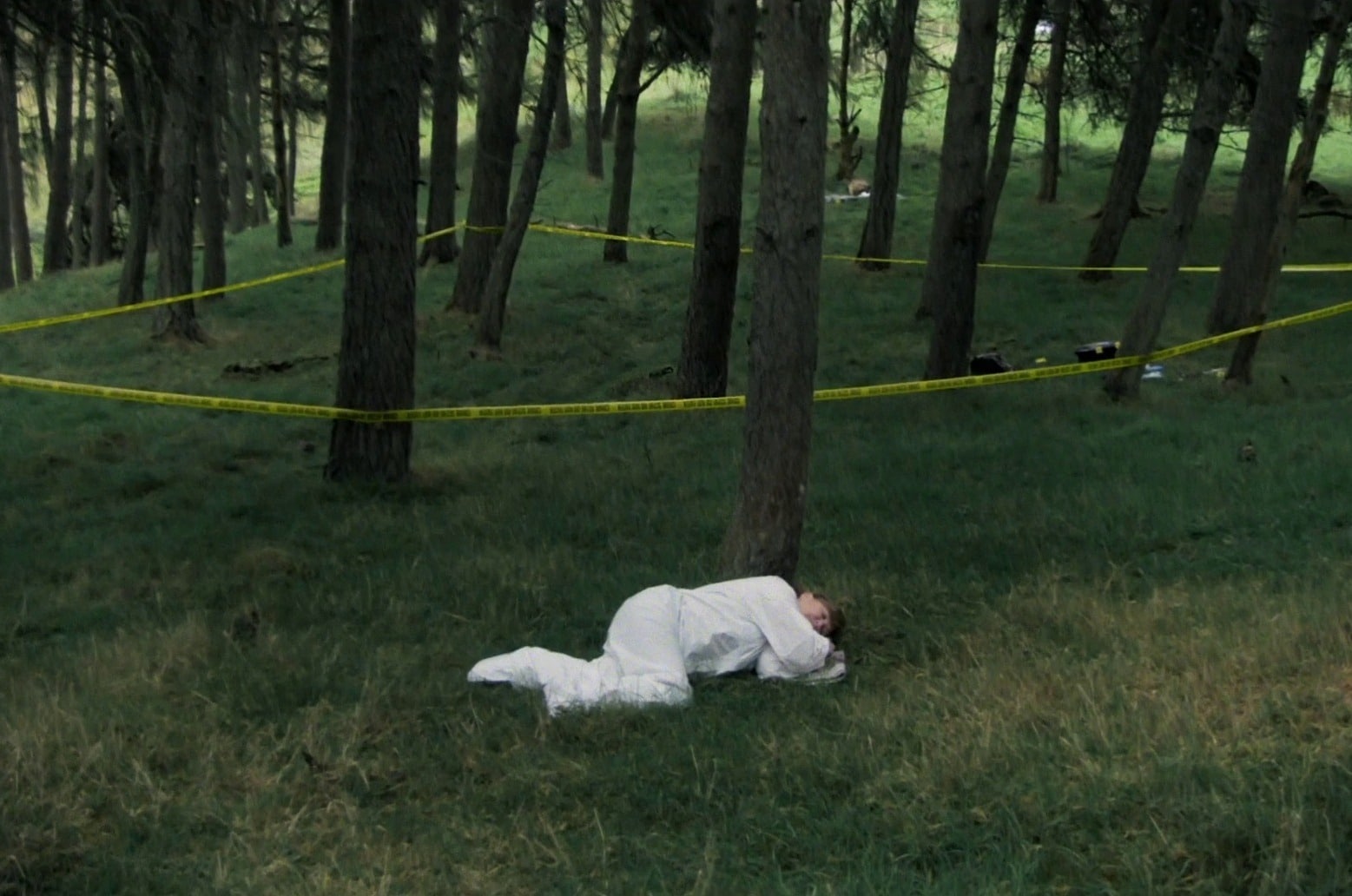
Our writers ponder four incisive, formidable documentaries (and essay films) screening as part of the fest from April 4 through 10.
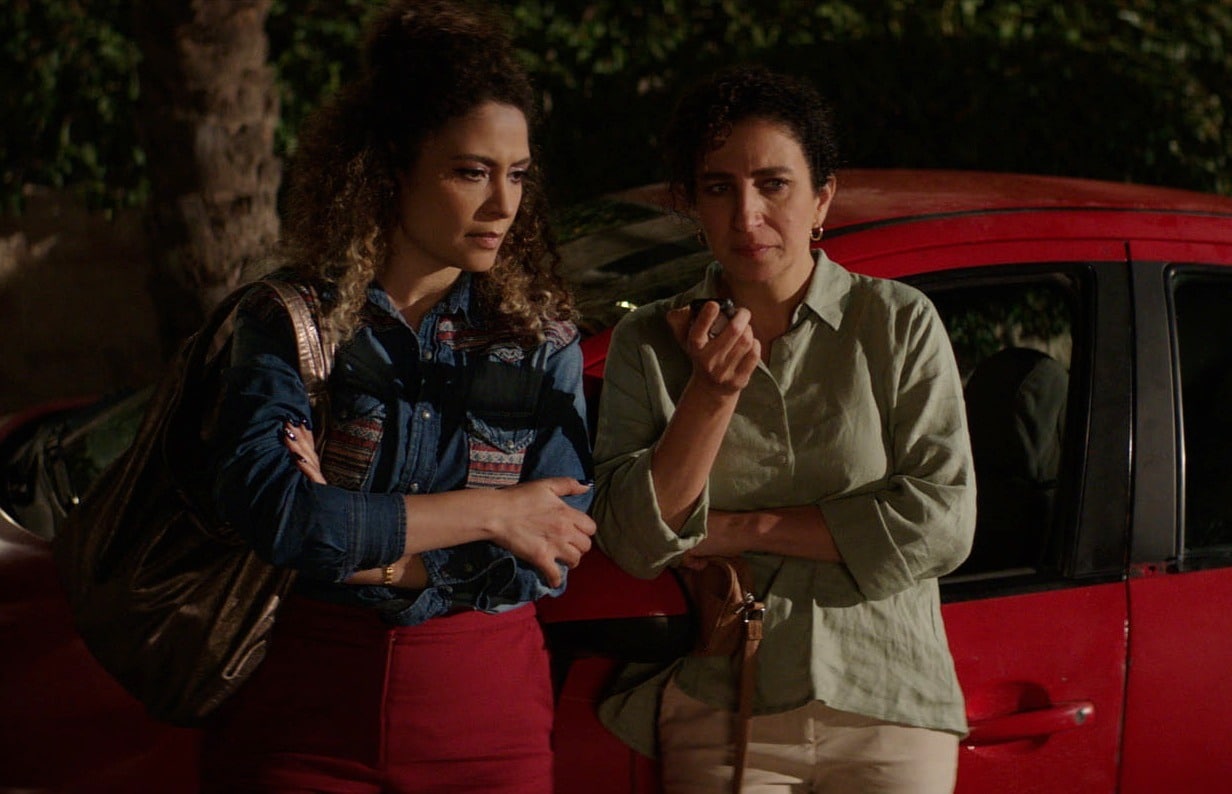
“Thank You For Banking With Us!” offers a rich, uplifting portrait of resistance to patriarchal oppression
The Palestinian dramedy by filmmaker and academic Laila Abbas premieres locally at the Wisconsin Film Festival on April 5 and 7.