
Blake Barit values raw technique as much as conceptual ambition in his experimental films
The locally based educator and filmmaker presents a program of his recent short-film works at Arts + Literature Laboratory as part of Mills Folly Microcinema on September 24.
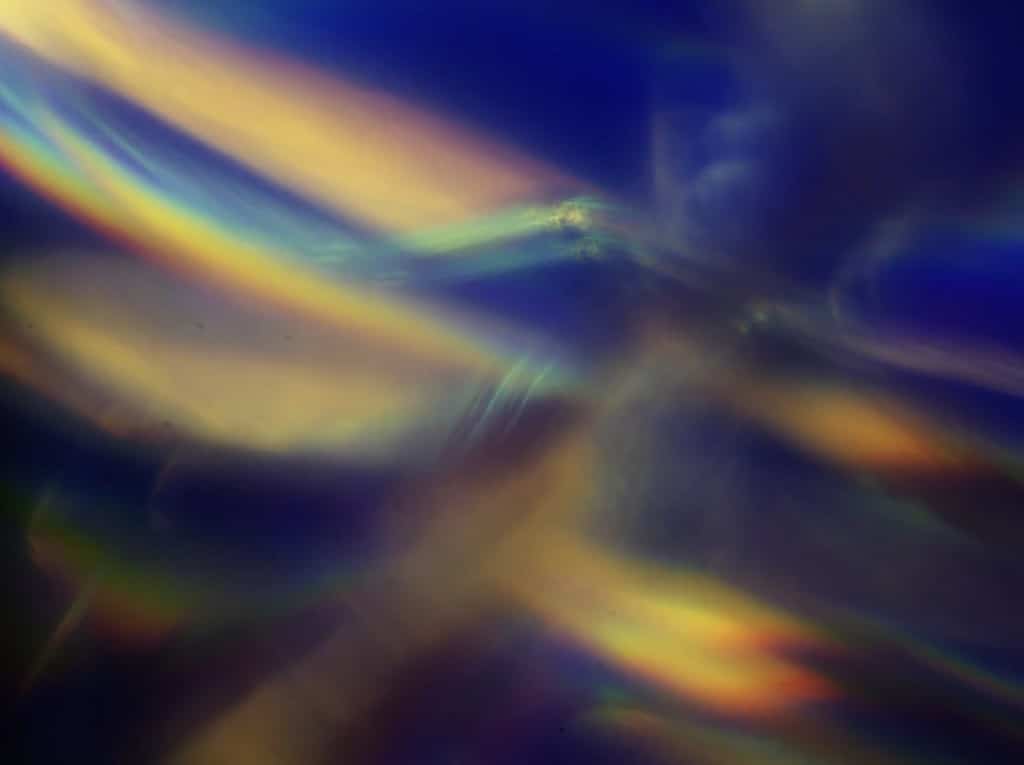
The life of an avant-garde cinema-goer is one of constant tension. On the one hand, the mode prizes rigorous conceptual frameworks and intellectual ambition, the stuff of academia and obscure theory; and, on the other, the mode can often just look plain cool, offering pure psychotronic pleasures for those who want to turn their brain off. Of course, these qualities aren’t mutually exclusive, but it’s rare that a viewer can find both in the same filmmaker or program.
However, the Madison-based Blake Barit is one such filmmaker who subverts expectations within this stylistic niche. Across just a short period in the last six years, he’s shown skill in a wide variety of experimental techniques, producing both hand-processed 16mm films and digital works that run the gamut from quasi-narrative, to essay, to abstraction. Covering so much ground may suggest a filmmaker finding his voice or struggling for a point of view. On the contrary, Barit seems equally assured in each mode, and has even found unique ways to synthesize them. He’ll be presenting at least 10 short films made between 2019 through 2024 during his 70-minute Mills Folly Microcinema program, “Digitalog,” at Arts + Literature Laboratory on Wednesday, September 24, at 7 p.m.
Earlier films like I Am The Darkness (2019) and Barrier (2021) each seem preoccupied with a sort of self-awareness of celluloid, almost anthropomorphizing the material by giving it a consciousness. Darkness is a structuralist piece where the celluloid is a character more literally, narrating itself through scratched-on words that make requests of the filmmaker; in Barrier, images of a woman alternate with bleach-etched versions that turn her face into an elaborate grid of unstable polygons, like the grains of the film are recognizing something human but straining to translate the form.
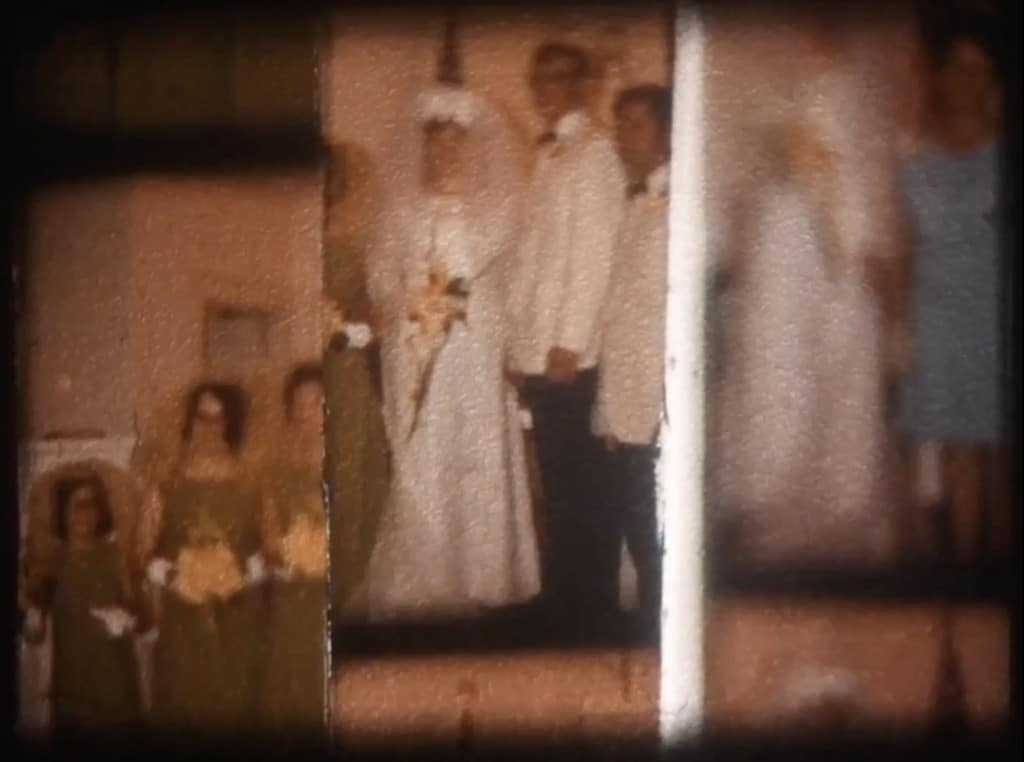
Elsewhere, Barit plums his own archives for more traditional found-footage works, like Scrapbook (2019) and his most recent Artifact (2024). Both of these still find room for novel visual treatments, with Scrapbook‘s family photos often obscured by glass surfaces and eventually burning. Artifact‘s archival reach is a little broader, mixing nature photography with the familial elements to eventually resolve with an image of a baby shrouded in saturated color and soft digital noise. While Artifact‘s imagery is further reaching, its concept is more straightforward than some of Barit’s other films, with voiceover narration and home-movie footage providing a short summation of human cultural evolution to this point.
And while his films aren’t always explicitly intertextual, many of them feel deliberately in conversation with other key works of the avant-garde as well as other modern film and music. Several films on the program build on the type of abstraction found in films by Jordan Belson and Nathaniel Dorsky, while Quest (2023) lifts a Yo La Tengo music cue from Kelly Reichardt’s 2006 feature, Old Joy. Even more straightforwardly essayistic works like Artifact and Access Granted (2023) share conceptual interests with something like Oneohtrix Point Never’s 2011 Replica album—speculative sci-fi presenting itself as a missive from the future describing our present as the distant past.
But for all its intellectual scaffolding, the work feels the most satisfying when the viewer can sink into its pure imagery. Whether it’s the Belson-like mandala that closes out Circle (2021) or the methodical focus-adjustments of Journey To Sunrise (2021) that create a sense of light constantly unfurling in place, the filmmaker has a unique eye for the type of imagery that just looks plain cool. They’re gorgeous reminders of the value of raw technique in experimental work, which Barit has in spades.
We can publish more
“only on Tone Madison” stories —
but only with your support.
Author
Related Articles
Three video artists tap into personal histories in the 150 Artists x 150 Years exhibition
Chele Isaac, Toby Kaufmann-Buhler, and Aaron Granat reveal the creative depths of their works, which are on display through February 28 at Central Library.
Video: Sizing up local screening events and prominent performances of 2025
A chat with Josiah Wampfler at OCA Media about our favorite movie-going experiences and acting roles of last year.
Stop spotlighting new films by known abusers
Madison boasts a dynamic movie culture, yet still needs programmers and community voices to facilitate change.