
Another perspective on Dairy Drive
Madison Common Council President Regina Vidaver responds to David Rivera-Kohr’s October 7 editorial.
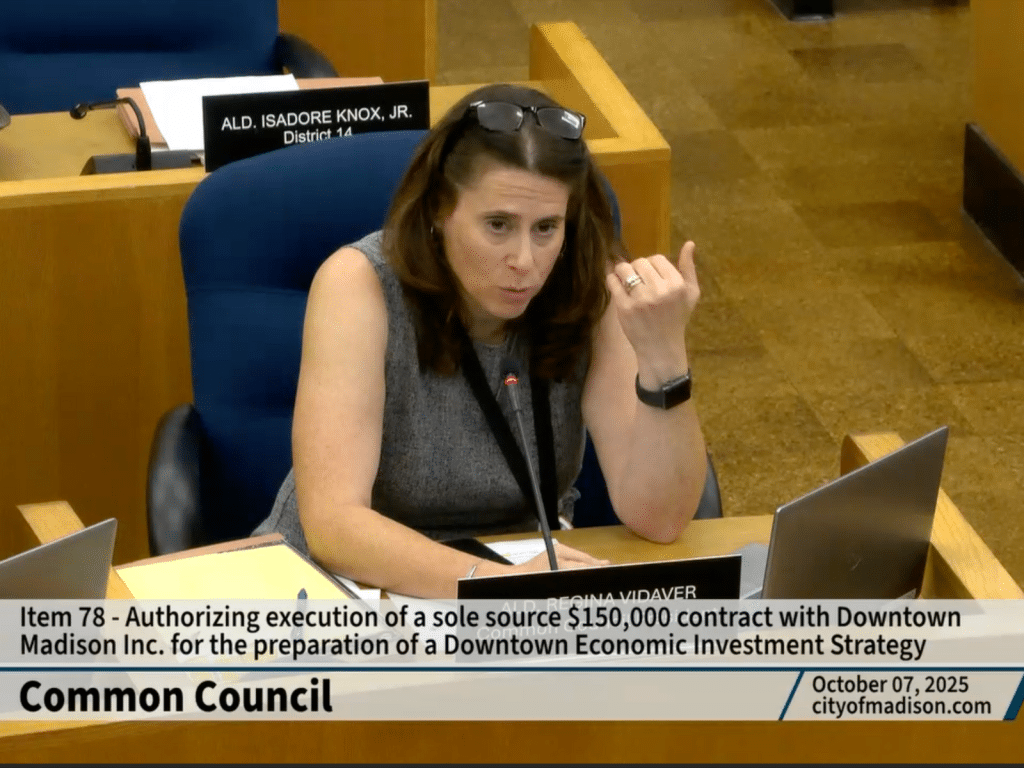
David Rivera-Kohr writes a compelling editorial holding Madison’s Alders—including me—accountable for our votes on the Dairy Drive campground. While it may be difficult for me and my colleagues to hear, these critical accounts of our actions are essential to maintaining our local democratic norms. I personally support Tone Madison financially because it’s so important to have local journalism that doesn’t whitewash situations and elevates varied perspectives. Nonetheless, I think it’s important for readers to hear different perspectives to better understand the complexity of the issues that are occurring in our community. Thus, I reached out to Tone Madison to see if they would be interested in hearing a different view.
First and foremost, I want to be clear: Dairy Drive was not Housing First. Housing First principles require permanent housing to be provided to the people experiencing homelessness prior to other needs being met. Dairy Drive was not, and was never intended to be, permanent. It was a campground. Yes, it was a campground with supportive services, but it was not an example of Housing First. The goal was always to help the campers at Dairy Drive find permanent housing—and many of them did. Some were unable or unwilling to move into permanent housing when it was made available, and the City is continuing to work with individuals to find positive solutions. However, the campground was never intended as a permanent housing site, and that was clear from the very beginning.
Rivera-Kohr also discounts the significant investment that the city’s 2026 budget includes for homelessness services. In addition to a historic $1.7 million investment in the new, purpose-built men’s shelter operations—up from $0 for shelter operations in 2019—the city is investing an additional $6 million in housing supports, financial resources, and assistance for those experiencing homelessness. Much of this funding goes to those organizations doing the work on the ground. Rivera-Kohr argues that a portion of that funding could have gone to the organization providing services at Dairy Drive, and that is true. But it wasn’t the Council or Mayor’s decision not to recommend that funding. Rather, it was the Community Development Block Grant Development Committee, a peer-review committee, that looked at the overall assemblage of services that could be supported by the funding available. And let’s be clear: the City’s allocation to social service provision is not the biggest player on the block—Dane County provides the bulk of support for social services in our community. Dane County Executive Melissa Agard has proposed a Human Services budget of $320 million for 2026. Compare that to the City of Madison’s total proposed 2026 operating budget of $452 million, and you can see that the responsibility for providing social services to our community rests largely on the County’s shoulders. And our County Board of Supervisors recognize their responsibility to our community. Many are calling for increased support for the men’s shelter from the County budget, which is sorely needed in order to make that undertaking successful.
Also missing from Rivera-Kohr’s commentary is the historic investment the city has made in affordable housing. Madison is now investing more than $10 million per year in the affordable housing fund, which has generated thousands of new homes available to those who earn less than 30% of the area median income (AMI). In addition, the Council has been creative in making more affordable student housing available, such as providing a bonus in the number of stories a new development can be, in return for a dedication to a significant number of affordable beds for students. Supporting affordable housing for students is necessary, since students drive much of the rental demand in the downtown area, and students who need more affordable housing often push out others who also share those needs. These investments in affordable housing are a crucial piece of the puzzle in addressing homelessness in our community long-term.
Rivera-Kohr provides one perspective of how the city budget should prioritize certain needs over others. As Alders, we get feedback expressing a variety of views, and one of them is from property owners who are deeply concerned about their rising property taxes. Many seniors write to us, suggesting they will lose their long-term homes if their taxes continue to rise. Should that happen, that will only increase our population of people with housing instability, which runs counter to all of our goals. This year’s City budget proposes the lowest increase in property taxes in 40 years. I hope we would all agree that’s a good thing for our community as a whole.
Keep holding us accountable. But please do so with curiosity rather than condemnation. Continue to interrogate the “why” behind our actions, and don’t let one—especially if incomplete—narrative define your perspective.
Who has power in Madison,
and what are they doing with it?
Help us create fiercely independent politics coverage that tracks power and policy.
Author

Related Articles
USRowing’s trans-exclusionary policies only divide us all
Amid institutional erasure of their autonomy, trans athletes deserve to be openly embraced by their teammates and representatives.
What do we owe each other?
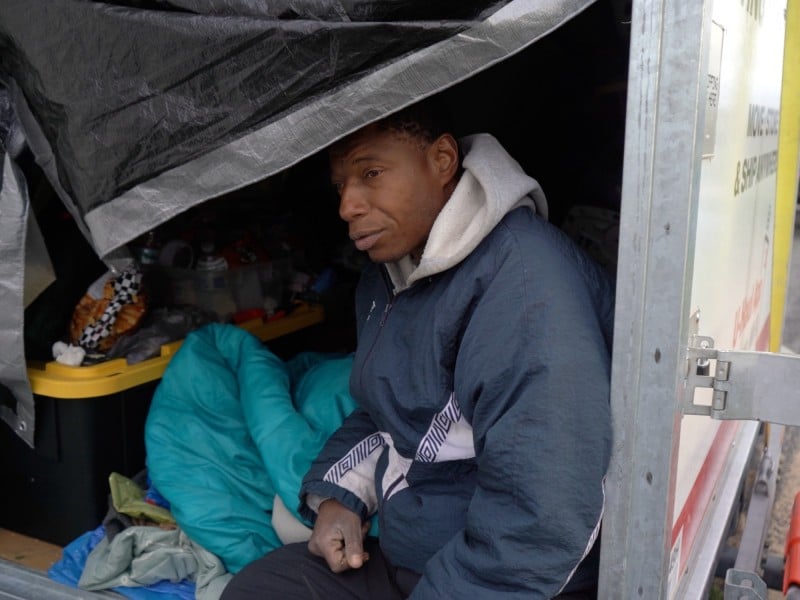
Reggie and Anne navigate life without housing after the closure of Dairy Drive.
The Madison “uniparty” is not oppressing you, because it’s not real
Local debates aren’t what they should be, but they’re not being crushed by the far left.