
An expanded look at Madison music throughout 2024
The third entry in our live music photo essay series places the focus back on Madison musicians and performances.

The third entry in our live music photo essay series places the focus back on Madison musicians and performances.

This is our newsletter-first column, Microtones. It runs on the site on Fridays, but you can get it in your inbox on Thursdays by signing up for our email newsletter.
Every year I make it a point to seek out and document local performances. As Tone Madison‘s music editor, I have an obligation to keep my eyes and ears on how our music landscape is developing on a year-to-year basis. But even if that weren’t the case, I’d still be seeking out local music and the performances happening in my city. Over 20 years ago, I was immersing myself in the local music of my hometown, Stevens Point. Around that same time, I played my first show. For decades, I’ve intentionally emphasized contributing to—and supporting—local music in ways that feel productive. Whether through direct participation as a musician, a journalist, a booker, or a documentarian, I put genuine effort into making sure local music was either being celebrated or sustained. That commitment has only strengthened over time.
Learning what works and what doesn’t can be instrumental to meaningfully supporting live local music. Apply what works, discard or outline what doesn’t, and make sure those messages are heard by the people controlling the levers of power when it comes to platforming decisions. A wrinkle emerges via a harsh reality: many of the most authentic showcases of appreciation, community, and musical talent are penalized, while the most calculated and detrimental business decisions are rewarded. When an interest in music and an interest in business are given equal weight (or the latter outstrips the former), no matter the reason, it creates an unmistakable tension that can act as an impediment to the fundamental joy of live music.


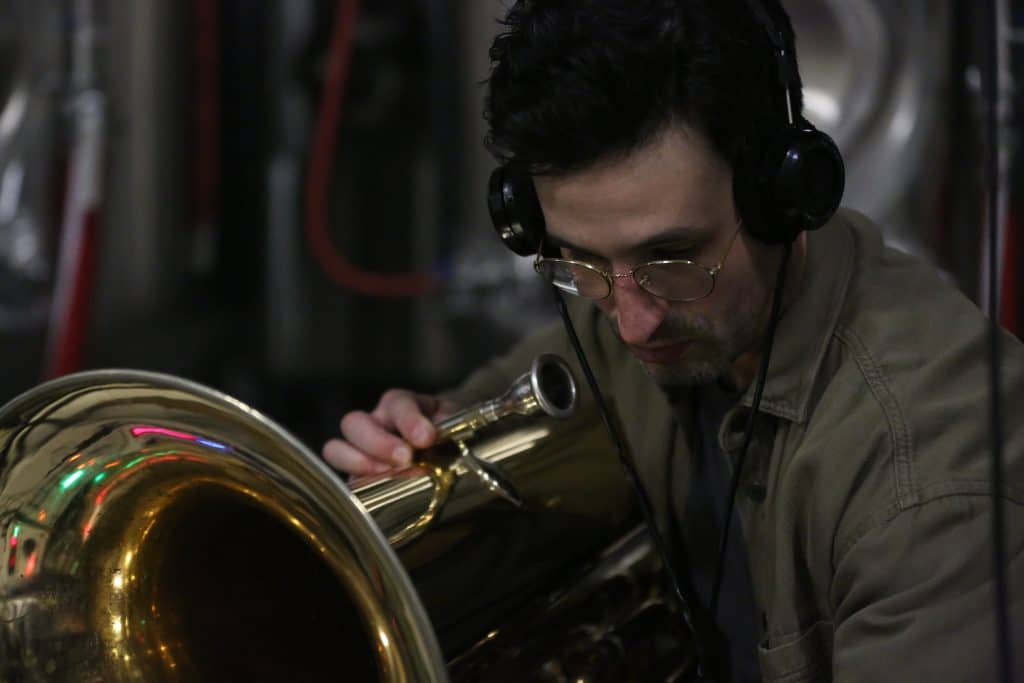
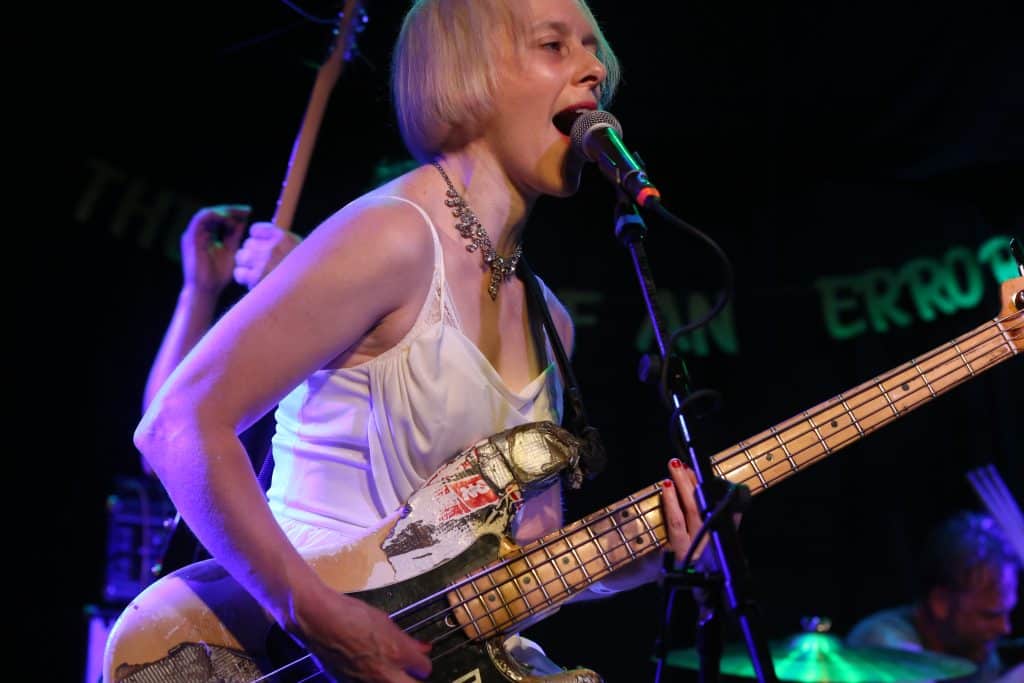


Live music can evoke a sublime, transcendent feeling in a way that distinguishes it from other art forms. That feeling remains the beating heart of the experience; a communal euphoria that rattles and reverberates throughout the body and sticks in the mind. I’ve experienced that feeling in Madison a handful of times, at established, long-running venues and fleeting underground venues alike. But 2024—despite a number of individual live music moments that produced a fraction of that feeling—wound up being a reminder that the city is still several floors beneath its figurative ceiling.
To be clear, this is no fault of Madison musicians, who continue to deliver memorable performances of superlative material. Nor is it the fault of the talented musicians who tour through Madison. But I found myself, for the first time in ages, looking forward to the shows happening in other cities more than the ones happening in my proverbial backyard. Two of the best sets I saw all year (from post-hardcore Florida act Gouge Away and NYC indie-pop quartet Charly Bliss) took place at X-Ray Arcade in Cudahy. And I greeted both with a level of excitement I hadn’t been able to muster for an assortment of my favorite bands’ Madison tour dates.
Despite attending a number of small-scale festivals in Madison throughout 2024—Marquette Waterfront, Atwood Fest, La Fête de Marquette, Willy Street Fair, etc.—the best small, local festival experiences I had were at GBUFO Festival in Green Bay and Yoop! Fest in Calumet, MI. [Full disclosure: My band played both festivals, though I’m not factoring that into what I experienced as a spectator.] A good bit of this result came down to a balance of intention and atmosphere. It also helps that the people responsible for those fests—Tom Smith and former Madisonian Chris Joutras, respectively—have long-documented histories of championing both independent music and independent business models. That matters, and leads to palpable impact that manifests in connective bonds.
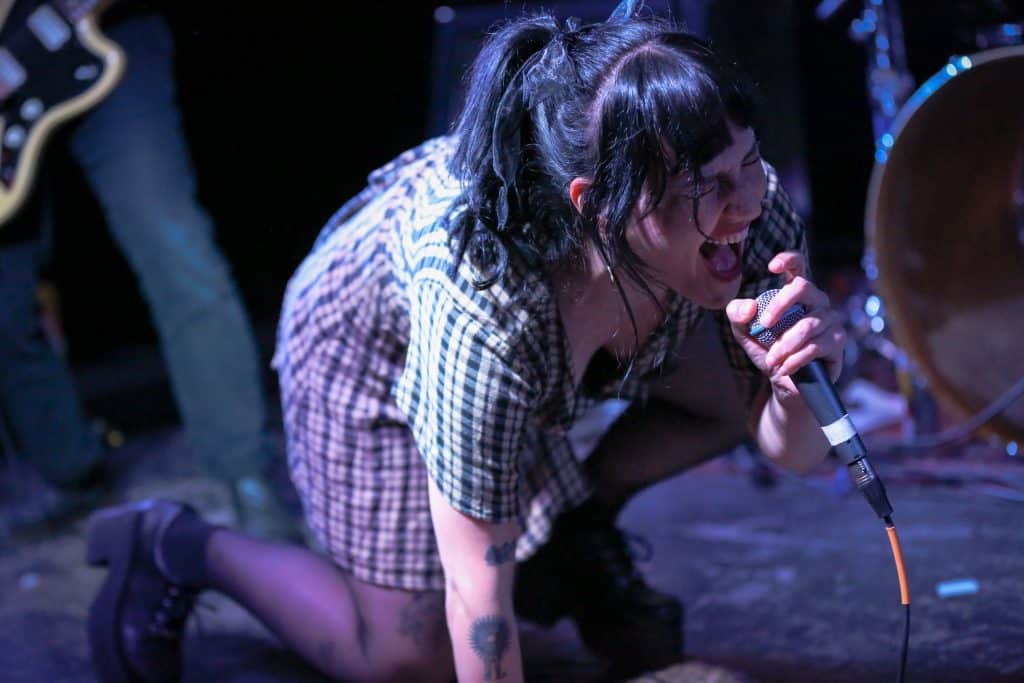
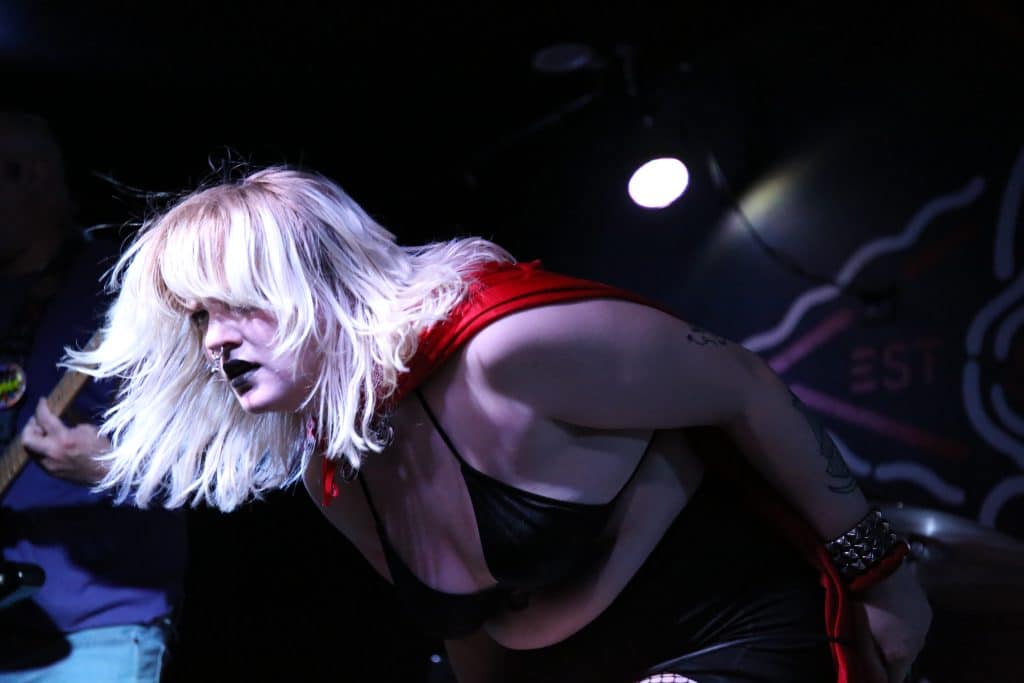


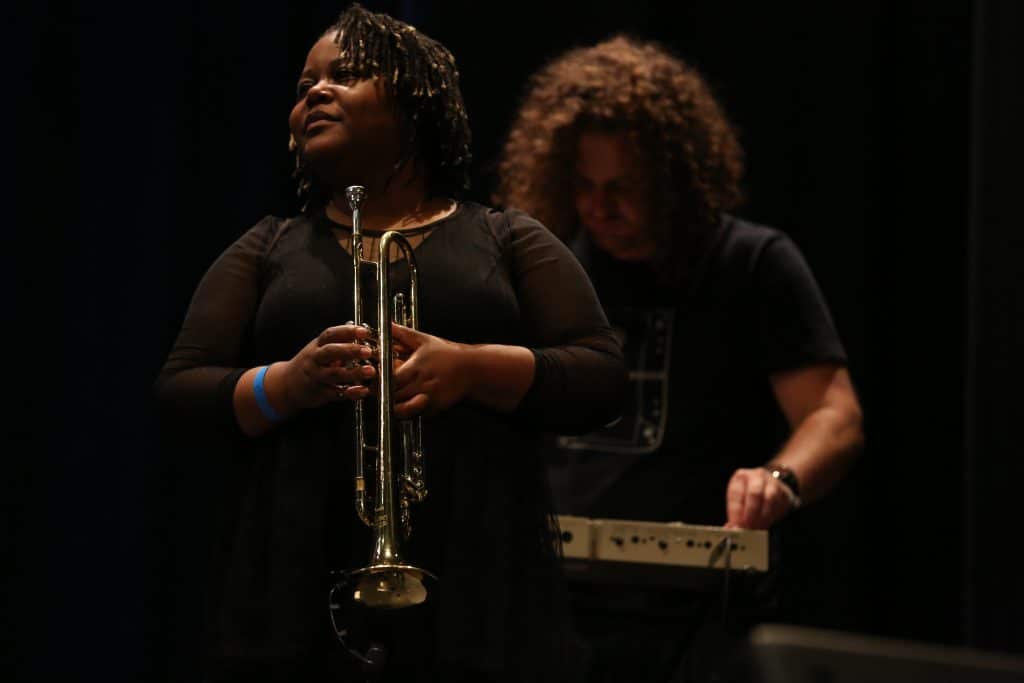


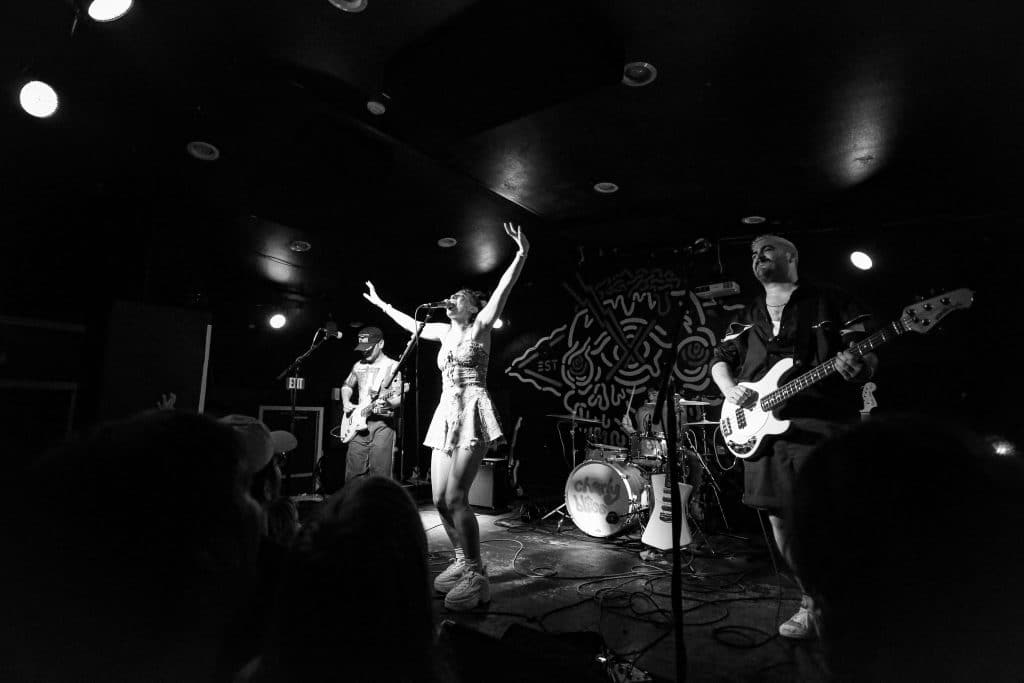
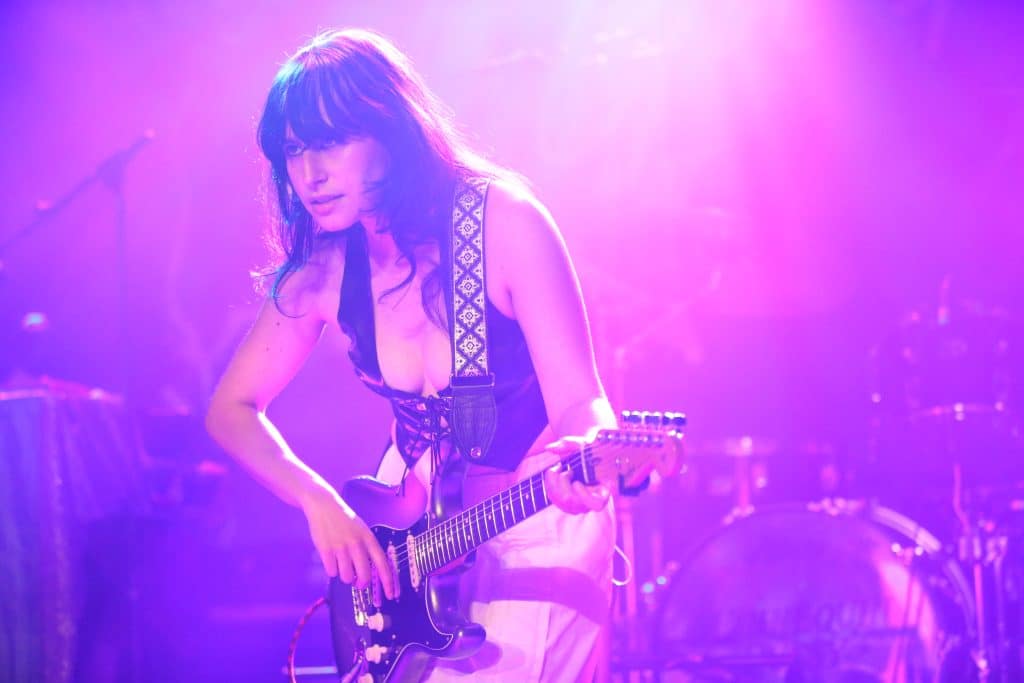
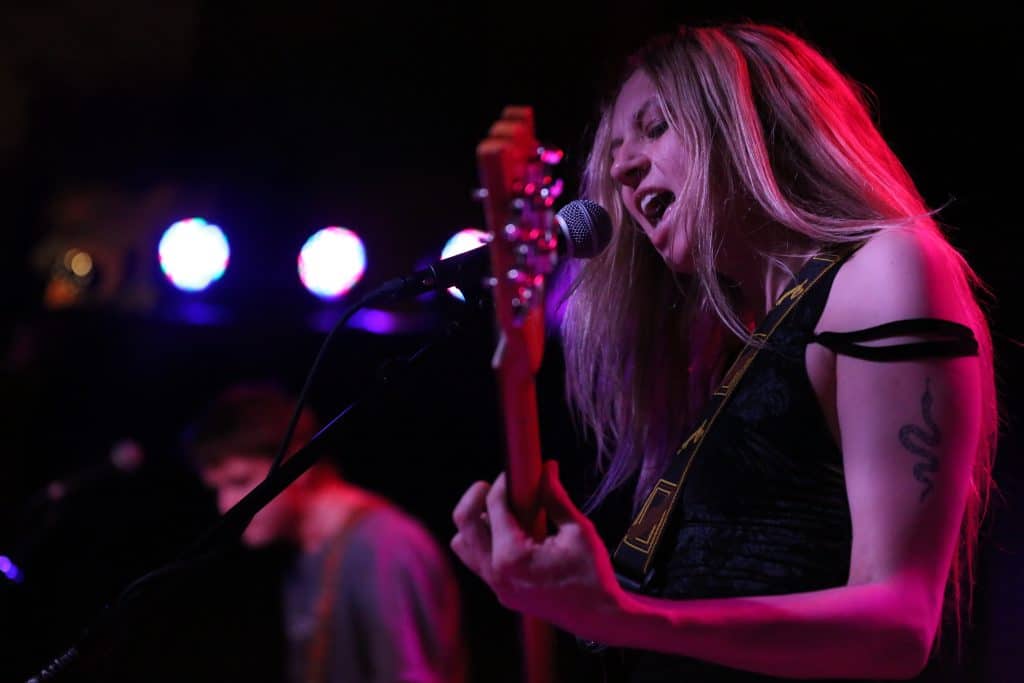
Despite all this, there were still a number of 2024 sets in Madison that delivered a portion of the rapture that has built me into a live-music evangelist. The impassioned, unrestrained politics of Soul Glo and Mannequin Pussy‘s sets at The Majestic informed—and were reflected by—the most enthusiastic and emotional response from a Madison crowd I saw all year. Proud Parents‘ farewell show was a rowdy, bittersweet moment honoring around a decade’s worth of history with gusto and panache. Sets from Dad Bods and Hottt Probs stood out as searing examples of formidable emerging acts finding confidence in their artistic voice (and the galvanizing, unbridled energy that accompanies that stage of development). And the sets carisa, Avoidancepolicy, and Fred Really delivered for Tone Madison‘s 10th anniversary party meant the world to both myself and this publication. Leslie Damaso and Mr. Chair‘s show at Olbrich Botanical Gardens was a breath of fresh air.
Wonderporium‘s release party at Giant Jones Brewing Company was a mesmeric, transportive run of ambient improvisation. The Spine Stealers‘ midday Atwood Fest set on a scorchingly hot late-July Saturday acted as a strong testament to the duo’s seemingly innate ability to produce achingly beautiful indie-folk, while also helping attendees to temporarily forget about the heat. Pulverizing sets from hard-hitting punk duos Lung and Noun highlighted a particularly enjoyable night at Mickey’s Tavern. An array of punk-informed indie-rock bands—Cloud Nothings, Pedro The Lion, and Melt-Banana chief among them—helped me remember why I still have a soft spot for the High Noon Saloon. (And Interlay‘s return to Madison for the Wisconsin release show of their Hunting Jacket EP had High Noon Saloon operating at peak form.) Rosie Tucker played a loose-but-inspired set to a dispiritingly under-attended crowd on the Memorial Union Terrace. Damsel Trash‘s 10th anniversary show at Harmony Bar & Grill was a hearteningly potent reminder of what genuinely supportive communities can achieve together.

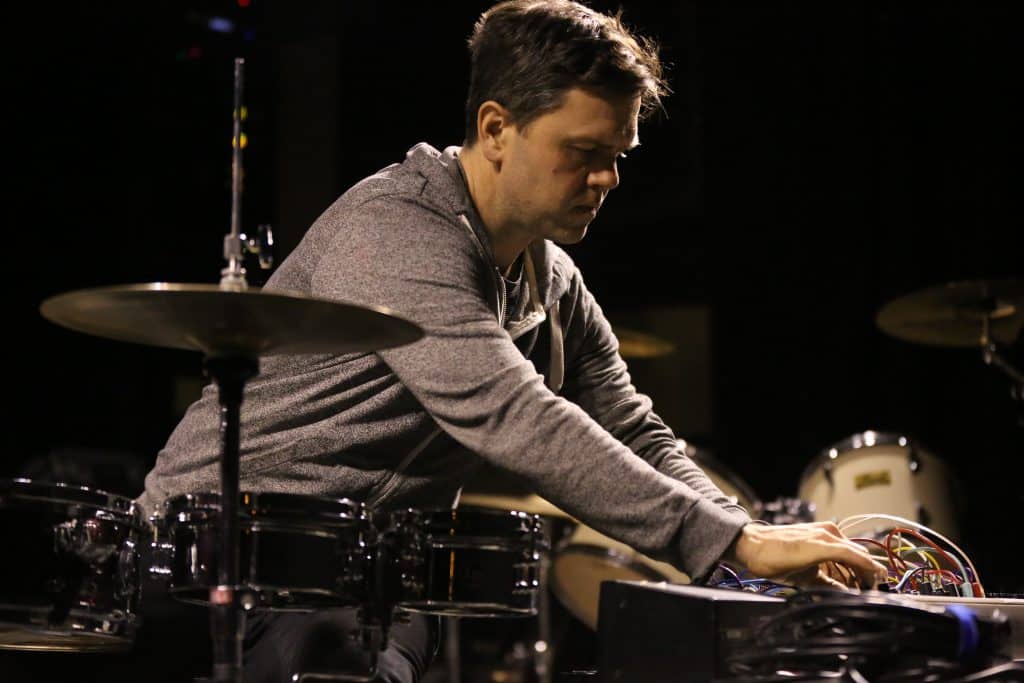


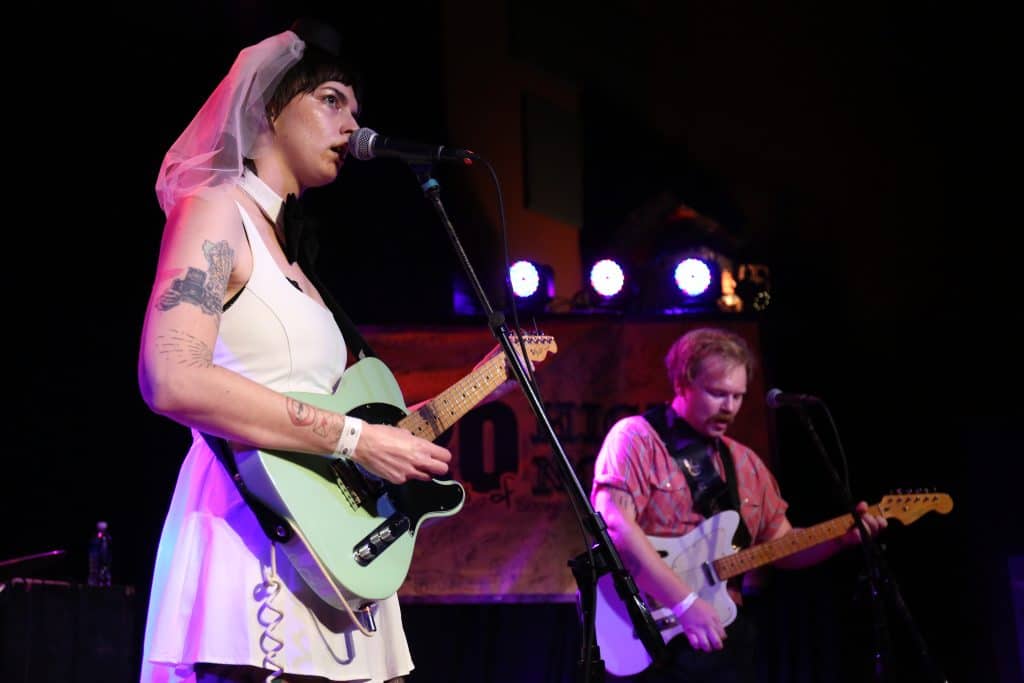

So, where is the disconnect? Is it in the hands of the executive-level functionality of bigger venues? It’s probable, though that tide may be starting to shift for the better. Kevin Willmott II opened Gamma Ray Bar in an effort to restore the building that formerly housed The Frequency to its past glory. Both the venue and Willmott’s leadership have been a blessing, and the venue has restored some balance between the city’s more visible playing spots and a demonstrable commitment to local musicians. That balance has been an uneasy one over the past decade, which has wrought various forms of disconnect or disenfranchisement that don’t adequately showcase the breadth of Madison music. This can, in part, be attributed to the way the vast majority of Madison’s most prominent music venues are beholden to the international corporate business models of Live Nation (a number of which were explicitly called out in a federal antitrust lawsuit).
But it’s not just due to the nature of Live Nation’s executive functions. Part of an increasingly frustrating stagnancy also rests in the hands of bookers for the smaller local festivals, who run ideologically identical bills year after year for annual city events—something that certainly isn’t a new problem for Madison—depriving local audiences of an advancement of artistic diversity. But those decisions also extend out to a larger problem: the support structure for live music doesn’t exist at the level it should for a market as prominent as Madison. While it’s fair to acknowledge Madison is smaller than Milwaukee, much smaller than Chicago, and not even comparable to Brooklyn, NY (the three markets where I’ve spent the most time over the course of my adult life), its size doesn’t excuse its tendency to fall prey to avoidable pitfalls. The city has struggled to right itself when it comes to honoring the efforts of the city’s local musicians, despite having a number of critical resources that could easily be leveraged into a more hospitable landscape. It’s no surprise a number of local acts leave for other cities after finding a measure of success; supportive infrastructure is key to meaningful advancements.

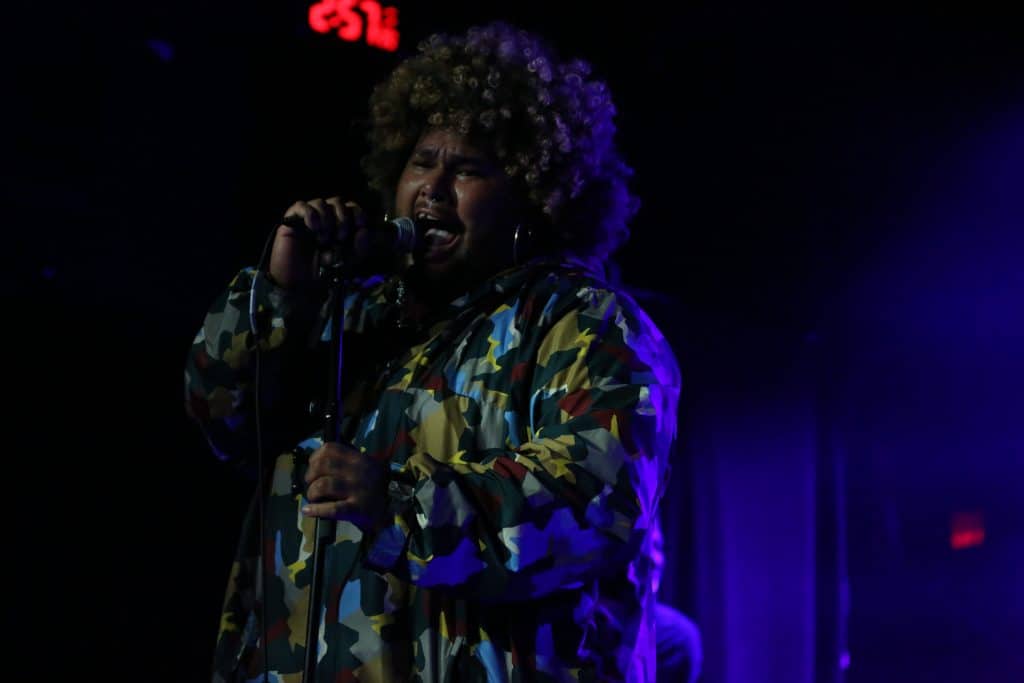
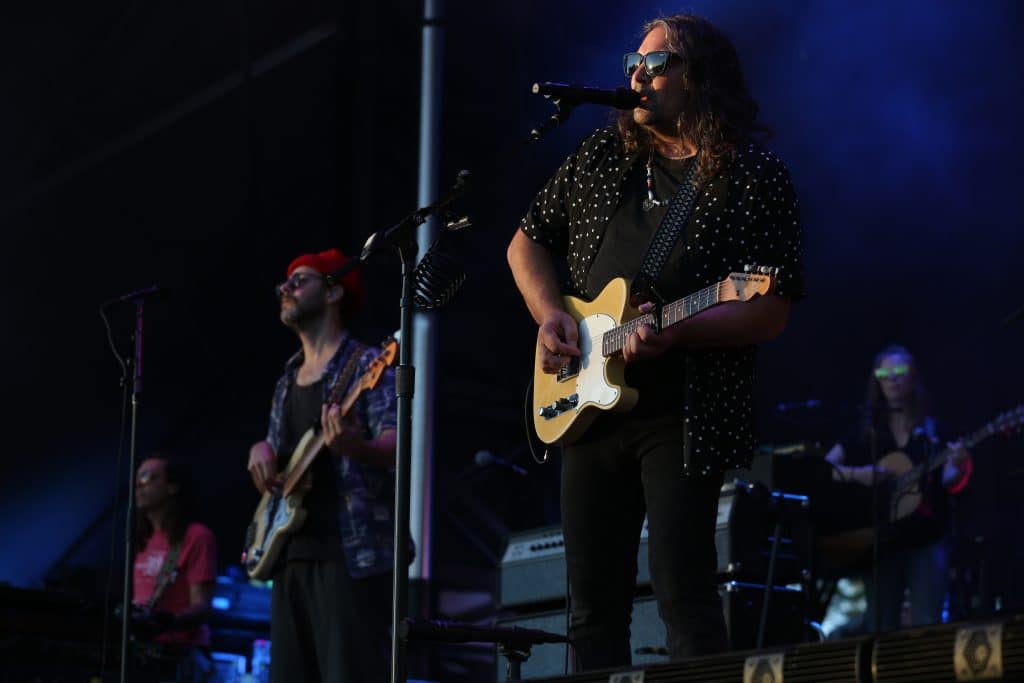
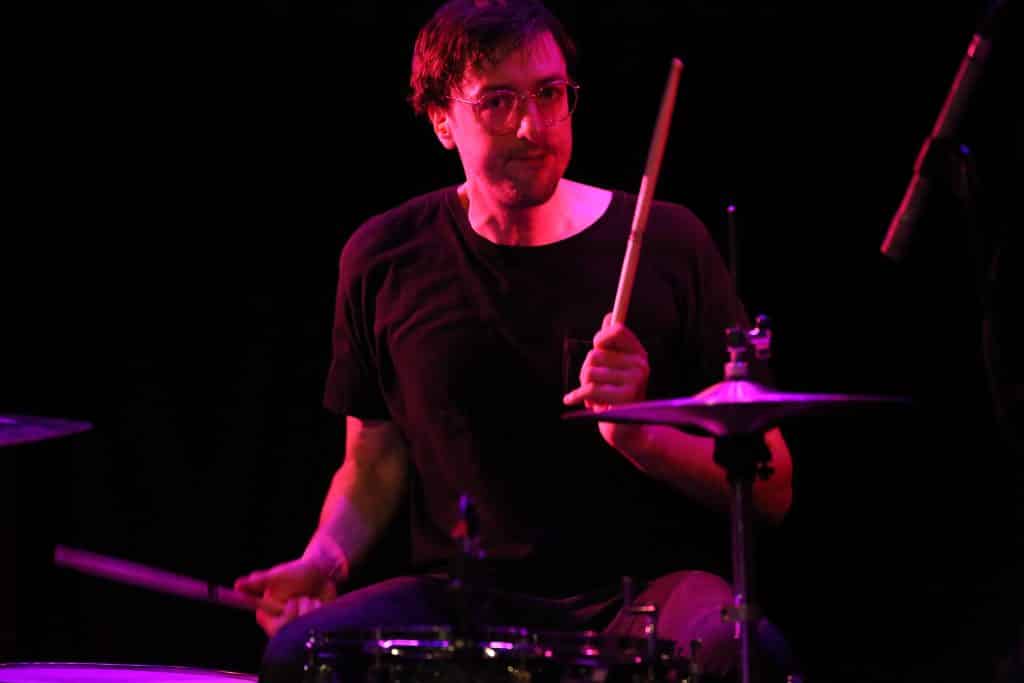
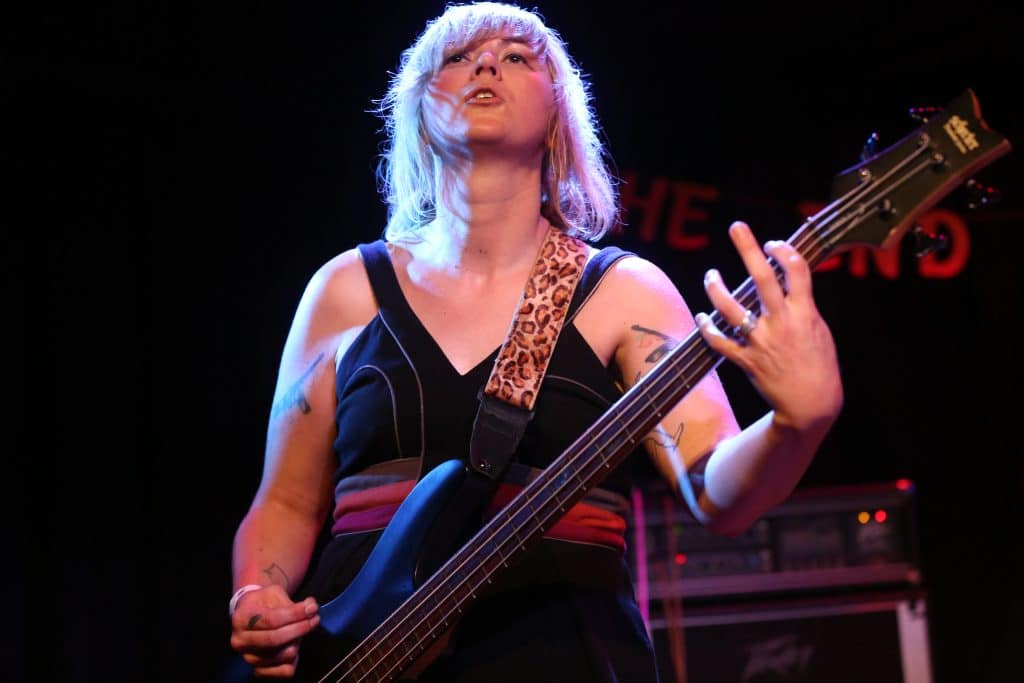
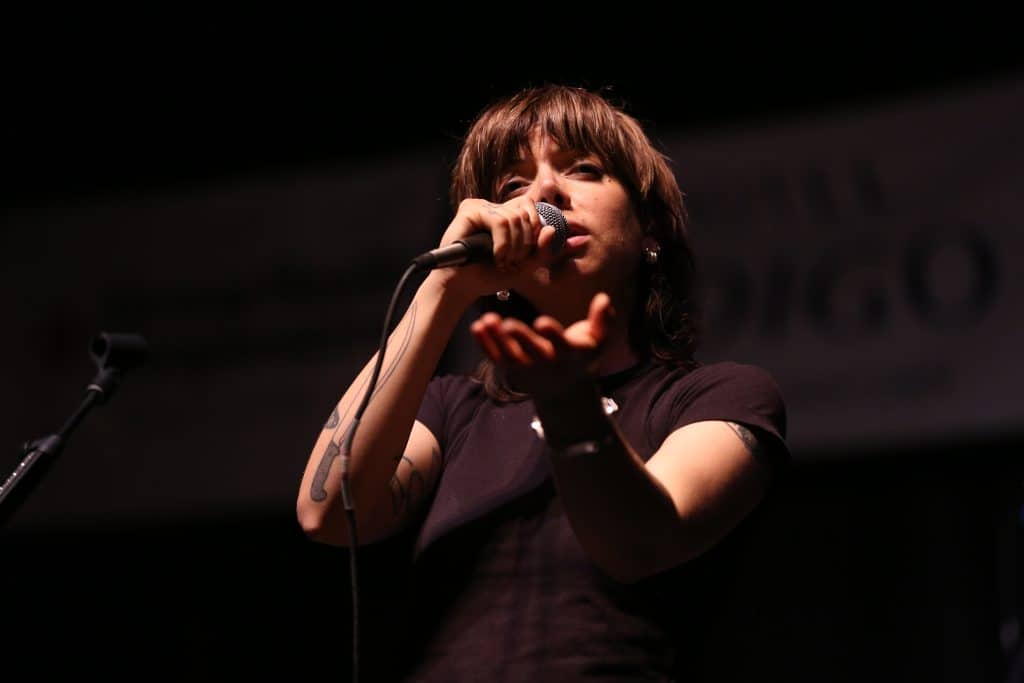
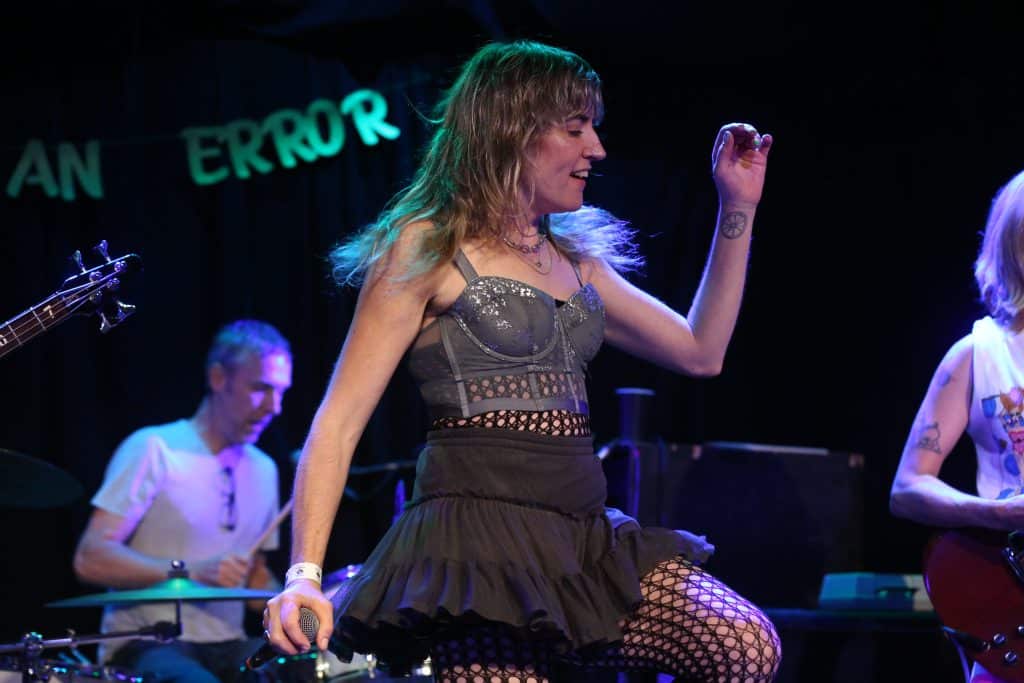
Audiences can’t do much at the ground level to fix any of this, beyond petitioning the city to continue to engage in efforts to increase arts funding. Even then, there is no guarantee that funding will be properly allocated, as we’ve seen in the past. What we can always do, however, is be conscientious of the placement of our support. If you go see a national headliner that has no local openers, consider going to a few local shows to extend your support more locally. If you hear a record from a local act you love, buy it directly from the artist and direct the attention of your friends toward the band. Buy that band’s merch as it becomes available. Become a champion for work that exists on the local scale, because that support is going to mean exponentially more to that band than an individual ticket sale for a band selling out a venue with a capacity in the thousands.
I legitimately enjoyed seeing Alvvays and Waxahatchee at The Sylvee. I enjoyed seeing The National at Breese Stevens Field. But those shows didn’t wind up sticking with me or eliciting wellsprings of emotional response. Shows at smaller venues had no such issues. When it came to “bigger” venues, the most memorable required a short trip out of Madison: Haley Heynderickx and The Westerlies‘ set at the 475-capacity Stoughton Opera House. Heynderickx and The Westerlies combined for a night that was teeming with the type of breathtaking moments that lead to long, slow exhales. Even still, I felt a sense of slight removal that doesn’t typically exist at smaller venues. The shows where I felt the strongest sense of connection in 2024 were exclusively in the smaller, independent-run venues. That’s no coincidence. And while it’s possible to attain that sense of connection at larger venues, it takes the type of circumstances and concentrated behind-the-scenes executive effort that has been eluding Madison for years.
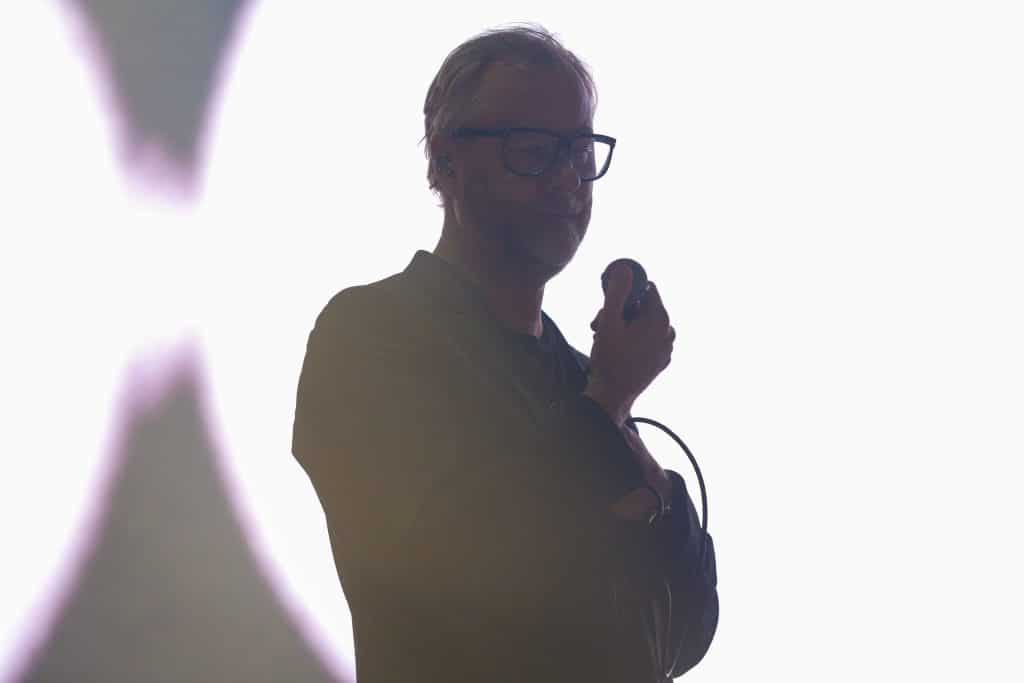
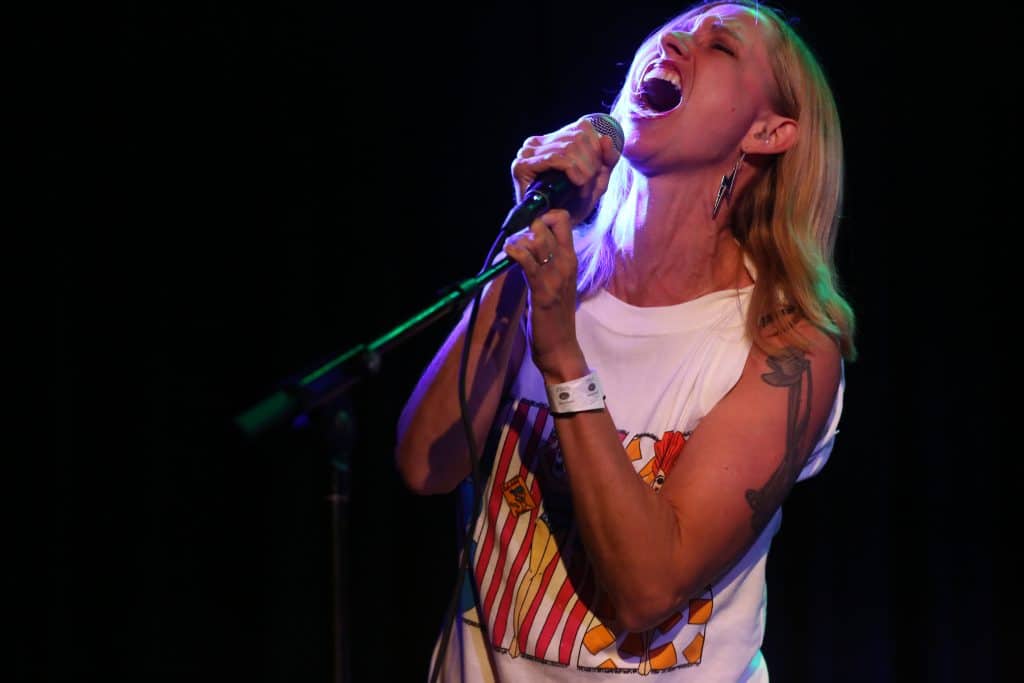
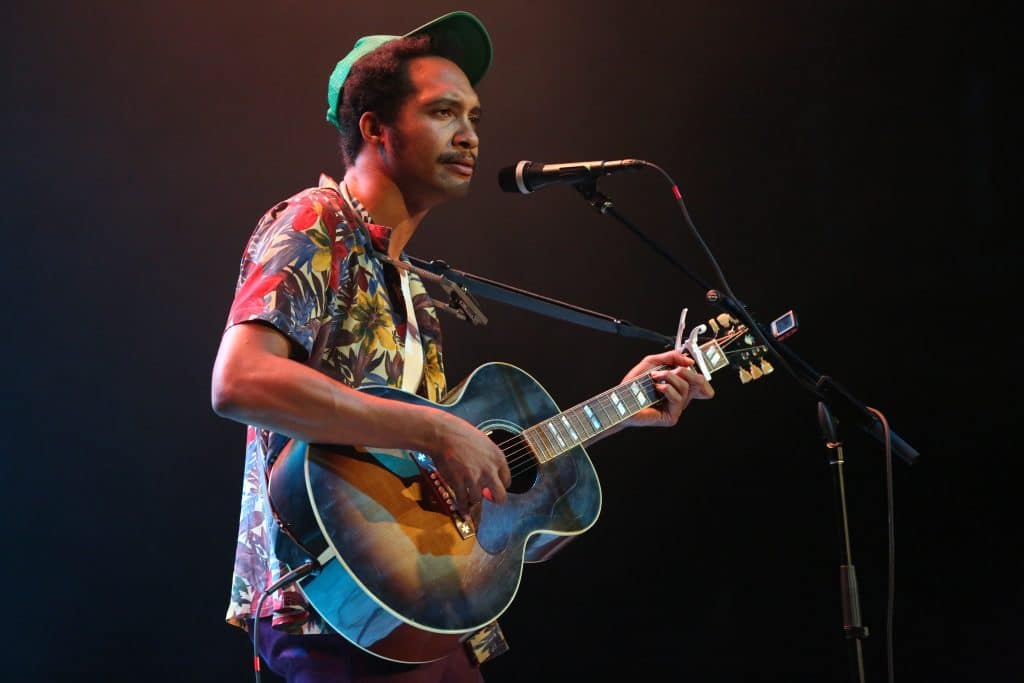

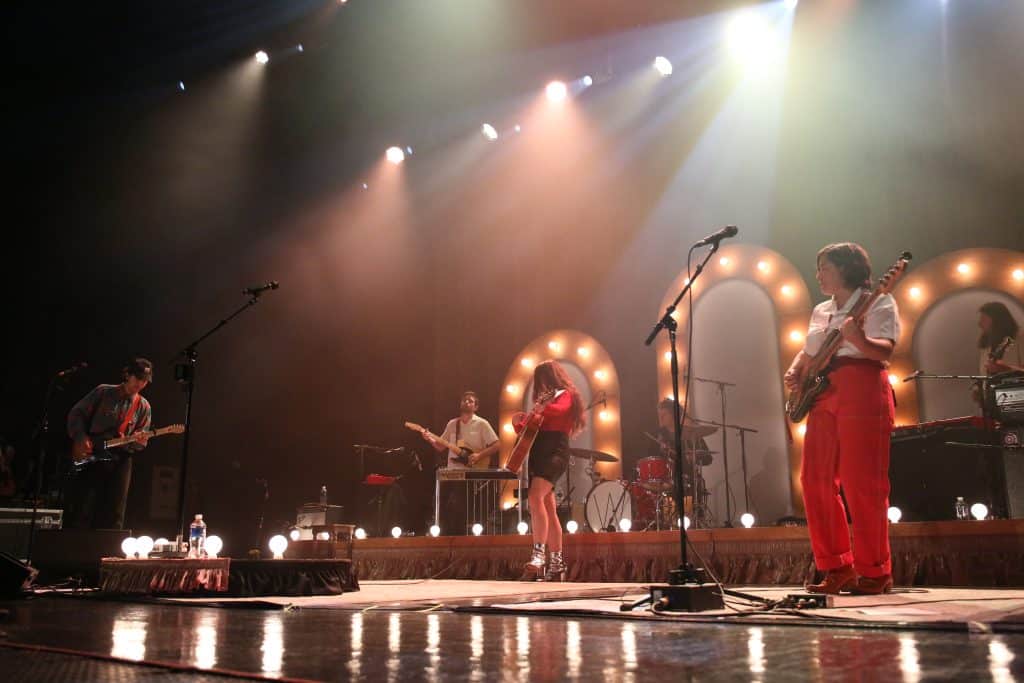
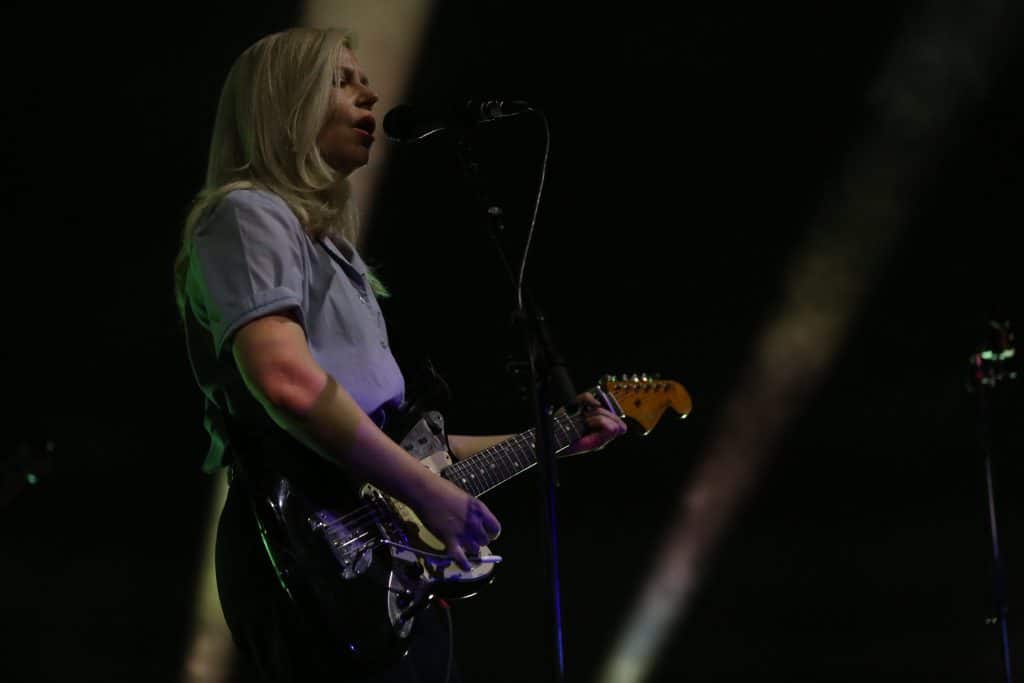

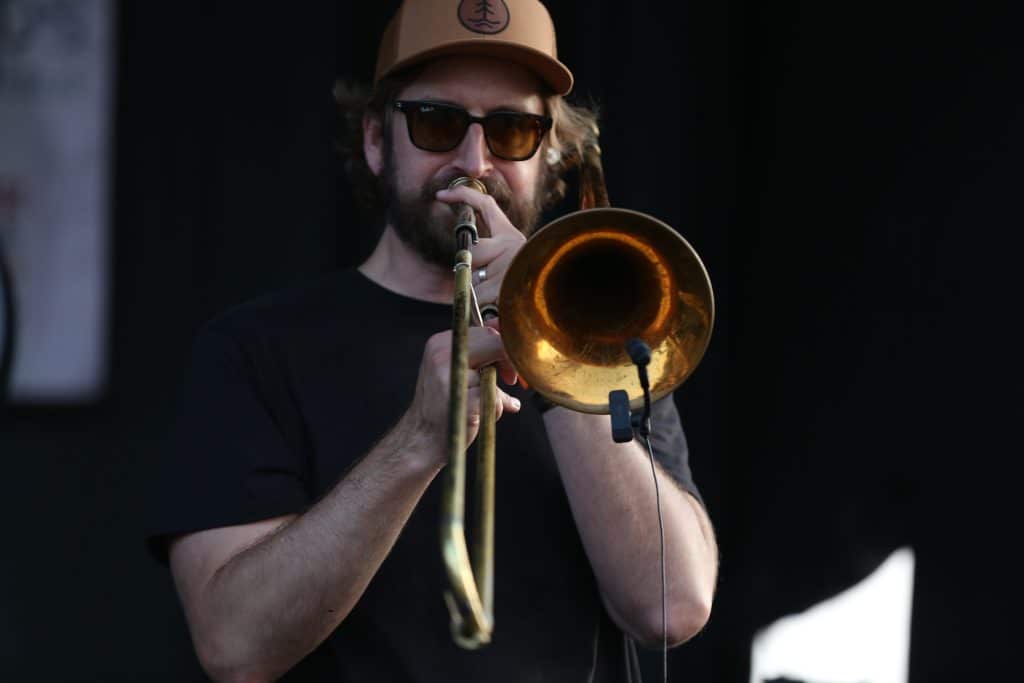
I didn’t bring my camera to every show I attended in 2024, so a few of the aforementioned shows won’t be in the expanded Flickr gallery. But they deserve mention nonetheless. Live music, at any level of exposure, deserves to be showcased. Live music can provide comfort, meaning, reprieve, and fulfillment. It can provide foundational memories and a strengthening of community. It’s up to us, as a collective, to make sure that we are appropriately honoring the contributions of the musicians who continue to shape our culture. And it’s up to us to make sure that culture is one that’s both equitable and maximally beneficial. Tone Madison will continue to fight for this future. I will continue to fight for this future. And I’ll continue to document the moments that remind me of why I’m fighting in the first place.
The full Flickr gallery can be accessed here.
We can publish more
“only on Tone Madison” stories —
but only with your support.
Author

Related Articles
Achieving a broader focus through music photojournalism in 2025
The fourth installment of our live music photo essay series centers a more personal vantage point.
Tone Madison’s favorite records of 2025
A celebration of 20 local releases that defined the year.
Madison’s musical odds and ends of 2025
A meditation on the past year’s musical margins.