
The lovesick silliness of “Shanghai Blues” turns exhilaratingly bittersweet
Tsui Hark’s lively romantic comedy from 1984 screens in a new 4K restoration at the Wisconsin Film Festival on April 7 and 10.
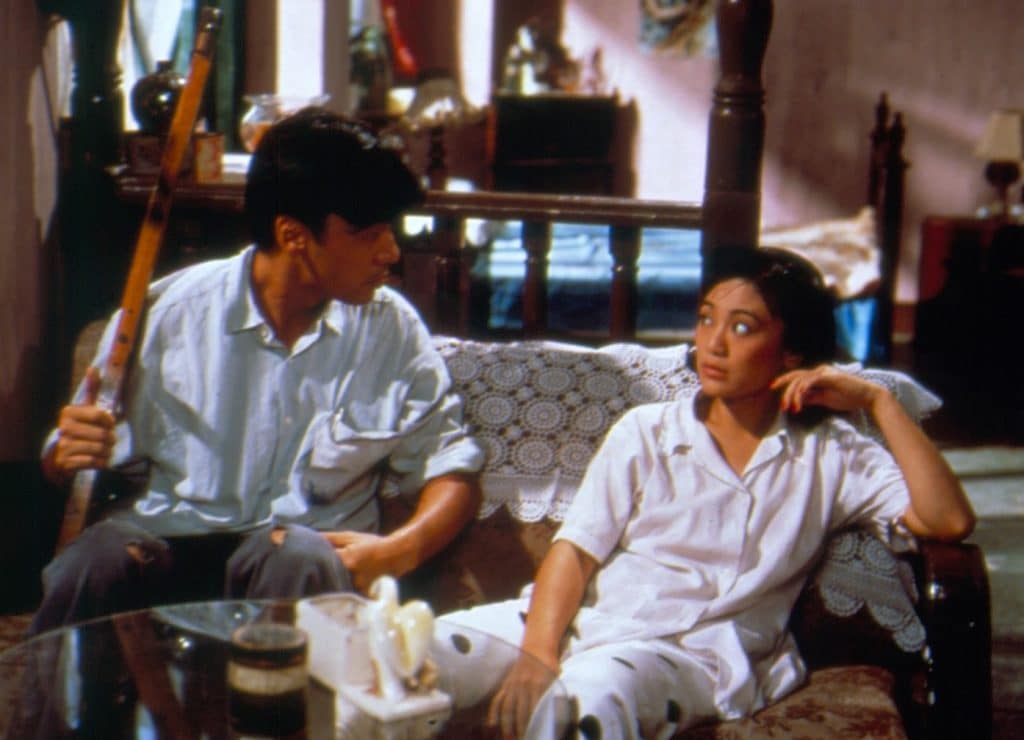
Tsui Hark’s lively romantic comedy from 1984 screens in a new 4K restoration at the Wisconsin Film Festival on April 7 and 10.
In director and producer Tsui Hark’s vast filmography, Shanghai Blues, the 1984 romantic comedy filled with effervescent musical numbers and irreverent slapstick, is an overlooked treasure. Though Tsui is best known internationally for his martial arts and action films, he is one of Hong Kong cinema’s most innovative and versatile mavericks.
This long-unavailable, loving tribute to classic Technicolor musicals, screwball comedies, and the socially conscious films of golden-age Shanghai cinema has been newly restored in 4K resolution. It will be screening twice as part of the 2025 Wisconsin Film Festival—on Monday, April 7, at 7 p.m. and Thursday, April 10, at 6:15 p.m. at Flix Brewhouse. At the time of this article’s publication, only “rush” tickets are available in person at the door for April 7, but advance tickets still remain for April 10.
The film opens as Tung (Kenny Bee) and Shu-Shu (Sylvia Chang) shelter under a bridge during the Japanese invasion of Shanghai in 1937, and fall in love as the city burns around them. They vow to reunite after the war, but neither of them knows the other’s name or face. Ten years later, their paths cross when struggling musician Tung moves into the room above Shu-Shu, now a jaded cabaret singer. This inadvertently ignites an absurdist love triangle with her country-bumpkin roommate Stool (Sally Yeh).
Post-war Shanghai’s desperate reality of rampant poverty and hunger is softened by Tsui’s manic comedic sensibilities. A scene of police sweeping a camp of homeless veterans is transformed into an intricately choreographed madcap melee, and Stool and Shu-Shu’s first meeting is played for laughs as both mistakenly think the other is about to commit suicide. Tsui was quite adept at physical comedy himself, and much of Shanghai Blues‘ runtime is dedicated to slapstick gags like Tung repeatedly clobbering people with a sousaphone.
Shanghai Blues was the first film in which Tsui, at Chang’s suggestion, began to prioritize his female characters’ development, and much of the film’s success relies on Chang and Yeh’s fully committed performances. Stool, played with googly-eyed naiveté by Yeh, upends Shu-Shu’s life; but their screwball silliness turns serious in a bittersweet climax reminiscent of The Apartment (1960), as they realize they’re both in love with the same guy.
For Shanghai Blues‘ 40th anniversary, Tsui and his longtime producer (also, ex-wife) Nansun Shi supervised a new 4K restoration from the original negative, making the film’s vibrant color palette and neon-drenched sets look truly dazzling. Tsui re-recorded the characters’ dialogue in Cantonese, Mandarin, and Shanghainese, reflecting the city of Shanghai’s cosmopolitan culture as well as his own immigrant background. This new restoration also removes a truly tasteless sequence in which Tung dons blackface for a job advertising an infamously racist brand of toothpaste.
Shanghai Blues was also the first film to be released by Film Workshop, Tsui and Shi’s independent company. Its success allowed the director to take bigger risks on his next projects. Along with his gender-bending follow-up Peking Opera Blues (1986) and the Once Upon A Time In China franchise (1991-1997), Tsui produced influential hits like John Woo’s classic gangster movies and Tony Ching Siu-Tung’s A Chinese Ghost Story films (1987-1997), all bearing the fingerprints of the notoriously hands-on producer.
Tsui is still working today, though his CGI-heavy “main melody” blockbusters like Legends Of The Condor Heroes: The Gallants (2025) rarely match the dizzying highs of his earlier films. Tsui has stated in interviews that he doesn’t like to look back at his old films; but, with much of his back catalog finally freed from distribution limbo, it’s worthwhile for audiences to look back on spirited gems like Shanghai Blues so, hopefully, more of his films will get the retrospective treatment.
We can publish more
“only on Tone Madison” stories —
but only with your support.
Author

Related Articles

Video: Talking 2025 Wisconsin Film Festival with Josiah Wampfler
A collaborative episode with OCA Media after recovering from festival fatigue in the wake of the 27th annual event, which was held from April 3 through 10.
Mortal and moral inquiries at the 2025 Wisconsin Film Festival
Our writers ponder four incisive, formidable documentaries (and essay films) screening as part of the fest from April 4 through 10.
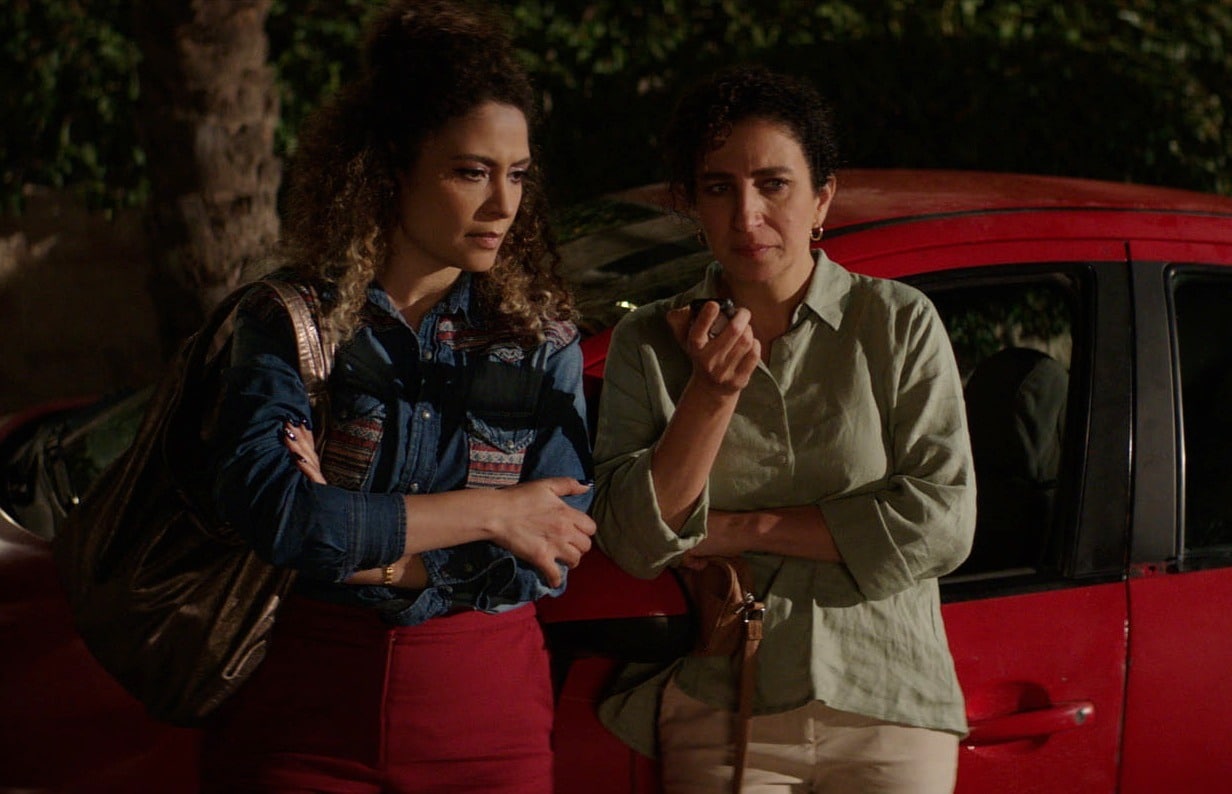
“Thank You For Banking With Us!” offers a rich, uplifting portrait of resistance to patriarchal oppression
The Palestinian dramedy by filmmaker and academic Laila Abbas premieres locally at the Wisconsin Film Festival on April 5 and 7.