
The generational trauma of “Nope” challenges audiences to engage more intellectually with its imagery
Jordan Peele’s alien-invasion horror-mystery screens at the Memorial Union Terrace on August 12.
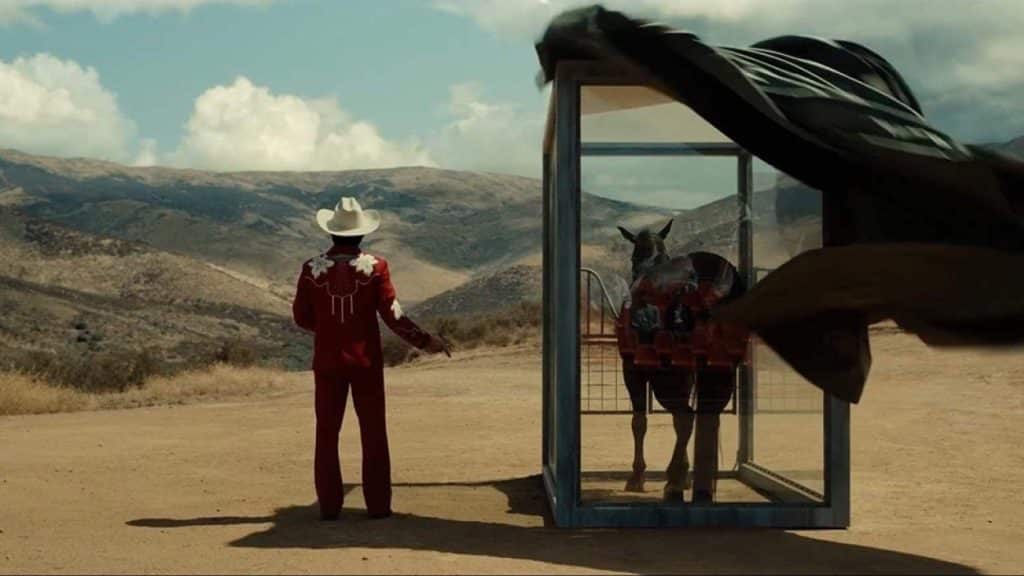
Jordan Peele’s alien-invasion horror-mystery screens at the Memorial Union Terrace on August 12.
Writer-director-comedian Jordan Peele quickly established himself as a horror auteur in the latter part of the 2010s with Get Out (2017) and Us (2019), even if Us was met with a mixed reception from audiences. But Nope (2022), screening at the Memorial Union Terrace on August 12 at 9 p.m., is something of a pivot for the director. Whereas his previous two efforts featured blunt depictions of the terror of modern racial politics for Black people in America, Nope broadens its gaze to the overall psychological impact of the Hollywood machine on performers and viewers.
The film follows Daniel Kaluuya as Hollywood horse trainer Otis “OJ” Haywood, who is keeping the business afloat at the family ranch in rural Agua Dulce after mysterious debris from the sky kills his father (Keith David). Emerging as a trauma response to the entertainment industry as much as it’s about a giant flying monster, the movie is anchored by OJ and his younger sister Emerald (played by the incredibly charismatic Keke Palmer). Peele lets the thematic undertones of the film play out in extended and experimental flashback sequences focused on the childhood acting career of their ranch’s neighbor and Wild West theme park showrunner Ricky “Jupe” Park (Steven Yeun). These only add to the power of the film on rewatch, as we see Jupe, of the present, attempting to tame a flying monster by feeding it horses he’s purchased from OJ’s ranch so he can use it in a spectacular light show.
Those flashbacks can be a speed bump—in a normal monster movie, the audience is usually ready for a thrill ride to carry them from title to credits on a wave of pure adrenaline. But, by making viewers experience what Jupe went through as a child, enduring a chimpanzee massacre on set, Peele creates new layers of understanding for his characters as they emotionally flail their way through what appears to be an otherwise stoic life. That is to say, would Jupe feel so confident trying to tame a flying monster if he hadn’t been dapped up by a chimpanzee with bloody knuckles? On a second (or even third) rewatch, these interruptions to the momentum start to feel like an intentional challenge to the audience to engage more with the idea of what we demand movies to show us and why we’re normally so comfortable rooting for violence on screen.
As the monster does start to wreak havoc at the Haywoods’ ranch, Peele pivots one more time. Instead of devising a way to attack the monster, OJ and Emerald decide what they need to do is capture it on film (using a manual hand-crank camera, because the monster causes electrical blackouts). If they can prove it really exists, they can contact the proper authorities to dispense it. That is to say: the only way to kill a monster is to put it in a movie. This might be a not-so-subtle nod to how Peele himself processed audience disappointment with Us. Especially since the monster in this movie only attacks creatures that look directly at it.
With a whizzbang third act that transforms the movie into a classic shoot-out Western showdown (only with a camera instead of a gun), Nope wraps up its headiness in a thrilling, action-packed conclusion. As a result of the movie’s extensive world-building up front, the stakes feel higher than in any other contemporary horror flick. And the payoff is strong enough to assuage anyone who may have been lost in Nope‘s first 60 minutes. For any doubters out there, it’s worth a second shot (it’s a free screening, anyway). And for the true believers, well, what could be better than sitting through a little uncomfortable trauma one more time during a hot summer evening?
We can publish more
“only on Tone Madison” stories —
but only with your support.
Author
Related Articles
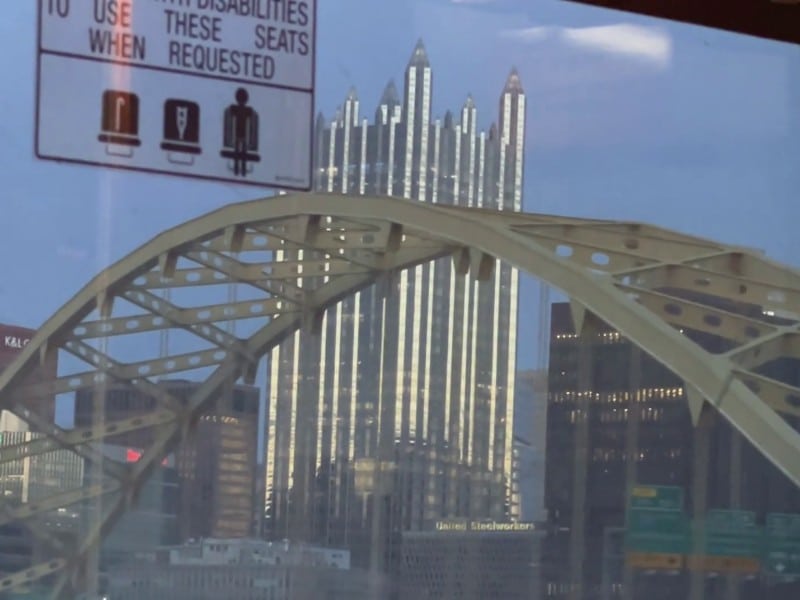
“Limerent Pittsburgh” intricately constructs a folkloric affection of place
Artist Anne Ciecko’s 2025 videopoem is a highlight among the 30 selections of this year’s Midwest Video Poetry Fest at ALL on April 4.
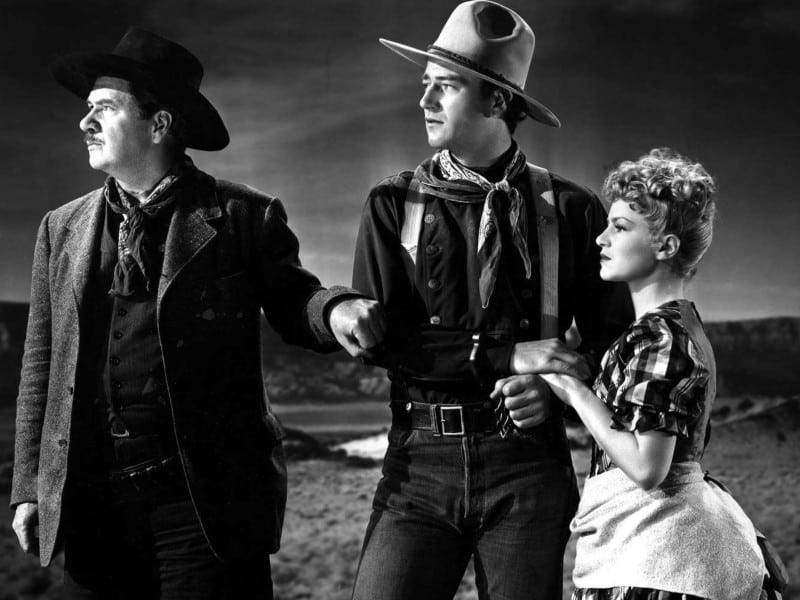
Lea Jacobs sheds new light on an old master in “John Ford At Work”
The UW Professor Emeritus’ new book on the storied American director coincides with a five-film UW Cinematheque series this spring.
Inspiriting radical communal aspirations: an interview with Ben Balcom on “The Phalanx”
The Milwaukee filmmaker’s latest experimental short premieres locally at the Chazen Museum during the 2026 Wisconsin Film Festival on April 12.