
“Dancing In The Dust” pits man against nature in more ways than one
Iranian director Asghar Farhadi’s dramatic 2003 debut feature screens in a new DCP restoration at UW Cinematheque on December 8.

Iranian director Asghar Farhadi’s dramatic 2003 debut feature screens in a new DCP restoration at UW Cinematheque on December 8.
Asghar Farhadi may not be a household name per se, but if you’re a fan of international cinema there’s a good chance you’ve heard of his work. The Iranian director has twice won the Academy Award for Best Foreign Language Film—in 2011 for A Separation and in 2017 for The Salesman. His English language debut, Everybody Knows, boasted real-life celebrity couple Penelope Cruz and Javier Bardem as its stars. And he risked the ire of no less than Donald Trump during the oafish wannabe-fascist’s Presidency, boycotting the 2017 Oscars over his controversial “Muslim ban.” Despite this distinguished 20-year career, Farhadi’s earlier films have been difficult to come by. Luckily, UW Cinematheque will be screening two of them over two Fridays in December, starting with Film Movement’s newly remastered version of his 2003 debut Dancing In The Dust on Friday, December 8, at 7 p.m.
Even if you’re not a student of cinema, it can be instructive to watch a renowned filmmaker’s early work. Dancing In The Dust, which never received a proper theatrical release in the U.S., isn’t as polished as Farhadi’s more recent efforts, as it lacks the densely elegant plotting of his aforementioned masterpiece, A Separation. But it shows a compositional command and depth of feeling that’s unique to his oeuvre. Like many of his films, its heart concerns a marriage, at least elliptically—the courtship of the young Nazar (Yousef Khodaparast) and Rayhaneh (Baran Kosari) lasts only as long as the opening credits. Nazar is soon pressured to divorce Rayhaneh, on account of her mother’s rumored sex work, despite the fact that they still love one another. Unable to pay the dowry and on the run from creditors, he winds up in the desert, at the mercy of a taciturn rattlesnake hunter (Faramarz Gharibian).
This is unfamiliar terrain for Farhadi, who works almost exclusively within the confines of the domestic sphere, trapping his ensembles in close quarters to see how they react. Here the vast landscape threatens to devour the two men alive—that is, if they don’t kill each other first. But while the focus is narrower, the film demonstrates the origins of his interest in characters who aren’t moral—at least in the strict black-and-white sense—but honorable, in that they adhere to an internal code of conduct. That Farhadi was the subject of a 2022 plagiarism lawsuit in his native country adds a fascinating wrinkle to this preoccupation. How do you live by your principles in a world that’s constantly forcing you to bend or break them? It’s a question he started asking in Dancing In The Dust. He hasn’t yet answered it.
We can publish more
“only on Tone Madison” stories —
but only with your support.
Author

Related Articles
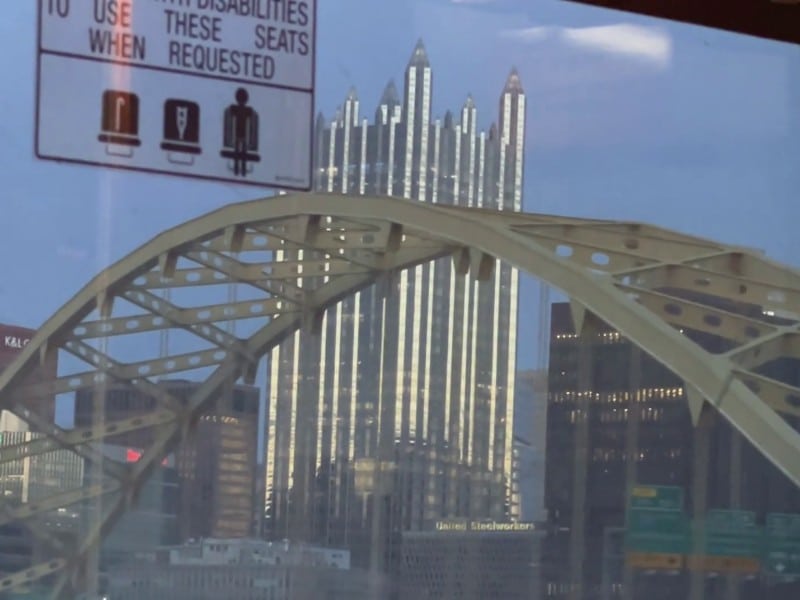
“Limerent Pittsburgh” intricately constructs a folkloric affection of place
Artist Anne Ciecko’s 2025 videopoem is a highlight among the 30 selections of this year’s Midwest Video Poetry Fest at ALL on April 4.
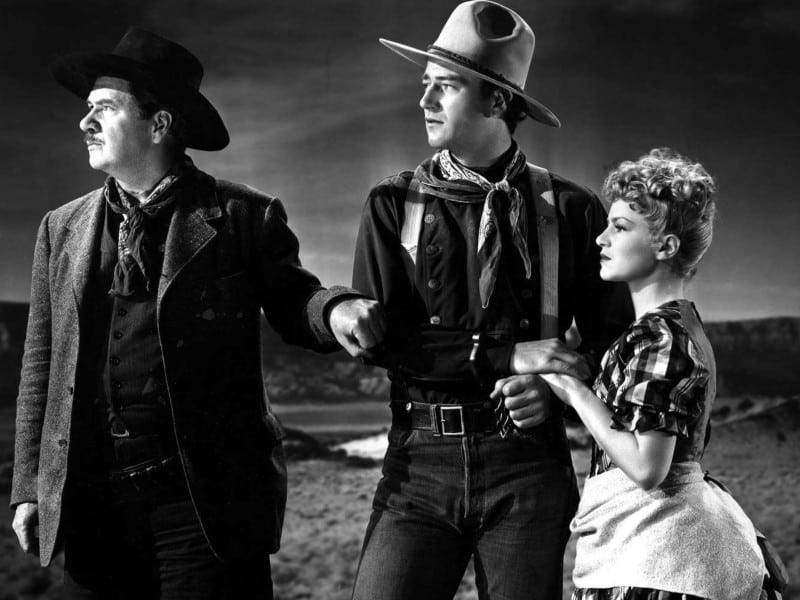
Lea Jacobs sheds new light on an old master in “John Ford At Work”
The UW Professor Emeritus’ new book on the storied American director coincides with a five-film UW Cinematheque series this spring.
Inspiriting radical communal aspirations: an interview with Ben Balcom on “The Phalanx”
The Milwaukee filmmaker’s latest experimental short premieres locally at the Chazen Museum during the 2026 Wisconsin Film Festival on April 12.